
Таїланд 2013: поїхати далі — справа пів годиниThailand 2013: half an hour to decide where next
Прилітаємо до Бангкока пізно. Гуляємо нічним містом: підсвічені палаци, тайські дахи, вулиці з їжею. Перший вечір у країні, і знайомство одразу переходить у практичну площину.We land in Bangkok late. We walk through the city at night: illuminated palaces, Thai rooftops, streets full of food stalls. Our first evening in the country, and the introductions turn practical straight away.
Я їм свинячий шлунок.I'm eating pig's stomach.
Ось ми тут, навколо продають багато незвичного, і я пробую. Для мене це дивна їжа, справжній кулінарний експеримент. Нічні палаци теж красиві, просто шлунок свині запам’ятовується якось окремо.Here we are, surrounded by unfamiliar things to eat, and I'm trying them. This is strange food to me, a proper culinary experiment. The palaces look beautiful at night too. It's just that pig's stomach gets a memory all of its own.
Бангкок: суп, кошик і золоті куточкиBangkok: soup, a basket and golden corners
Удень експерименти продовжуються, але вже в значно спокійнішому жанрі. Заходимо в простий ресторанчик, де їдять місцеві. Супи смачні, ціни — за три копійки. Здається, один із супів був курячий. Нічого складного, а їси й дивуєшся: як це може бути настільки смачно й настільки дешево?The experiments continue in daylight, though in a much calmer vein. We stop at a simple little restaurant where the locals eat. The soups are delicious and cost next to nothing. I think one of them was chicken. Nothing elaborate, but as I eat I keep wondering how something can be this good and this cheap.
Після нічного свинячого шлунка звичайний суп теж має право на успіх. Екзотика екзотикою, а добре поїсти ніхто не скасовував.After pig's stomach at night, an ordinary soup deserves its moment too. Trying exotic food is all very well, but there's still something to be said for a good meal.
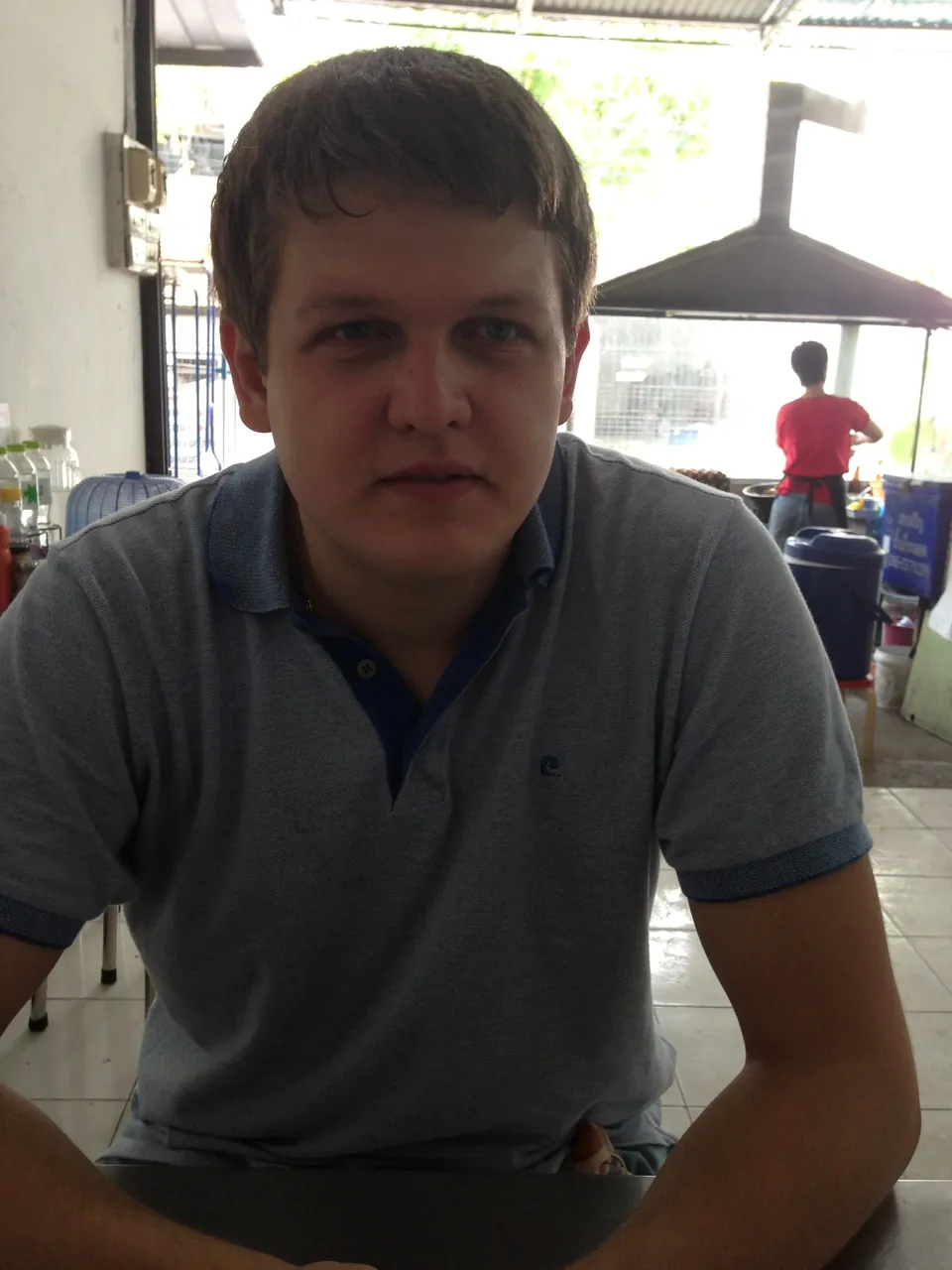
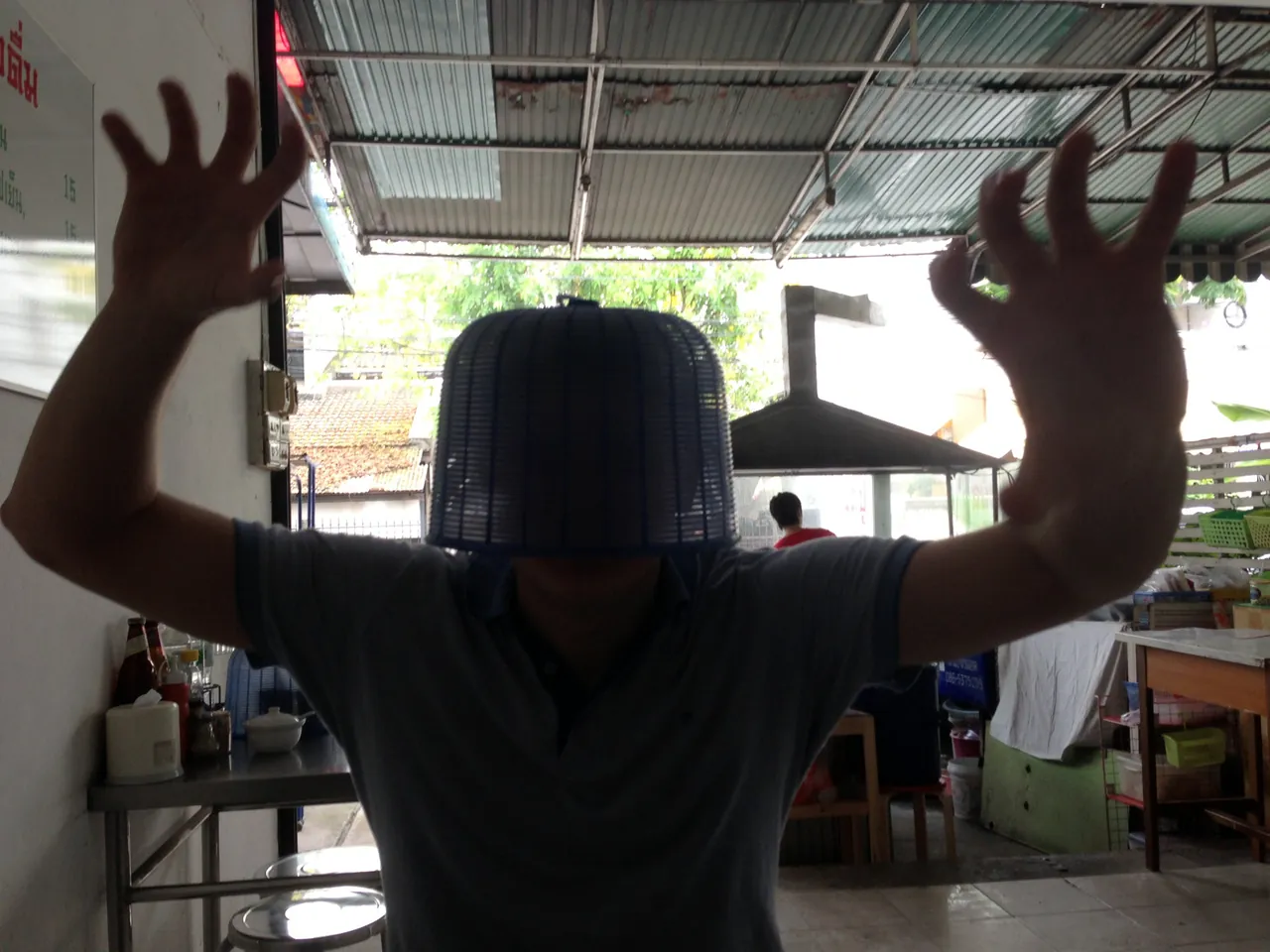
Фотографуємося за столом. На одному кадрі я просто сиджу, на іншому — з кошиком на голові й розставленими руками. Портрет туриста, який підійшов до знайомства з місцевою кухнею творчо. Обличчя майже не видно, зате характер кадру зрозумілий.We take photos at the table. In one I'm simply sitting there; in another I have a basket on my head and my arms spread wide. A portrait of a tourist taking a creative approach to the local cuisine. You can barely see my face, but you get the idea.
Гуляємо й вулицями, де живуть місцеві. Бангкок там зовсім інший: прості будинки, бідні квартали. Контраст із підсвіченими палацами великий. Красиві фасади нікуди не зникають, але за ними є ще й повсякденне життя міста, зовсім не таке блискуче.We also walk through the streets where local people live. Bangkok is quite different there: simple houses, poor neighbourhoods. The contrast with the illuminated palaces is striking. The beautiful facades are still there, but behind them is the city's everyday life, which has rather less sparkle.
Їздимо подивитися на храми зблизька. Бордові дахи, золоті куточки — та сама тайська архітектура, яку тепер можна роздивитися не лише в нічній підсвітці. Назви храмів у мене тримаються гірше, ніж ці кольори й форми. Зате бордове із золотим після Бангкока вже важко з чимось переплутати.We go to see some temples up close. Burgundy roofs, golden corners: that same Thai architecture, now without the night lighting. The temple names don't stay with me as well as those colours and shapes. After Bangkok, though, burgundy and gold are hard to mistake for anything else.
До Паттаї місцевим автобусомTo Pattaya by local bus
Далі сідаємо на місцевий автобус і їдемо до Паттаї. Уже самі ці переїзди для мене — частина подорожі. Не тільки приїхати до чергової пам’ятки, а й розібратися, як тут усе рухається.Next we catch a local bus to Pattaya. These journeys are part of the trip for me in their own right. It's not just about arriving at the next sight; it's also about working out how things move around here.
У Паттаї гуляємо містом, виходимо до пляжу. Над містом видно великий напис із його назвою. Сам берег запам’ятався мені грубим, кам’янистим, ніби зі щебеню. Не той пляж, який першим намалюєш собі, почувши про тропіки.In Pattaya we walk around the city and head to the beach. A huge sign spelling out the city's name is visible above it. I remember the shore as rough and stony, almost like gravel. Not the beach that first comes to mind when someone mentions the tropics.
Міський транспорт теж незвичний. Невеликі пікапи, позаду лавочки, люди застрибують, досідають — і їдуть. Дивлюся, як це працює, звикаю до місцевого способу пересуватися. Автобус привіз у місто, а тут уже своя система.The city transport is unfamiliar too. Little pickup trucks with benches at the back; people hop on, find a seat and off they go. I watch how it works and get used to the local way of getting around. The bus brought us here, but the city has a system of its own.
Увечері йдемо на Alcazar.That evening we go to Alcazar.
Alcazar: мінімалізму дали вихіднийAlcazar: minimalism gets the night off
Кабаре виявляється дуже красивим. Яскраві костюми, музика, танці, велика сцена — усе зроблено з розмахом. Тут не намагаються бути непомітними, та й навіщо. Якщо вже виходити на сцену, то щоб костюм теж узяв участь у виставі.The cabaret turns out to be beautiful. Bright costumes, music, dancing, a big stage: everything is done on a grand scale. Nobody is trying to go unnoticed, and why would they? If you're going on stage, your costume might as well join in the performance.
Для мене у 2013-му це ще й незвичне знайомство з трансгендерним кабаре. Сам формат додає цікавості, але найбільше подобається саме шоу: постановка, виступи, кольори. Перформанс справді крутий. Після вистави ще фотографуємося з артистами.For me in 2013, this is also an unfamiliar introduction to transgender cabaret. The format adds to the interest, but what I enjoy most is the show itself: the production, the performances, the colours. It really is a great performance. Afterwards we take photos with the performers too.

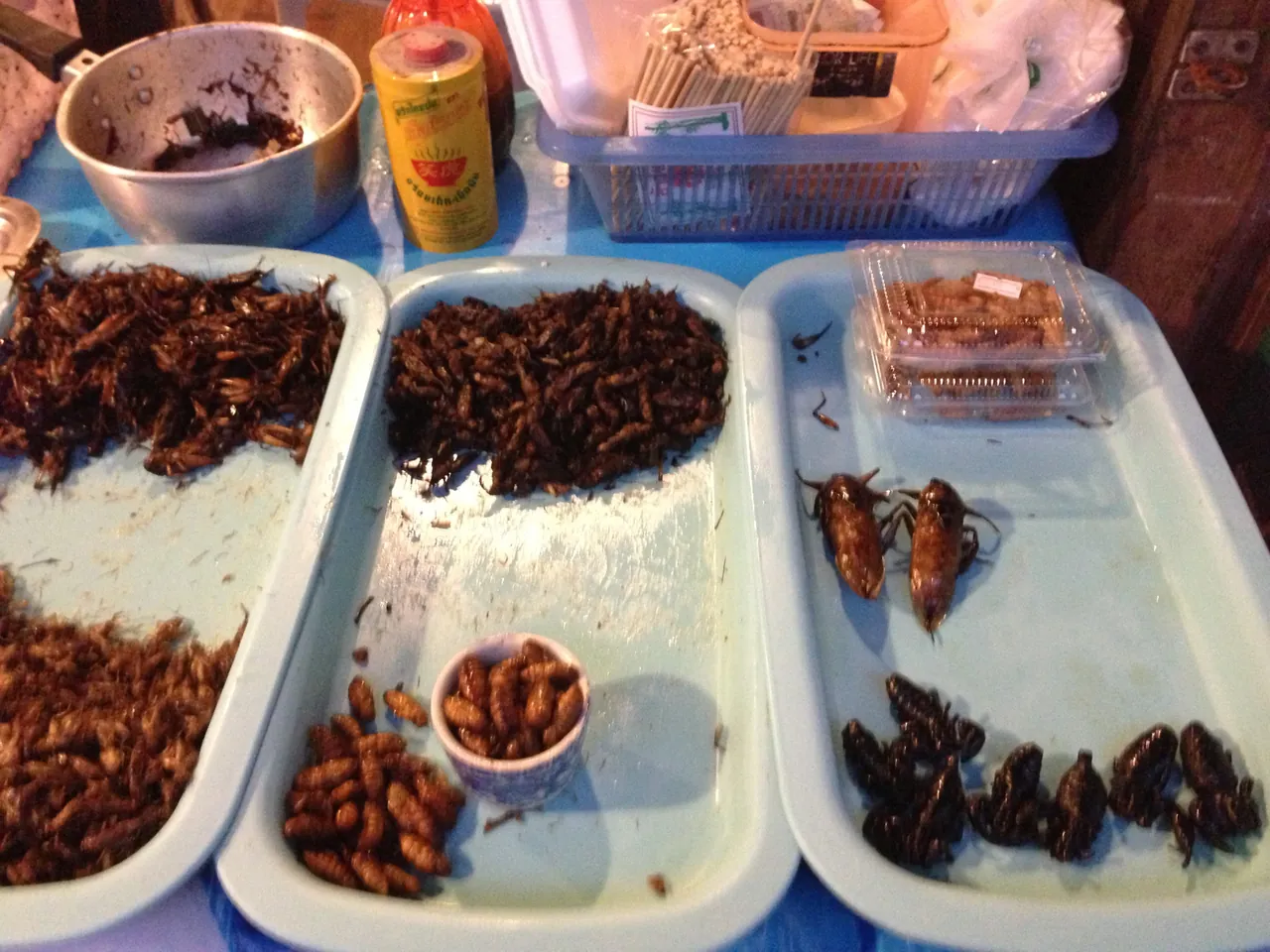
А потім ідемо на місцевий ринок і продовжуємо знайомитися з Таїландом уже без сцени. На прилавках — комахи, які тут продаються як їжа. Пробуємо потроху: по одному, по два шматочки. До повноцінної вечері з жуків я поки не переходжу, але дегустація відбулася.Then we head to a local market and continue getting to know Thailand, this time without a stage. The stalls have insects for sale as food. We try a little: one or two pieces at a time. I'm not moving on to a full dinner of bugs just yet, but I've tried them.
Після свинячого шлунка маршрут розвивається досить послідовно.After the pig's stomach, this is a fairly logical next step.
17 квітня: ринок, яким можна плисти17 April: a market you can float through
Наступного дня їдемо на плавучий ринок Паттаї. Тут незвичне вже не тільки те, що продають, а й сам спосіб гуляти між крамницями.The next day we go to Pattaya Floating Market. Here it's not only the things for sale that are unusual, but the way you move between the shops.
Сідаємо в човен і пливемо між дерев’яними будиночками. Зазвичай ринок — це коли йдеш від одного прилавка до іншого. А тут між ними вода. Для мене така прогулянка вперше: роздивляєшся будинки, крамниці, човни, і все це з самого каналу.We get into a boat and float between the wooden buildings. Usually a market means walking from one stall to the next. Here there's water between them. This is a first for me: looking at the buildings, shops and boats from the canal itself.
Ще тут є зіплайн. Катаємося й на ньому. Виходить, просто пройтися ринком уже недостатньо: ми встигли ним і проплисти, і пролетіти.There's a zipline here too. We give that a go as well. Apparently, simply walking around the market is no longer enough: we've managed to float through it and fly over it.
З їжею теж усе в нашому дусі. Є кокос із соломинкою, а є прилавок зі смаженими комахами. Їх знову пробуємо. Учора був ринок після шоу, сьогодні — плавучий. Це вже не випадкова зустріч із незвичним меню, а продовження знайомства.The food is very much in keeping with our trip. There's a coconut with a straw, and there's a stall selling fried insects. We try those again. Yesterday it was the market after the show; today it's the floating one. This is no longer a chance encounter with an unfamiliar menu. We're getting better acquainted.
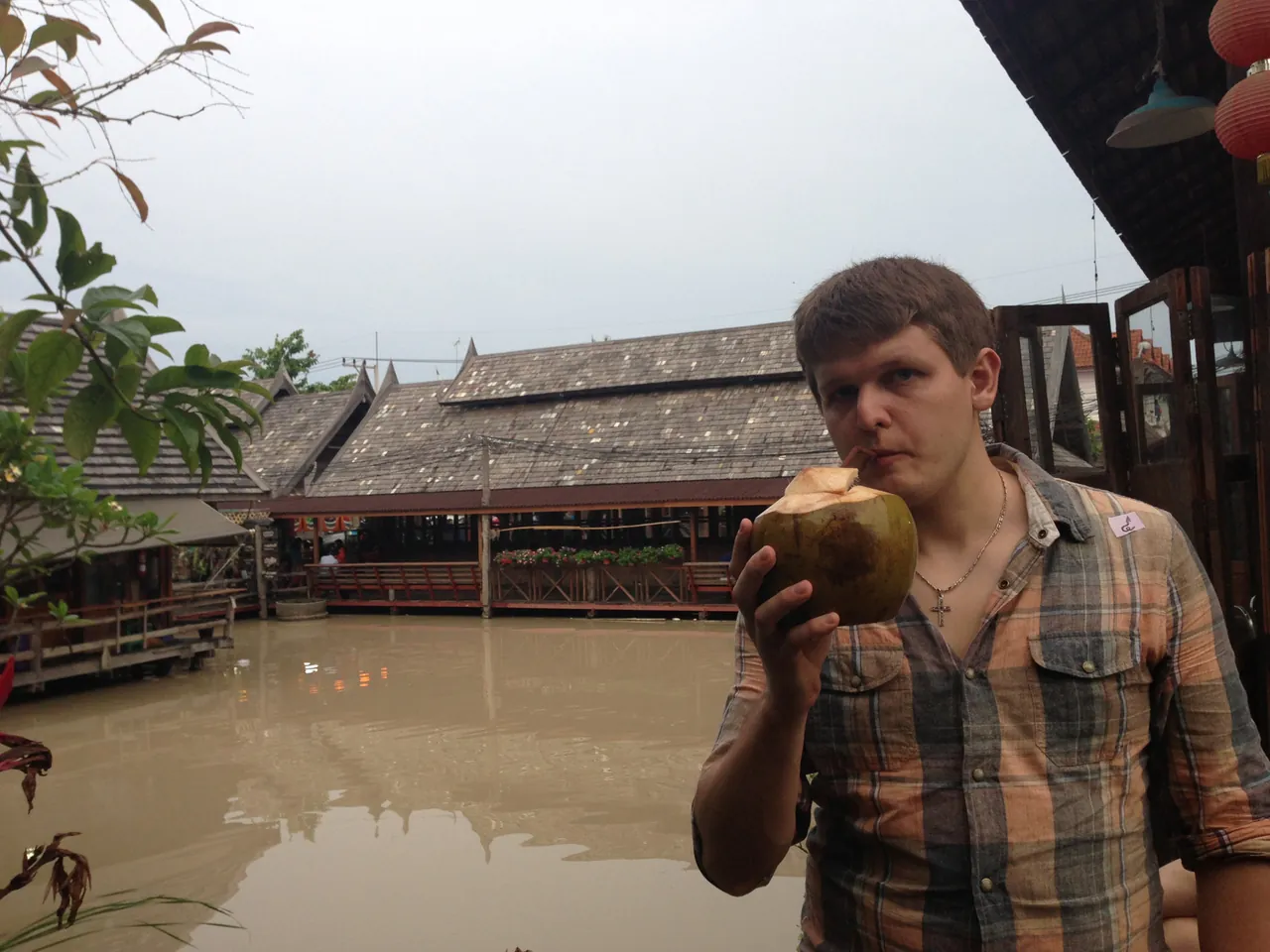
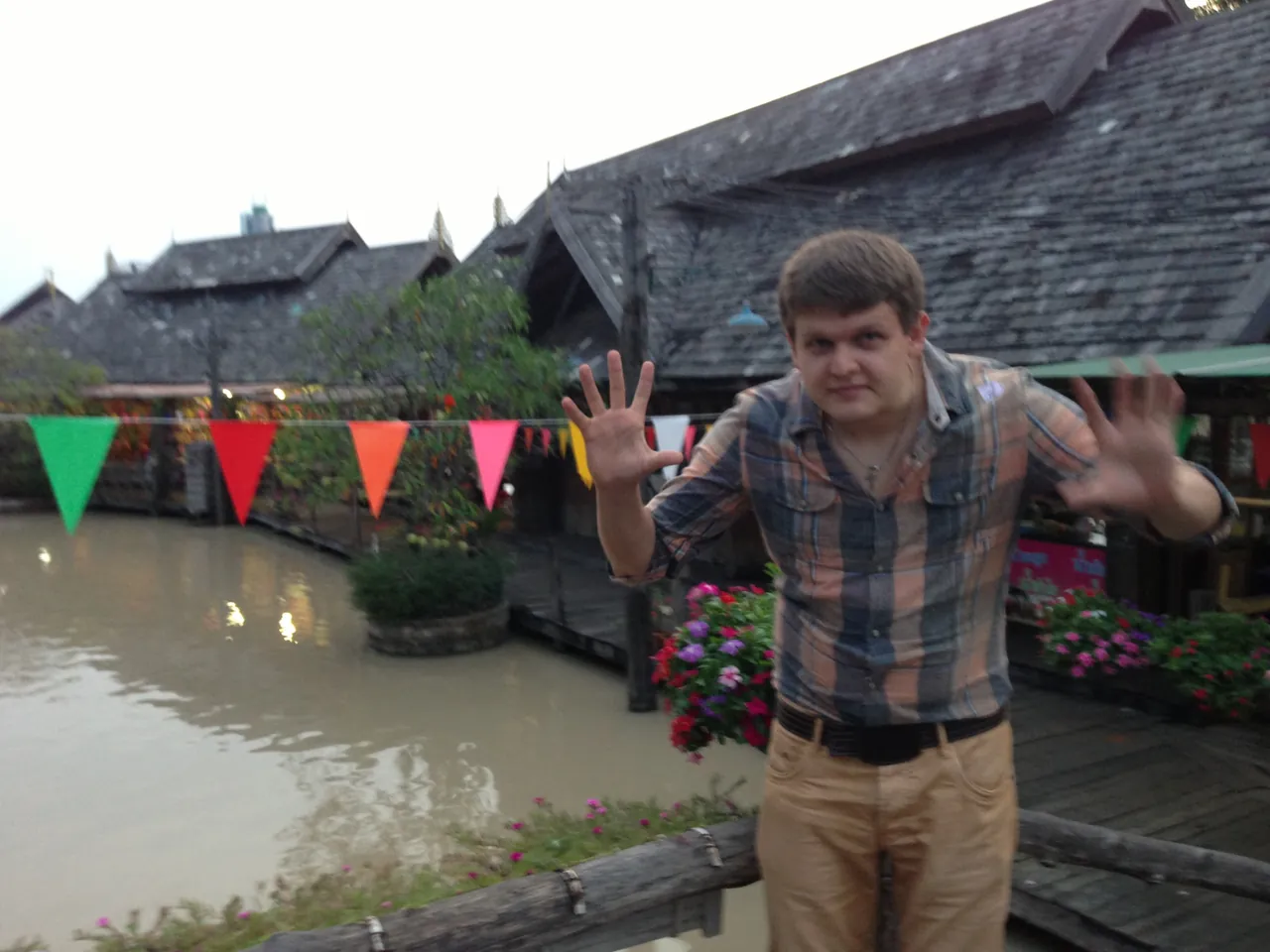
Фотографуємося біля води. На одному кадрі я з кокосом, на іншому розставив руки, а потім уже зображаю щось драконяче на тлі вечірнього неба. Після кошика на голові в Бангкоку звичайно стояти перед камерою, мабуть, було б непослідовно.We take photos by the water. In one I'm holding a coconut, in another I've spread my arms, and then I'm doing something dragon-like against the evening sky. After the basket on my head in Bangkok, simply standing in front of the camera would probably be inconsistent.
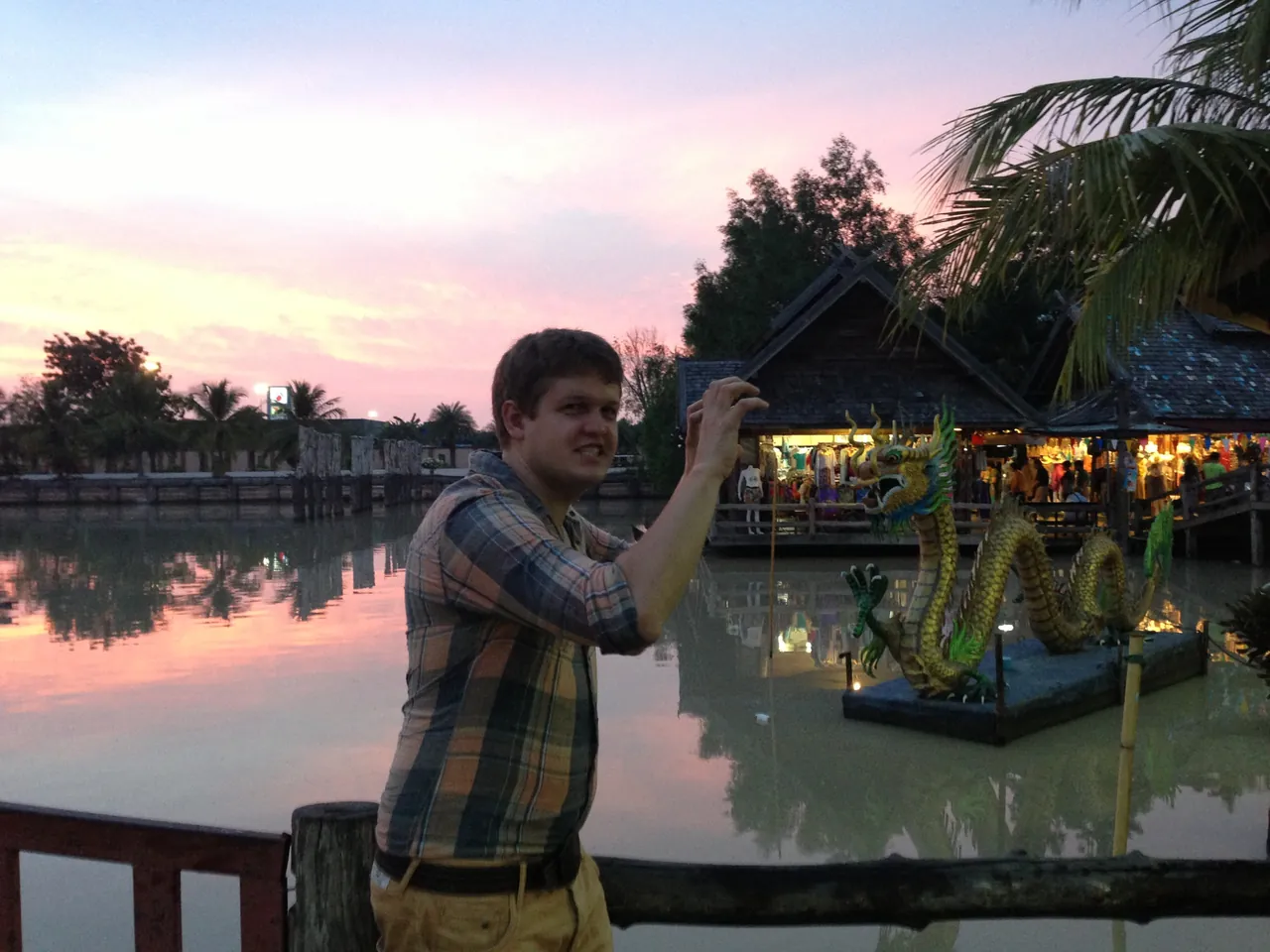
До вечора над каналами рожевіє небо, у крамницях засвічуються вогні. Ринок стає зовсім іншим, хоча вода й дерев’яні будинки ті самі. Залишаємо собі ще кілька кадрів цього вечора.By evening the sky over the canals turns pink and the shops light up. The market looks quite different, though the water and wooden buildings haven't changed. We keep a few more photos of that evening.
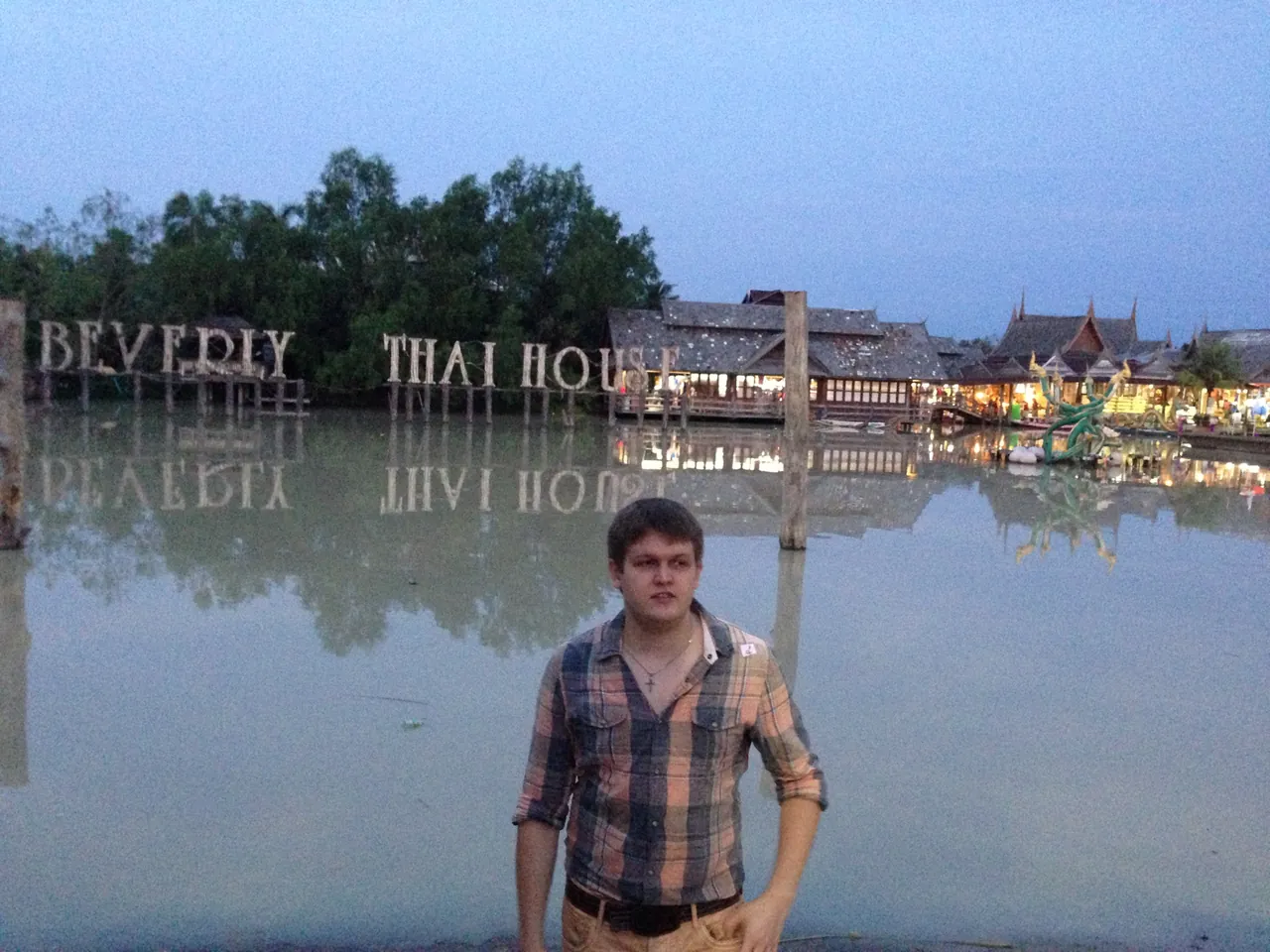
18 квітня: близько до тварин, але не впритул18 April: close to the animals, but not too close
Наступного дня їдемо до Khao Kheow Open Zoo біля Сірачи. Для мене це перший досвід такого відкритого зоопарку.The next day we visit Khao Kheow Open Zoo near Si Racha. It's my first experience of this kind of open zoo.
Найбільше вражає відчуття простору. Не звичний ряд кліток, повз який проходиш, а зелень, водойми, великі ділянки для тварин. Вони рухаються зовсім поруч із тобою — принаймні так це відчувається. Наче гуляєш ближче до їхнього життя, а не просто дивишся на них через прути.What strikes me most is the sense of space. Instead of the familiar row of cages to walk past, there is greenery, water and large areas for the animals. They move around right near you, or at least that's how it feels. As though you're walking closer to their lives rather than simply looking through bars.
При цьому близько не означає без меж. У різних тварин свої вольєри й огорожі, дистанція нікуди не зникає. Мені якраз подобається це поєднання: ніби занурюєшся в їхній світ, але лишаєшся на своєму боці.Being close doesn't mean there are no boundaries. Different animals have their own enclosures and barriers; the distance hasn't disappeared. That's exactly the combination I like: you feel drawn into their world while still staying on your side.
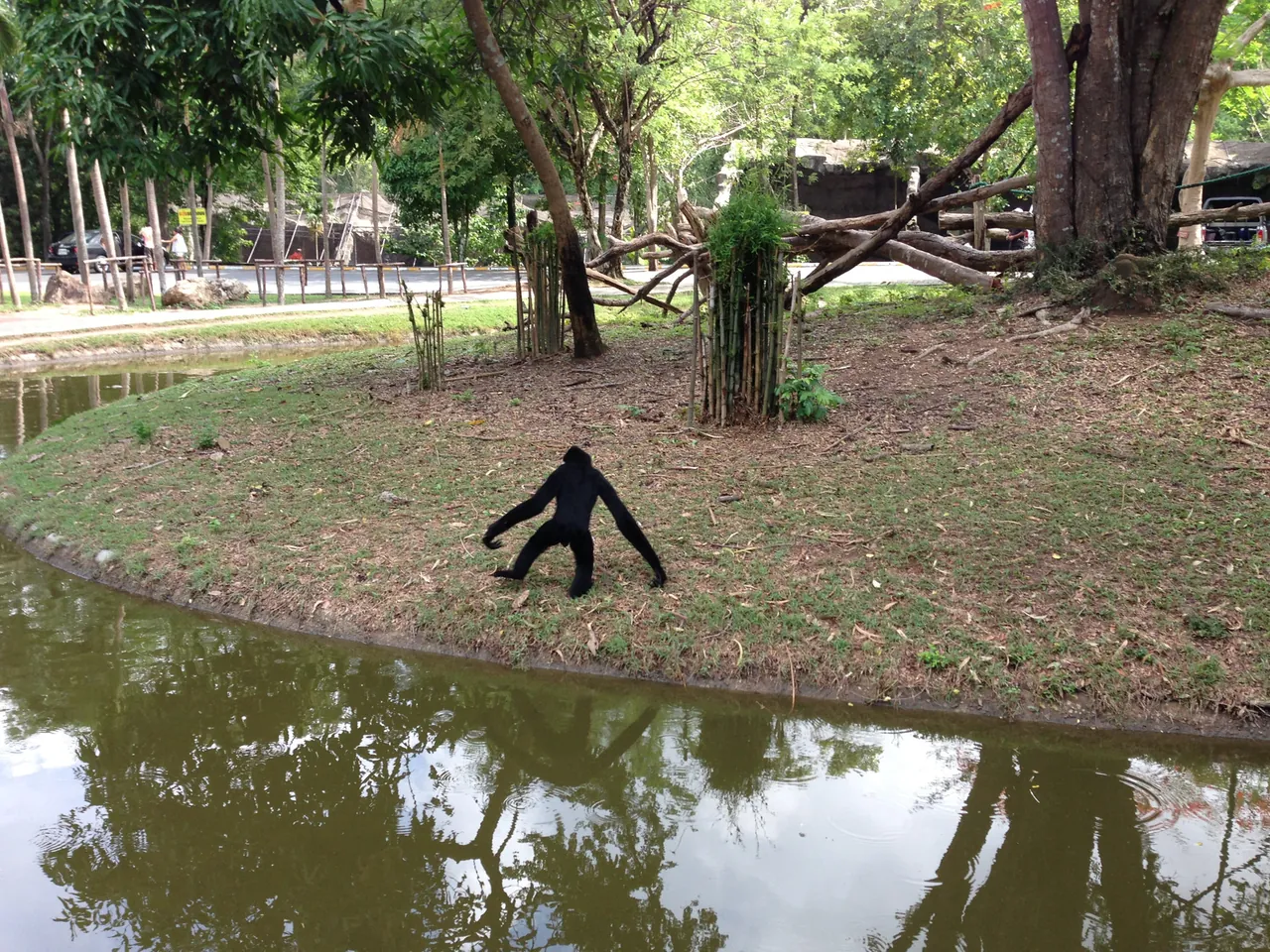
На одному фото мавпа біжить біля води, широко розставивши довгі руки. Дуже характерний кадр. Далі роздивляємося великих котячих: один проходить під деревами, інший, плямистий, стоїть у своєму вольєрі. Вони близько, їх добре видно — і цього вже достатньо для враження. Перевіряти, наскільки близько можна підійти ще, зовсім не обов’язково.In one photo, a primate is running beside the water with its long arms spread wide. It's quite a characterful shot. Further on we look at the big cats: one walks beneath the trees; another, spotted, stands in its enclosure. They're close, and we can see them well. That's quite enough to make an impression. There's no particular need to test how much closer we could get.
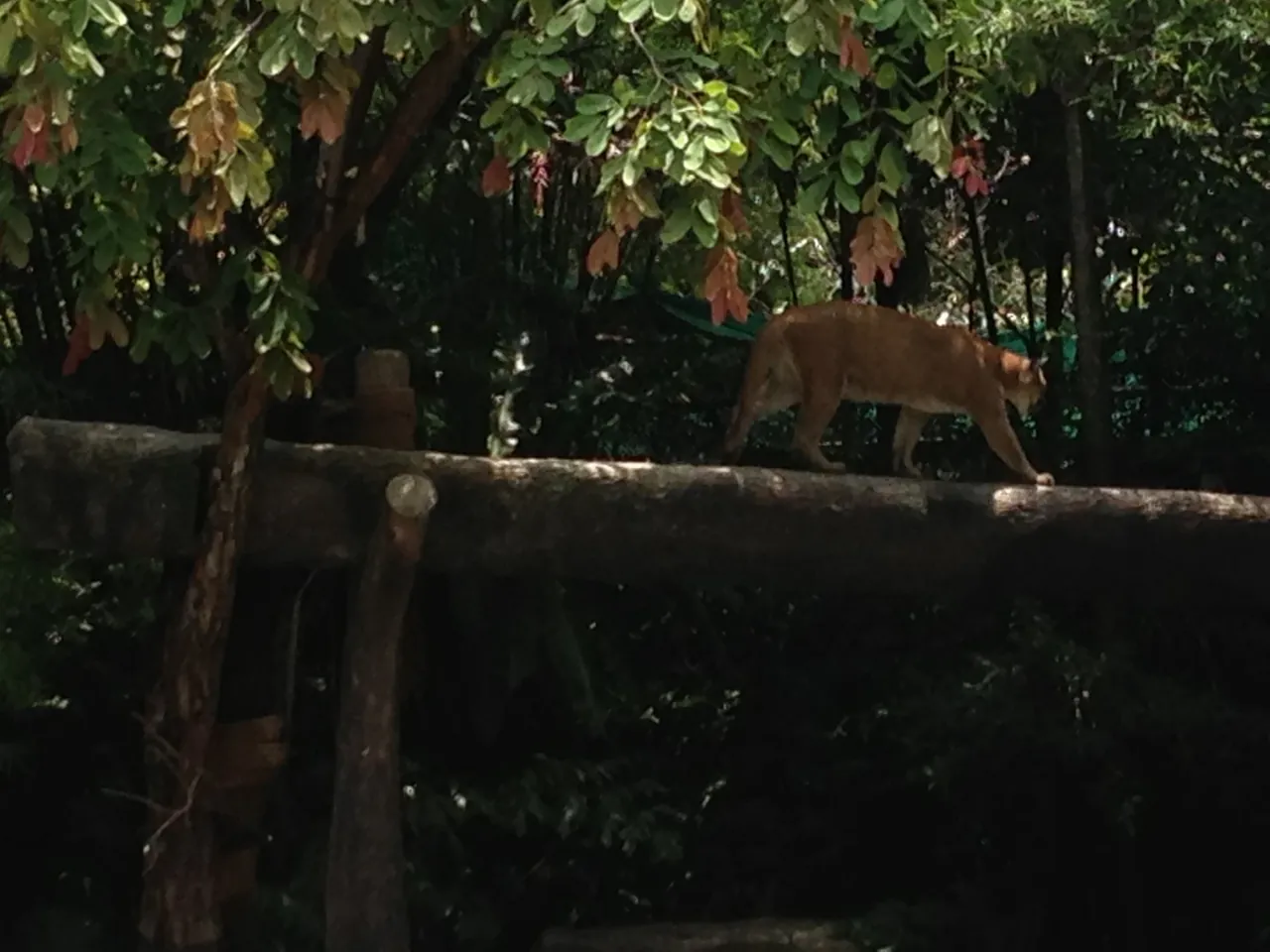
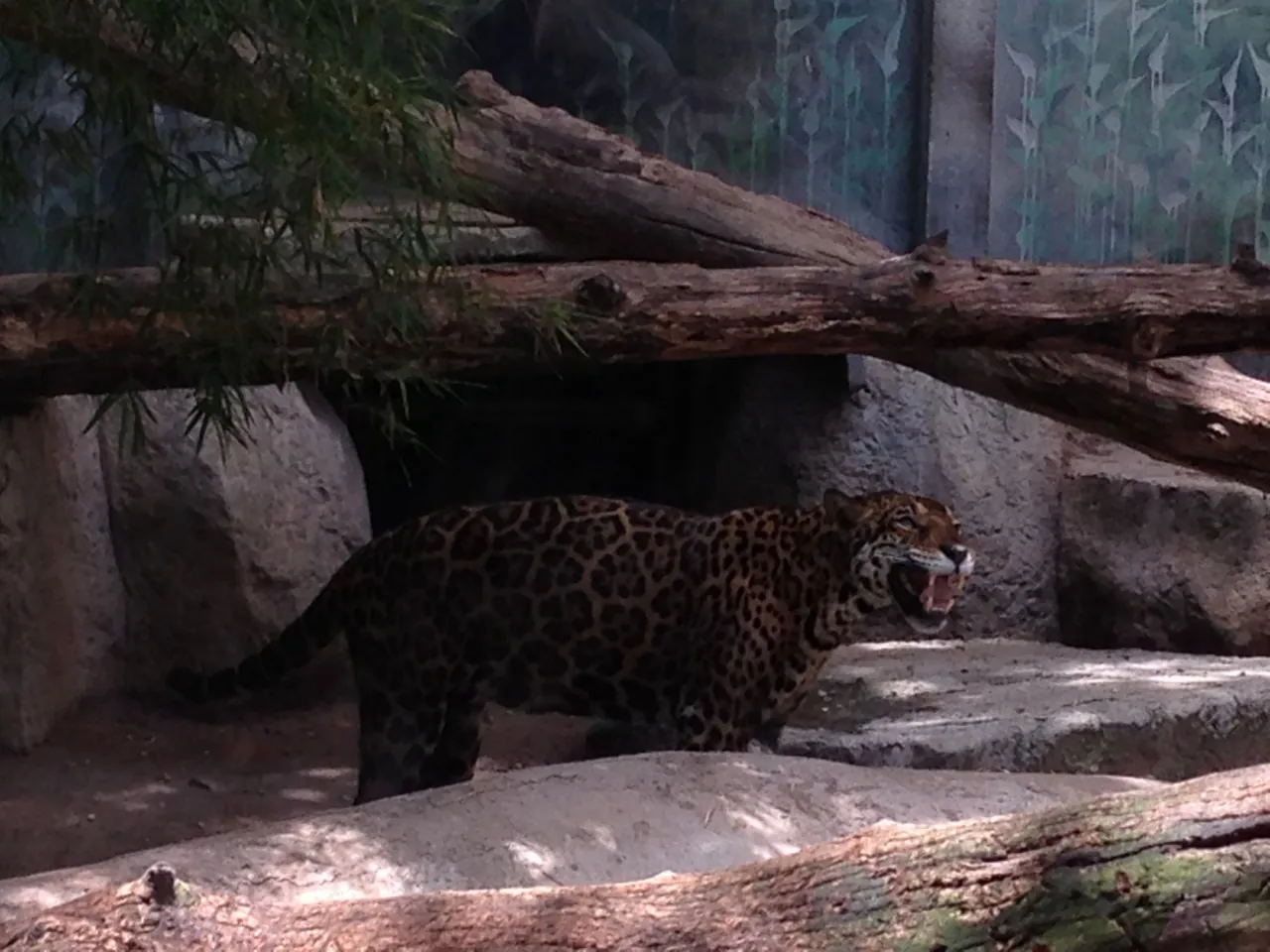
Зоопарк виявився не просто черговою зупинкою. Для мене це новий спосіб побачити тварин: більше простору навколо них, менше відчуття, що дивишся на ряд живих експонатів.The zoo turns out to be more than another stop. For me it's a new way of seeing animals: more space around them, less of a feeling that I'm looking at a row of living exhibits.
Ко-Чанг: автобус уміє їхати, а я ще ніKoh Chang: the bus knows how to drive; I don't yet
Потім рухаємося в бік Ко-Чангу. З дороги найбільше запам’ятався автобус. Звичайний, нормальний автобус — і саме це мене чомусь дивує. У голові вже є якісь уявлення про Азію, а тут люди просто користуються нормальним транспортом. Схоже, уточнення потребує не автобус, а мої очікування.Then we head towards Koh Chang. What I remember most about the journey is the bus. A perfectly ordinary, decent bus, and for some reason that's what surprises me. I already have certain ideas about Asia in my head, while here people are simply using normal public transport. It seems it's my expectations that need adjusting, not the bus.
На острові вирішую вперше спробувати скутер. Раніше я на ньому не їздив. Приходимо до прокату, мені показують, як сісти, що крутити, як рушати. На вигляд усе нескладно.On the island I decide to try a scooter for the first time. I've never ridden one before. We go to the rental place, and they show me how to sit, what to twist and how to set off. It looks straightforward enough.
Кручу газ.I twist the throttle.
Скутер рветься з-під мене. Падіння — і перше знайомство закінчується розбитими колінами, подряпаними ногами та рукою. Теоретичну частину я пройшов швидше, ніж практичну. Практична одразу заперечила.The scooter shoots out from under me. I fall, and my first encounter ends with battered knees and scrapes on my legs and arm. I got through the theory faster than the practical part. The practical part objected immediately.
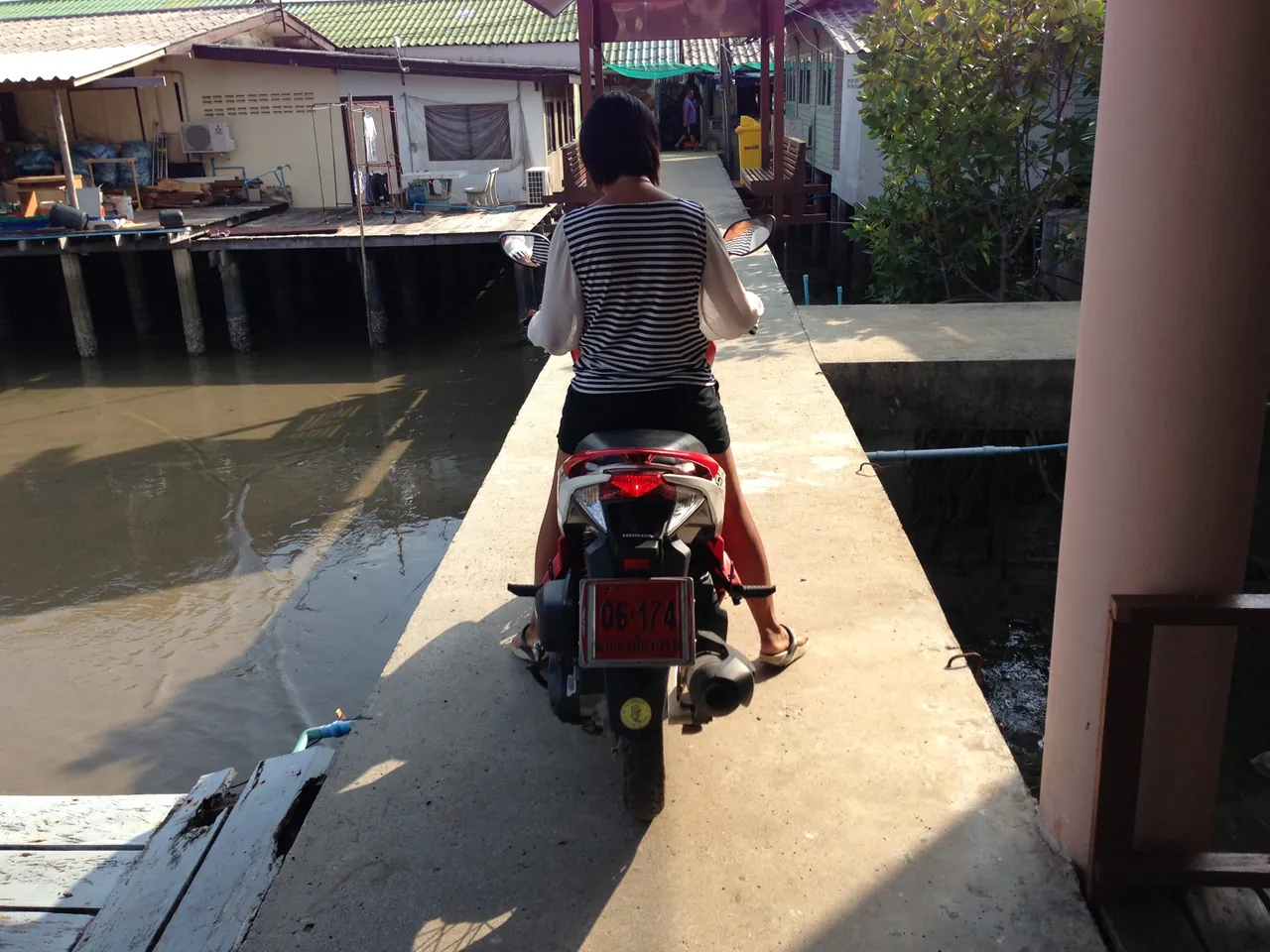
Господиня прокату садить мене до себе на скутер і везе до медпункту. Спочатку їдемо звичайною дорогою. Потім виїжджаємо до води — і тут починається частина, до якої моє знайомство з мототранспортом мене точно не підготувало.The woman who runs the rental place takes me on her scooter to a clinic. At first we ride along a normal road. Then we reach the water, and the next part is something my introduction to motor transport has definitely not prepared me for.
Будиночки стоять над водою на палях. Між ними вузькі бетонні доріжки, десь півтора метра завширшки. Без огорож. Повороти під прямим кутом. Господиня спокійно їде цими доріжками: в один бік, в інший, між будинками — усе чітко.The houses stand on stilts over the water. Narrow concrete walkways run between them, about a metre and a half wide. No railings. Right-angle turns. The woman calmly rides along these paths: one way, then the other, between the buildings, all perfectly under control.
Я щойно не впорався зі скутером на звичайному місці. А вона їде над водою, повертає на дев’яносто градусів і взагалі не робить із цього події.I've just failed to manage a scooter on ordinary ground. She's riding above the water, making ninety-degree turns and treating it as nothing out of the ordinary.
Для мене вона в цей момент просто богиня водіння. Дивлюся на ці повороти й розумію, що до такого рівня мені ще далеко. Особливо з урахуванням того, як щойно почалося моє навчання.At this point, to me, she's a goddess of scooter riding. I look at those turns and realise how far I am from that level. Particularly given how my own lessons have just begun.
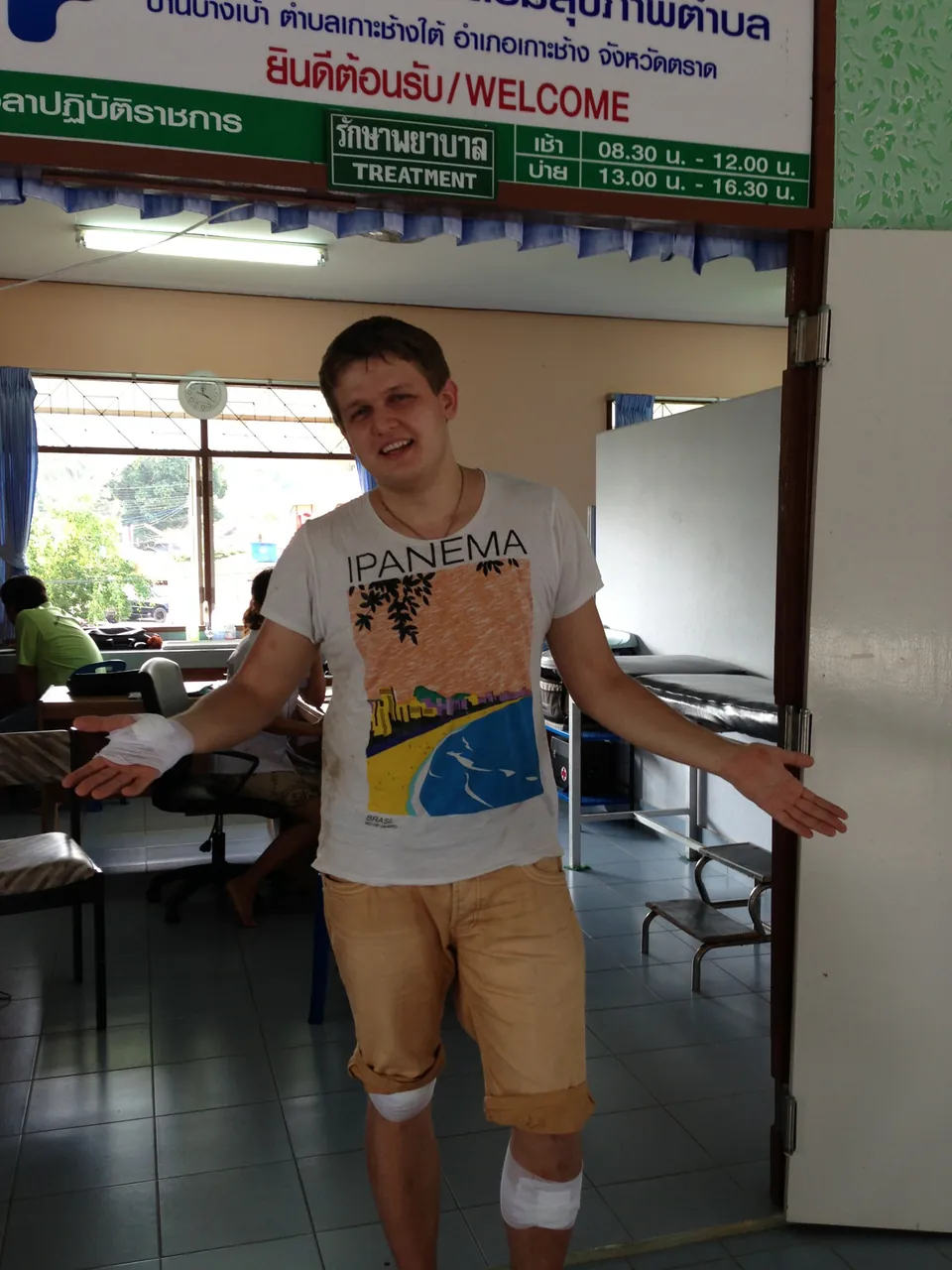
Сам медпункт теж тут, серед будиночків над водою. Мені обробляють садна спиртом, роблять перев’язки. На фотографії стою у футболці Ipanema, розставивши руки. Уже з результатами першої спроби освоїти скутер.The clinic is here too, among the buildings over the water. My grazes are cleaned with alcohol and bandaged. In the photo I'm standing in an Ipanema T-shirt with my arms spread out. Already wearing the results of my first attempt to master a scooter.
А потім з’ясовується вартість допомоги. Для мене на той час це відчутні гроші. Я ж приїхав зі своїм українським уявленням про ціни, а воно не дуже допомагає, коли ти вже в іншій країні й тобі потрібен медпункт.Then I find out what the treatment costs. For me at the time, it's a significant amount of money. I've arrived with my Ukrainian idea of prices, which isn't much help when I'm already in another country and need a clinic.
Ось тут страховка перестає бути чимось абстрактним перед подорожжю. Для себе висновок роблю цілком конкретний: краще мати її заздалегідь, ніж з’ясовувати ціну власної необережності вже з бинтами на ногах.This is where insurance stops being an abstract pre-trip consideration. My personal conclusion is quite concrete: better to have it in advance than to discover the price of my own carelessness with my legs already in bandages.
Турбаза, тільки острівнаHoliday cabins, island edition
Живемо на Ко-Чангу в маленькому дерев’яному будиночку. Умови спартанські: ліжко, душ — і, по суті, все. На ґанку гамак. Ціна дуже низька: чи то п’ять, чи сім доларів, точної суми не назву.On Koh Chang we're staying in a little wooden bungalow. The facilities are basic: a bed, a shower and, essentially, that's it. A hammock on the porch. The price is very low: five or seven dollars, perhaps. I can't give an exact figure.
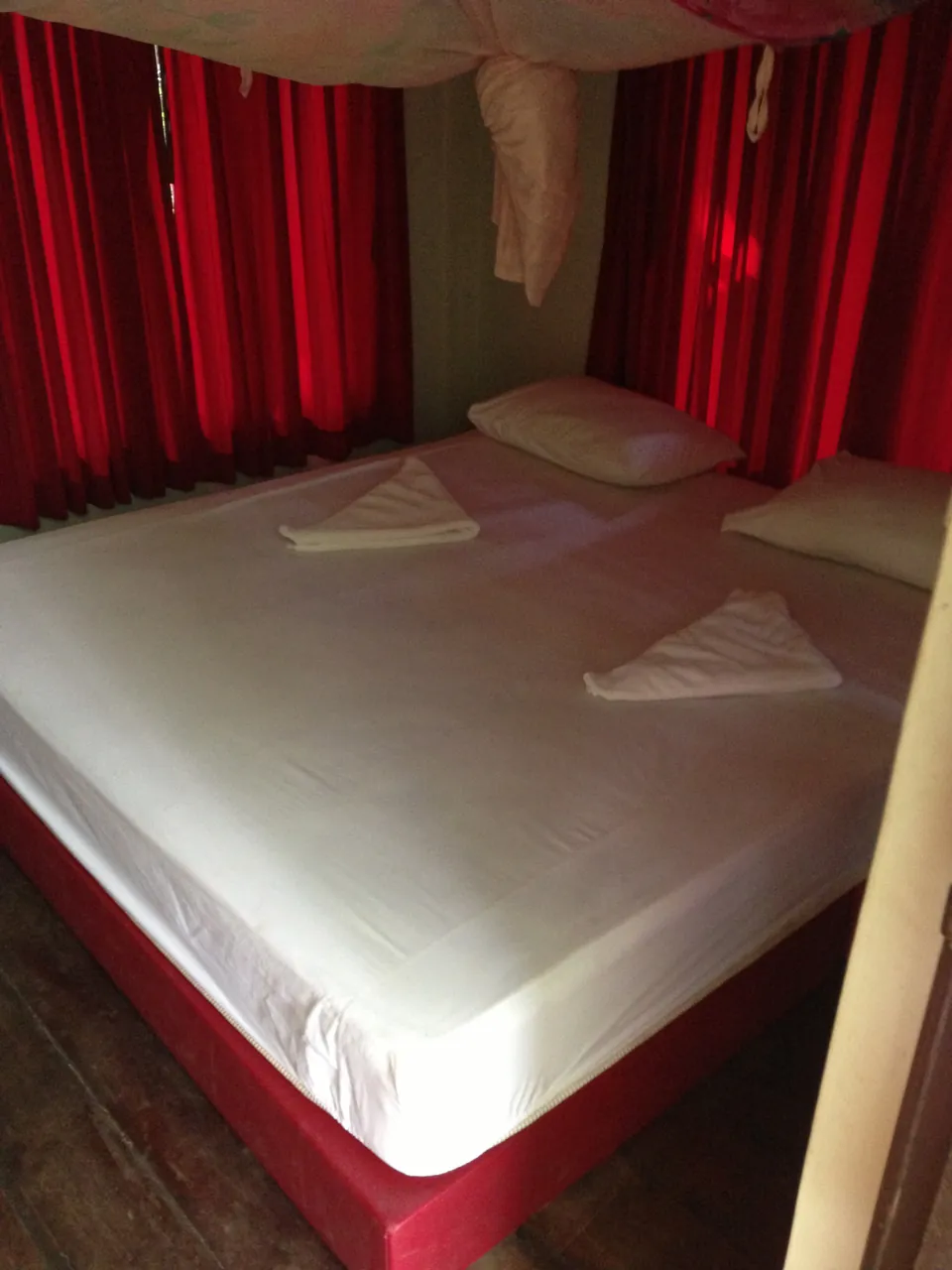
Усе поселення чимось нагадує наші турбази десь в Одеській чи Херсонській області. Такі самі прості будиночки, без зайвої розкоші. Тільки виходиш назовні — і ти в Таїланді, на острові, серед тропічної зелені, недалеко від пляжу.The whole place reminds me a little of the holiday camps back home, somewhere in the Odesa or Kherson region. The same simple cabins, without unnecessary luxury. Except that when you step outside, you're in Thailand, on an island, among tropical greenery and not far from the beach.
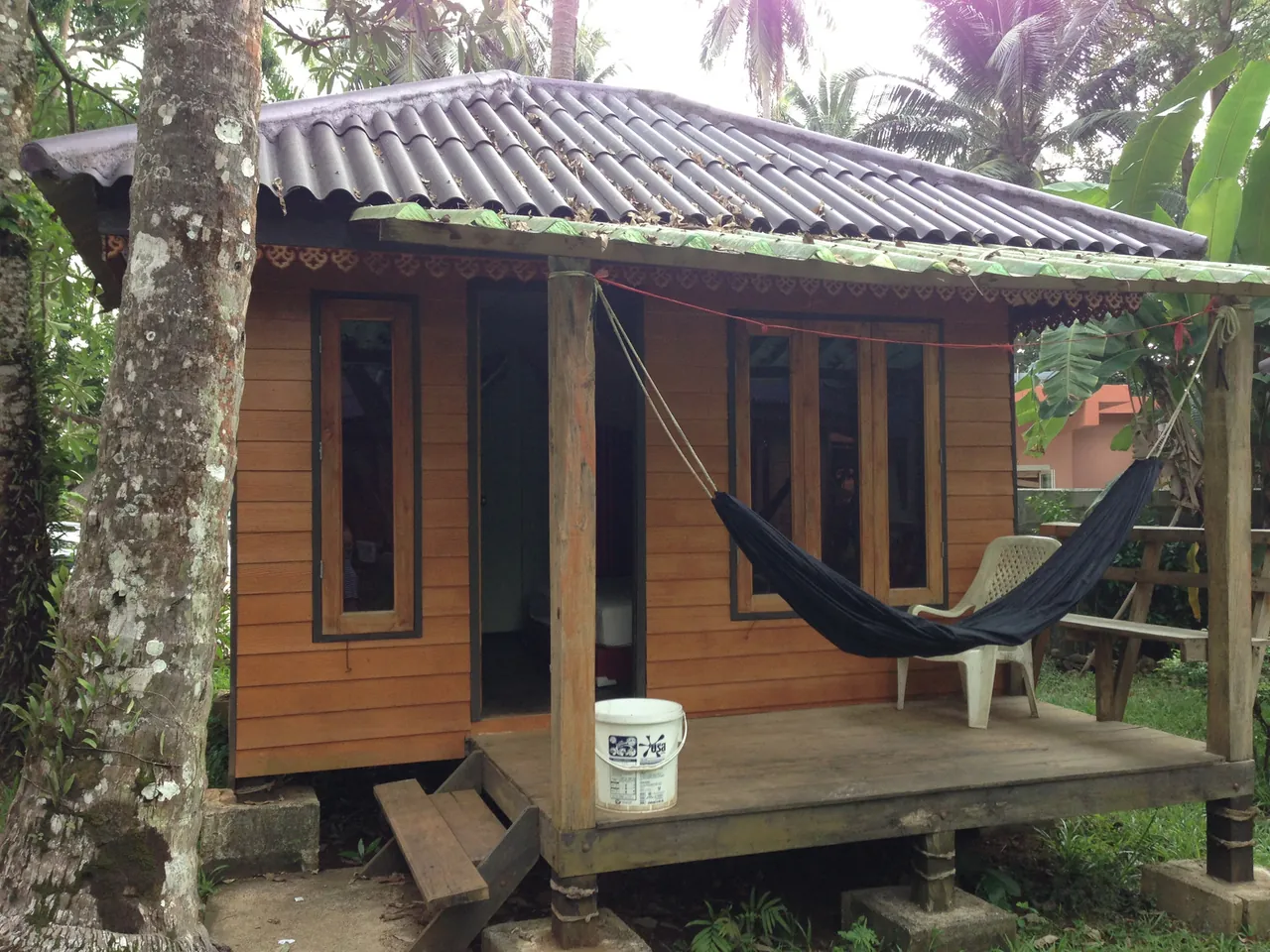
Ось це мені подобається: жити можна за зовсім невеликі гроші, а навколо при цьому море, джунглі й уся ця острівна краса. Сам будиночок не намагається бути головною пам’яткою. У нього є ліжко, душ і гамак, а решту вже забезпечує Ко-Чанг.This is what I like: you can stay somewhere for very little money and still have the sea, jungle and all this island beauty around you. The bungalow isn't trying to be the main attraction. It has a bed, a shower and a hammock. Koh Chang provides the rest.
Поруч пляжне життя: клуби, вечірки, місця, де можна поїсти просто біля моря. Морепродукти, краби, омари, гострі супи. Не треба їхати кудись далеко за окремою ресторанною подією — усе близько. Після дорожніх експериментів приємно освоювати острів і в такому, менш травматичному форматі.Beach life is close by: clubs, parties, places to eat right by the sea. Seafood, crabs, lobsters, spicy soups. There's no need to travel far to make a special occasion of a meal; everything is nearby. After my experiments on the road, it's pleasant to explore the island in this less painful fashion too.
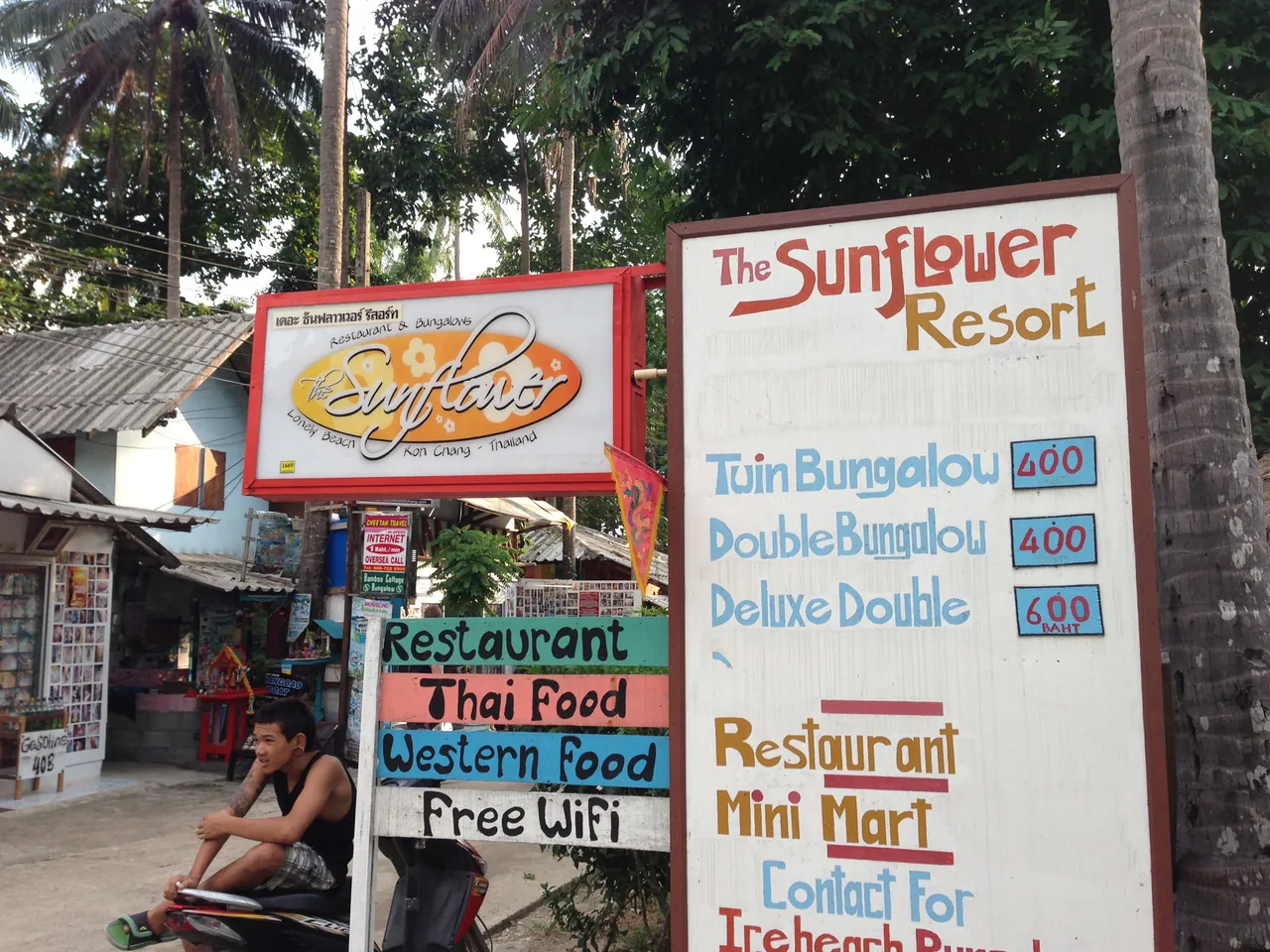
На фото із Sunflower Resort — вивіски, зелень і чоловік, який сидить збоку. Дуже підходящий кадр для цього місця: просте острівне життя без особливих декорацій. І ще один кадр — наш дерев’яний будиночок із гамаком. Розкіш тут переважно за його стінами.The Sunflower Resort photo has signs, greenery and a man sitting off to one side. It suits the place: simple island life without much staging. And in another frame, our wooden bungalow with its hammock. Most of the luxury is outside its walls.
Камбоджа за пів годиниCambodia in half an hour
На Ко-Чангу живемо якийсь час, а потім вирішуємо рухатися далі. Заздалегідь нічого не планували. Дивимося, що відносно недалеко є Камбоджа.We spend some time on Koh Chang, then decide to move on. We haven't planned anything in advance. We look around and see that Cambodia is relatively close.
Десь пів години на роздуми — і ми вже починаємо планувати наступну поїздку.About half an hour of thinking, and we're already starting to plan the next trip.
У політичний контекст я тоді не вникав. Між Таїландом і Камбоджею залишалася територіальна суперечка, яка у 2011 році призводила до збройних сутичок на кордоні. Але наше рішення про нову країну виникає значно швидше, ніж бажання розібратися в її передісторії.I haven't looked into the political context. Thailand and Cambodia still have a territorial dispute, one that led to armed clashes along the border in 2011. But our decision to visit another country comes much faster than the urge to investigate its background.
Камбоджа вже з’явилася в планах. Таїланд устиг показати мені нічний Бангкок, плавучий ринок, яскраву сцену, тварин зовсім близько й острів, де можна недорого жити біля моря.Cambodia is now in the plans. Thailand has already shown me Bangkok at night, a floating market, a dazzling stage, animals up close and an island where you can stay near the sea without spending much.
І ще різницю між тим, хто вміє їздити на скутері, і мною.And the difference between someone who can ride a scooter and me.
З новим маршрутом, на щастя, достатньо почати з плану. Ручку газу крутити не треба.Fortunately, with a new route, making a plan is enough to start with. No need to twist the throttle.