
China, 2013: seven motorcycles in a sphere and an army for two thousand years
Andrii Tonkolytko · China, September–October 2013
I arrived in China with a fairly simple idea of Made in China. Something cheap, not particularly good, a little wonky. Then Shanghai rose up in front of me. Huge glass towers, clean streets, a scale that refused to fit inside that little label.
Everyday things were trickier: English barely helped even with taxi drivers.
Shanghai: English stops here
We flew in from Hong Kong. Before that, we had spent a while sorting out Chinese visas: asking questions, working things out, dealing with bureaucracy. Eventually we got them and flew.
My first impression was that nobody here spoke English. It hardly helped in our attempts to communicate, even with taxi drivers. It was as though the country was politely suggesting: we already have Chinese, feel free to join in.
In the metro, we treated the characters like pictures. Something that looked like a little house, with a square next to it. Remember that: our station. We couldn't read the name, but we had learned the architecture of the word. An accelerated Chinese course with a practical exam called “Find your way back to the hotel.”
The hotel itself was a lovely surprise after Hong Kong. There, a considerable sum bought you very little space. Here, our really nice place cost about twenty or thirty dollars a night. An enormous contrast. It's pleasant when your budget suddenly starts behaving itself after a move.
Across the road from the future
What struck me about Shanghai was how different worlds sat beside one another. On one side of the street, glass skyscrapers, everything clean, well kept and enormous. On the other, low old buildings, peeling walls, neighbourhoods that looked very poor beside those towers. Just an ordinary road between them.
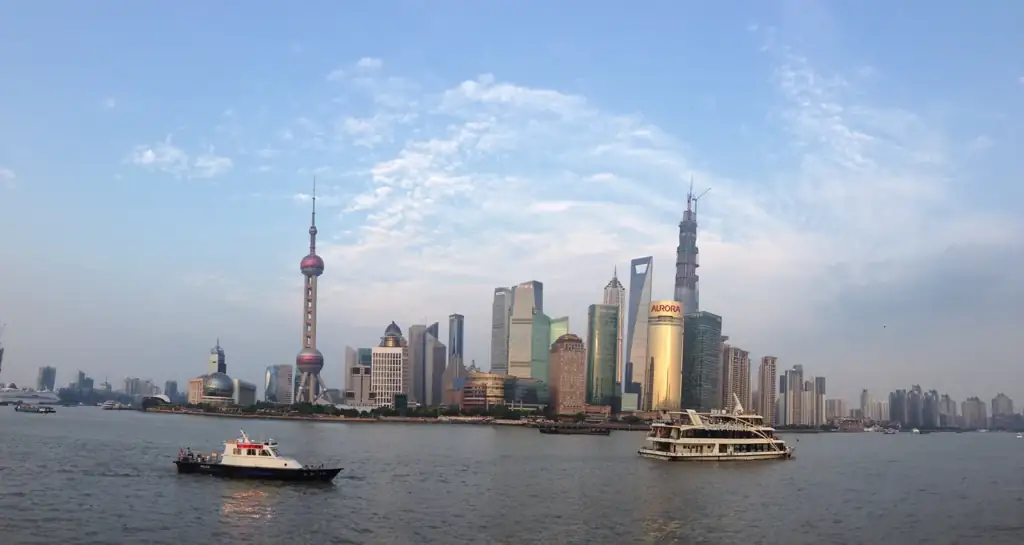
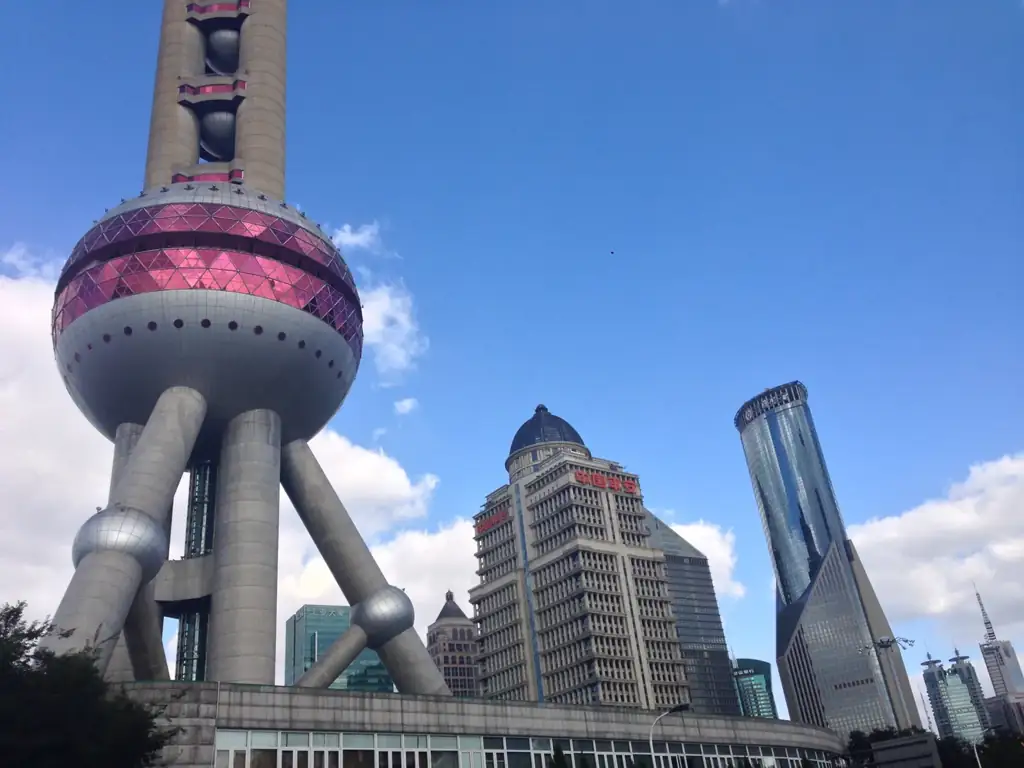
So many bicycles and motorcycles. Above it all, a huge city growing upwards. From the Bund, the skyline opens out: towers, the river, boats, the Oriental Pearl TV Tower with its spheres. Seeing those buildings in person quickly cures any condescending attitude towards Made in China.
There were familiar details in unfamiliar surroundings, too. Statues of Mao Zedong reminded me of our statues of Lenin. And Cristiano Ronaldo kept turning up in the Shanghai metro, advertising Herbalife. Among all the characters, at least there was one face I could recognise without preparation.
I even joked: I wonder whether Cristiano himself knows how often people run into him here? :)

A market with an expanded menu
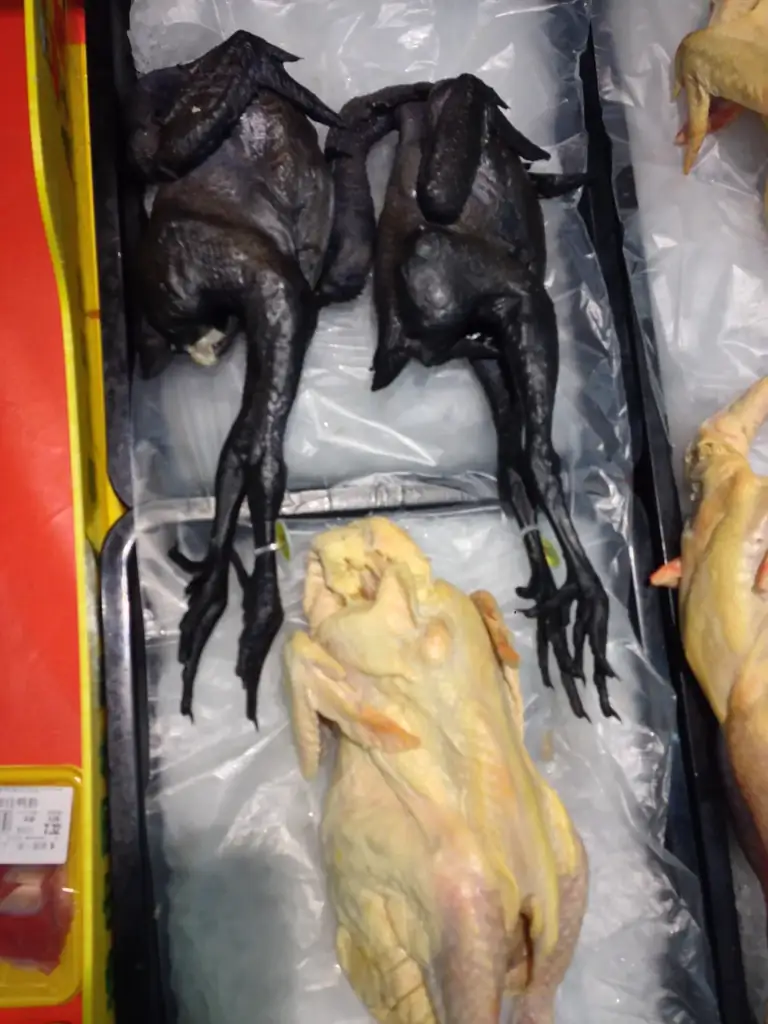
At a local market, my list of things that could count as food grew considerably. For the first time, I saw chickens with black skin. Not burnt. Just chickens that looked like that.
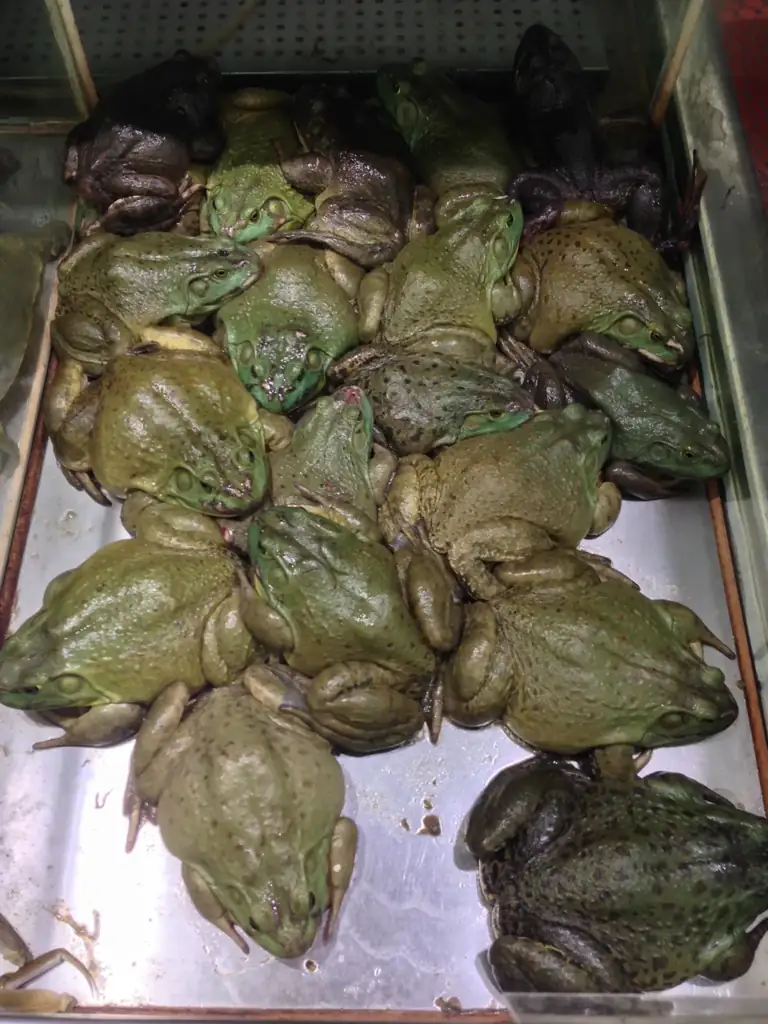
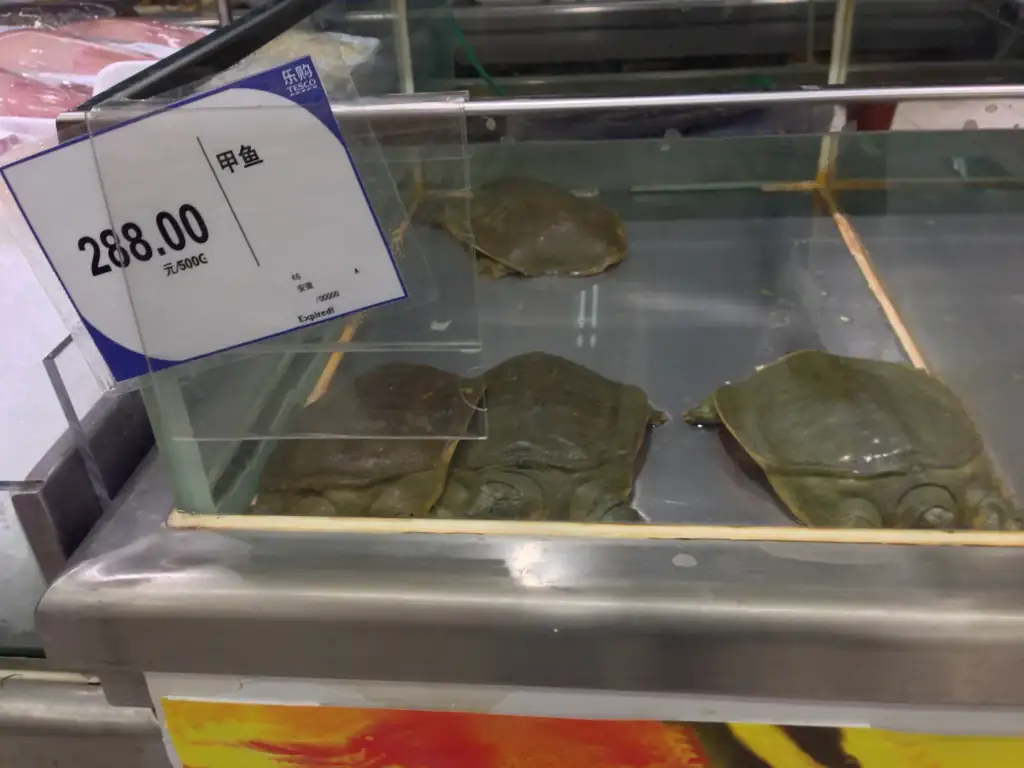
Nearby, frogs were being sold by weight, along with turtles, while long, snake-like creatures wriggled in bowls and tubs. Some looked like snakes to me, others like loaches. I didn't conduct a zoological examination, but it was fascinating to look. An ordinary day selling groceries for the vendors, practically an excursion for me.

Then, in a supermarket in the middle of this very Chinese world, there was Ukrainian Khlibnyi Dar vodka. Sitting on the shelf as though it had always belonged there. We were still figuring out the metro, and it had already settled in nicely.
Seven motorcycles. One sphere
At an acrobatic show in Shanghai, it felt as though we had entered another world. People were jumping and performing complicated tricks, but the metal sphere with motorcycles inside made the biggest impression on me.
First, one motorcyclist rides in and starts racing around the walls. Already impressive. Then a second. Then a third. Eventually there are seven of them. Seven motorcycles inside one sphere, each travelling at an enormous speed in its own direction.
How the hell is that even possible? We're still figuring out the little squares on the metro map, while these people are passing one another inside a closed sphere. Very different levels of navigation.
An incredible sight. Shanghai would have been worth visiting for that alone.
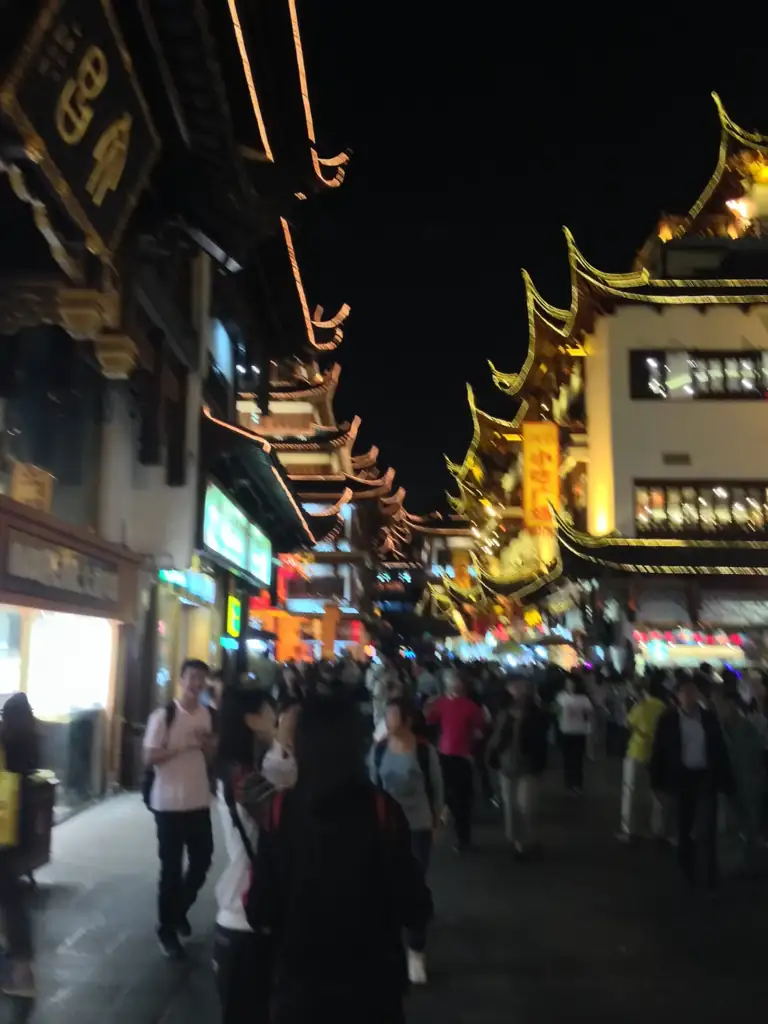
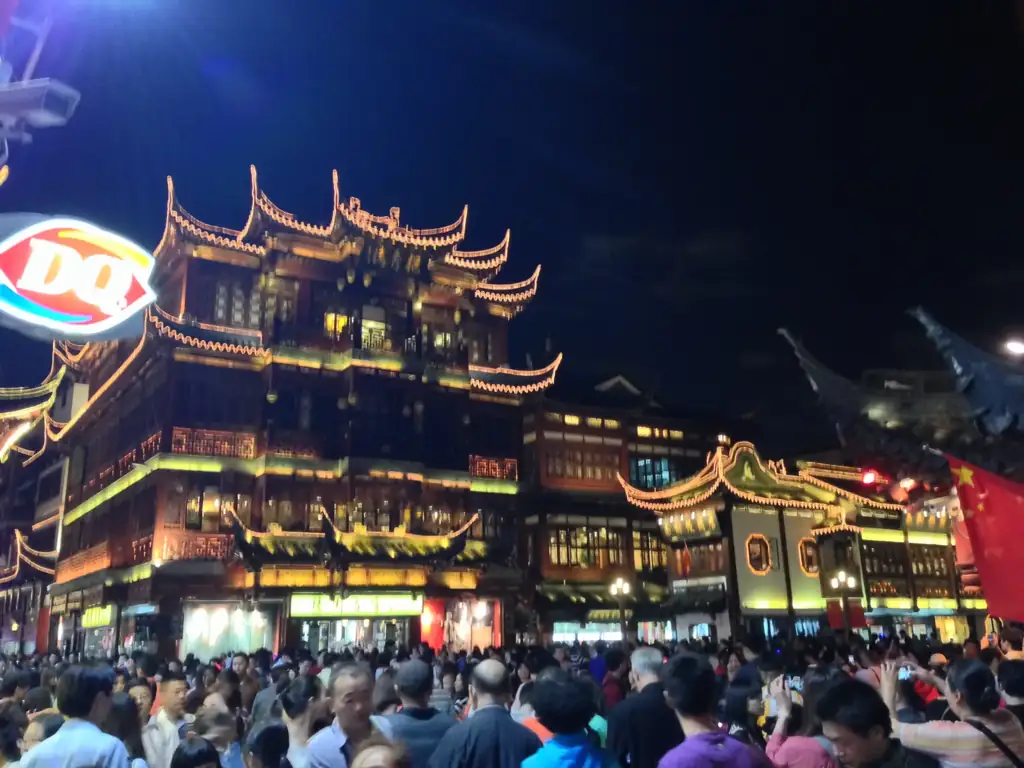
I also really liked the old neighbourhood around Yuyuan: Chinese roofs with upturned edges, carved balconies, red columns. In the evening the buildings light up, and it becomes even more beautiful.
To Xi’an, preferably Xi’an
Our next city was Xi’an. We were flying there mainly for the Terracotta Army. First, though, there was a small battle with the tickets.
The flight purchase from Shanghai was cancelled because of a problem accepting my card. Then I made a mistake with the return booking: Huangshan appeared instead of the Shanghai we needed. I had to write and ask for a correction. I was still mixing up the names, and the system was already prepared to broaden our geography.
Eventually we flew to Xi’an. On practically our first day, we went to see the army. On the way, I saw pomegranate orchards. Orchard after orchard. I had never seen how pomegranates grow before. In Ukrainian, their name sounds a lot like “grenades.” I mean the fruit full of seeds, just to keep this story about an army from getting too military.
The emperor came prepared
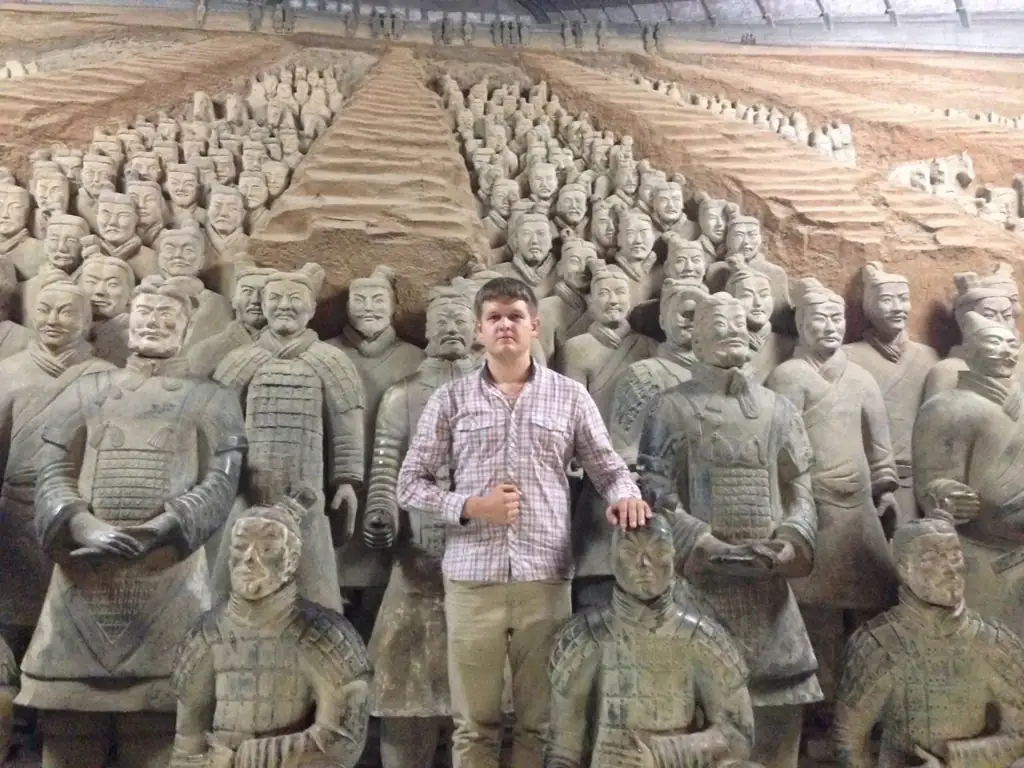
The Terracotta Army near Xi’an really is fantastic. You enter an enormous hall, and below you stand long rows of warriors. Earth partitions between them, a huge roof overhead. The rows stretch far into the distance, making the scale especially striking.
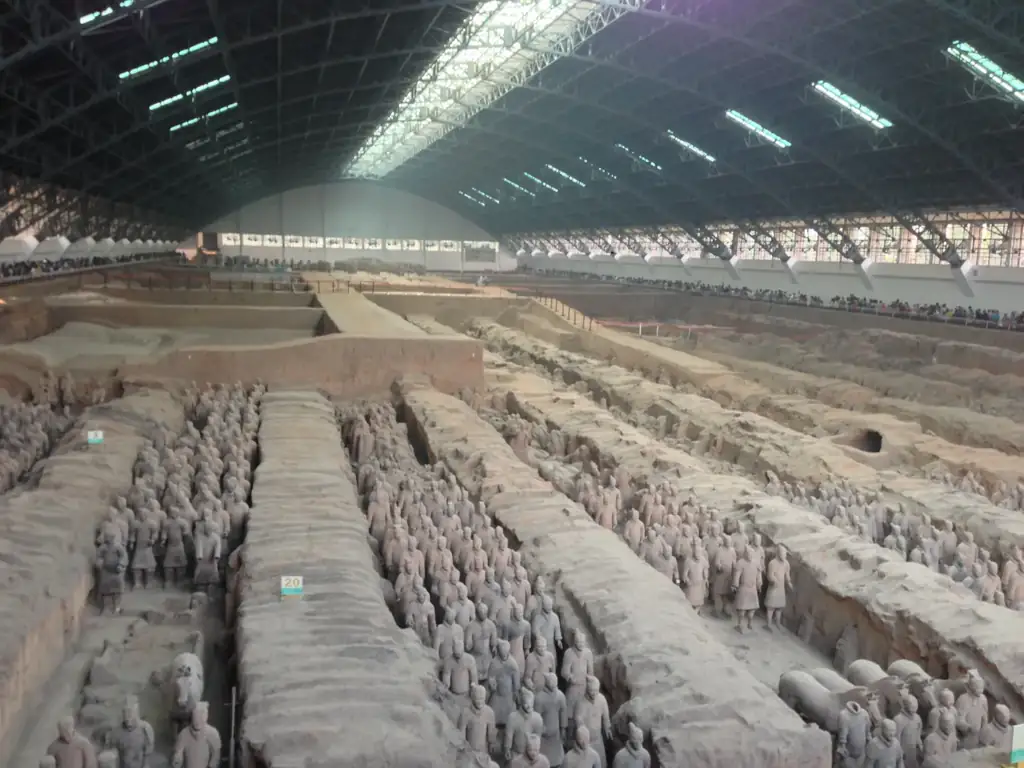
This is part of the burial complex of Qin Shi Huang, the first emperor of a unified China. He united the country in 221 BC and died in 210 BC. Thousands of clay soldiers and horses, chariots and other figures were intended to accompany him into the afterlife. The emperor had, let's say, decided against travelling without security.
All of this was created more than two thousand years ago. Life-size warriors with different faces, hairstyles and armour. From a distance you see an army; look closer and individual figures begin to emerge. That combination of enormous numbers and attention to detail is what makes it so impressive.
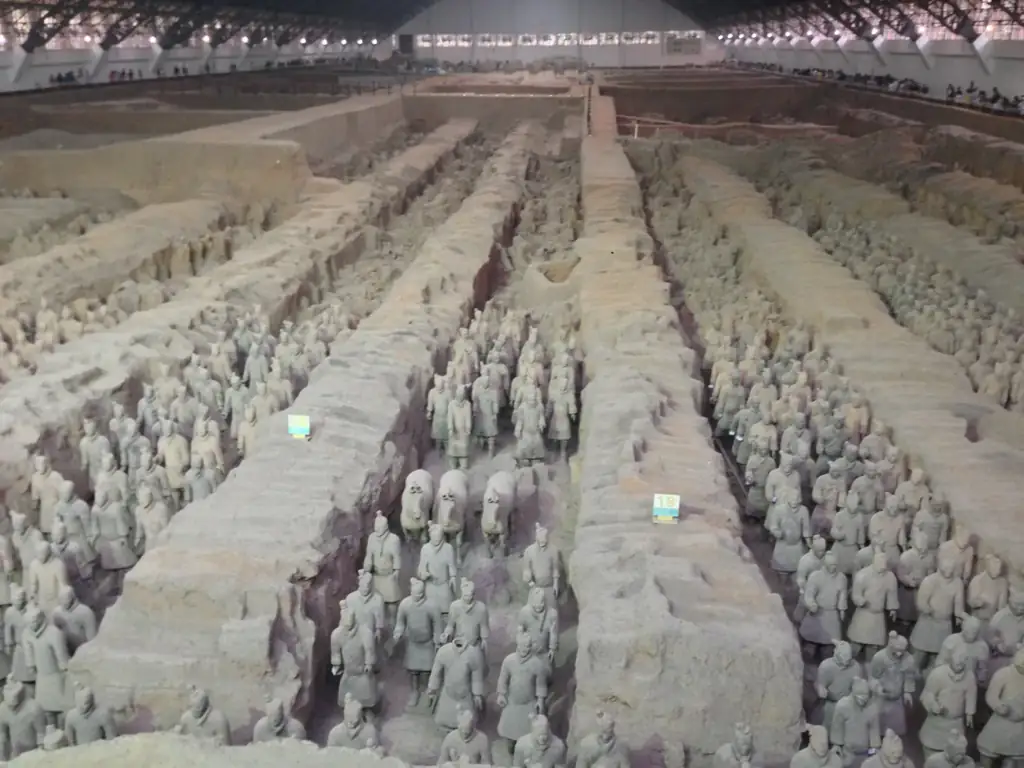
The army was discovered in 1974. It had spent more than two millennia buried underground. And this is only one part of an enormous complex, rather than the emperor's entire tomb in a single hall.
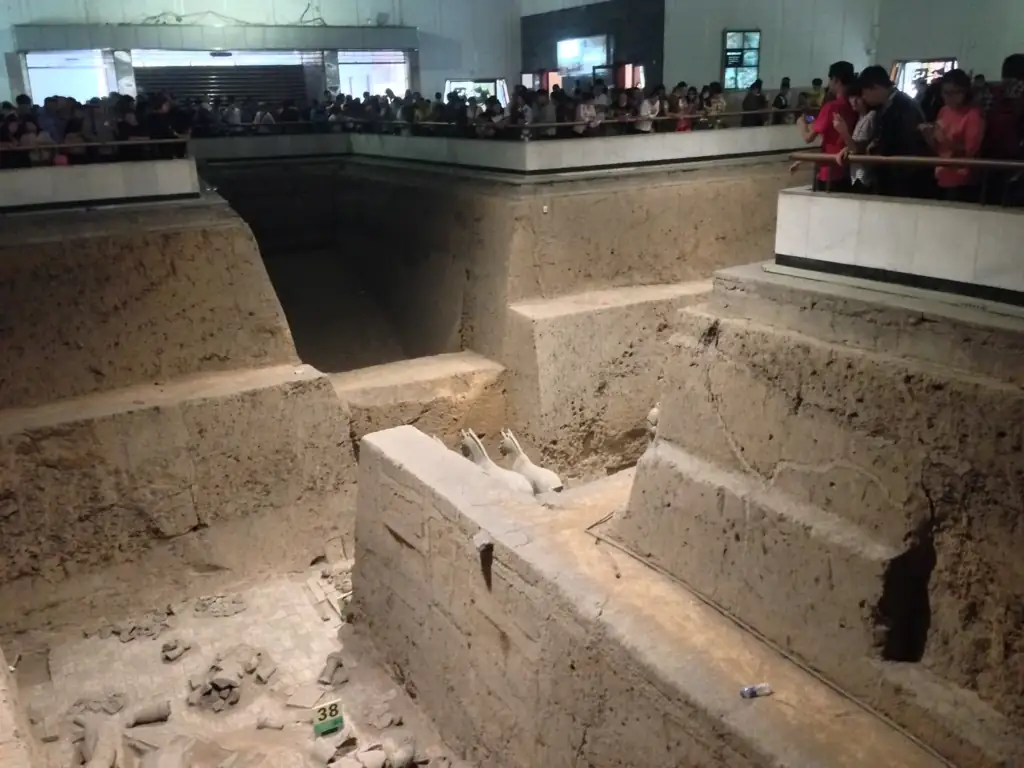
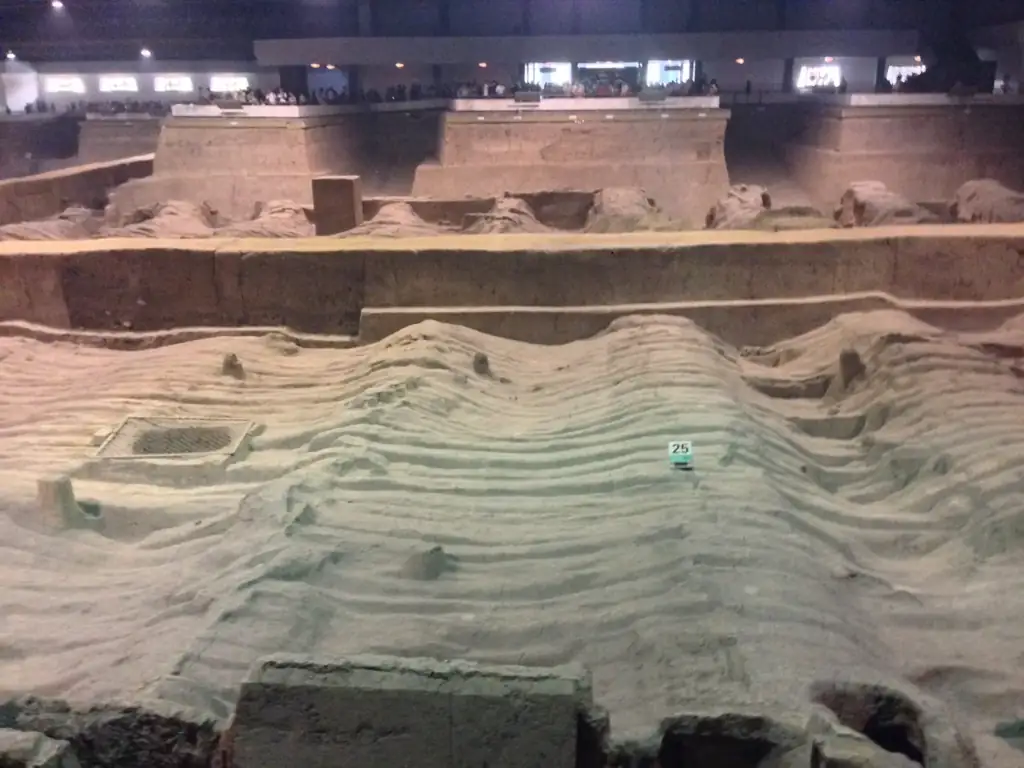
Sometimes we struggle to organise a little trip properly, and this man prepared an entire army for his next life.
We took plenty of photographs from different angles. This is exactly the kind of place where you want to capture the whole view and inspect individual warriors. One of the strongest impressions of China.
The city behind the walls
I really liked Xi’an itself, too. Powerful walls surround the old city, and walking here feels completely different from Shanghai. Temples, gates, pagodas, old architecture. History is right there in the city's everyday space.
In ancient times this was Chang’an, a capital of empires including the Han and Tang. But the walls around today's old city are much younger: they were built in the fourteenth century under the Ming dynasty. There are so many layers of history here that even “younger” means several hundred years old.
The Small Wild Goose Pagoda in the grounds of Jianfu Temple was especially memorable. A tall, many-tiered building among greenery, paths and gates. Its construction began under the Tang dynasty in the early eighth century.
The temple grounds have a wonderfully harmonious atmosphere. I also remember the round, pot-bellied figures in the temple courtyards. Old buildings, greenery, an inner calm. A place to think about important things.
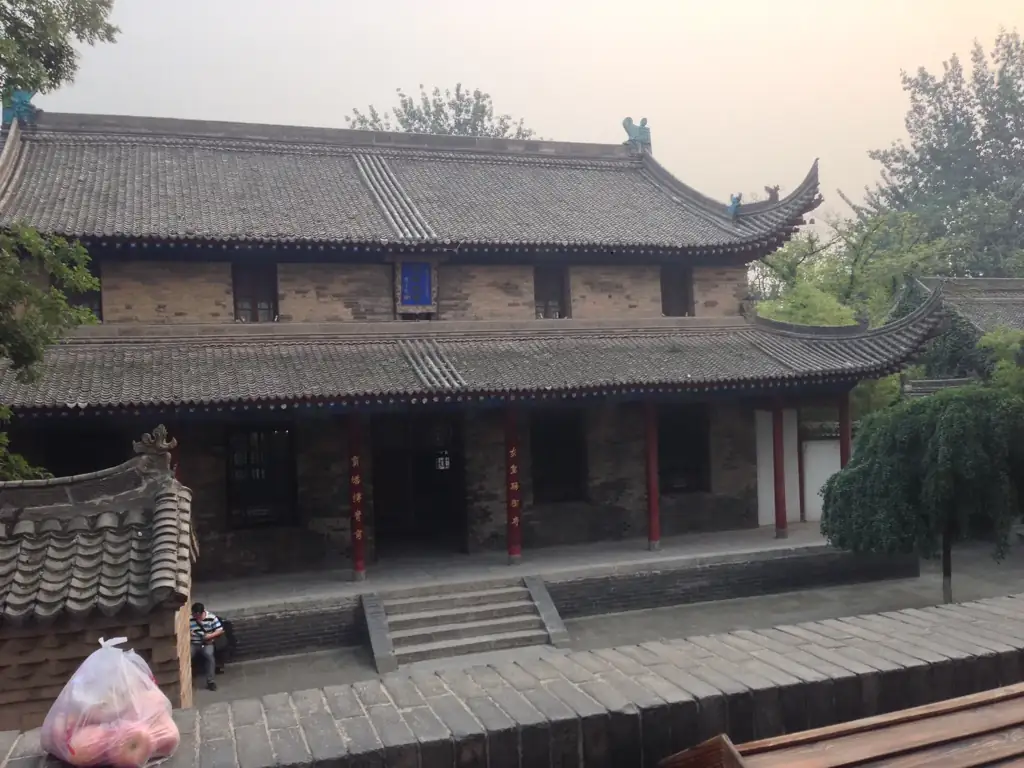
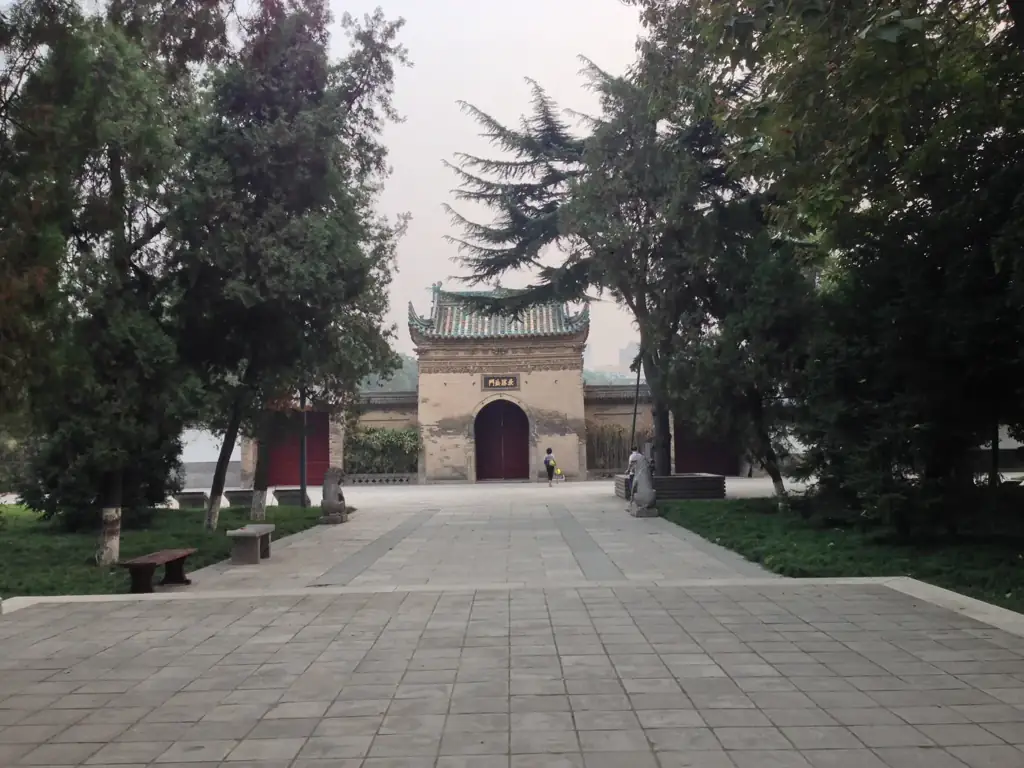
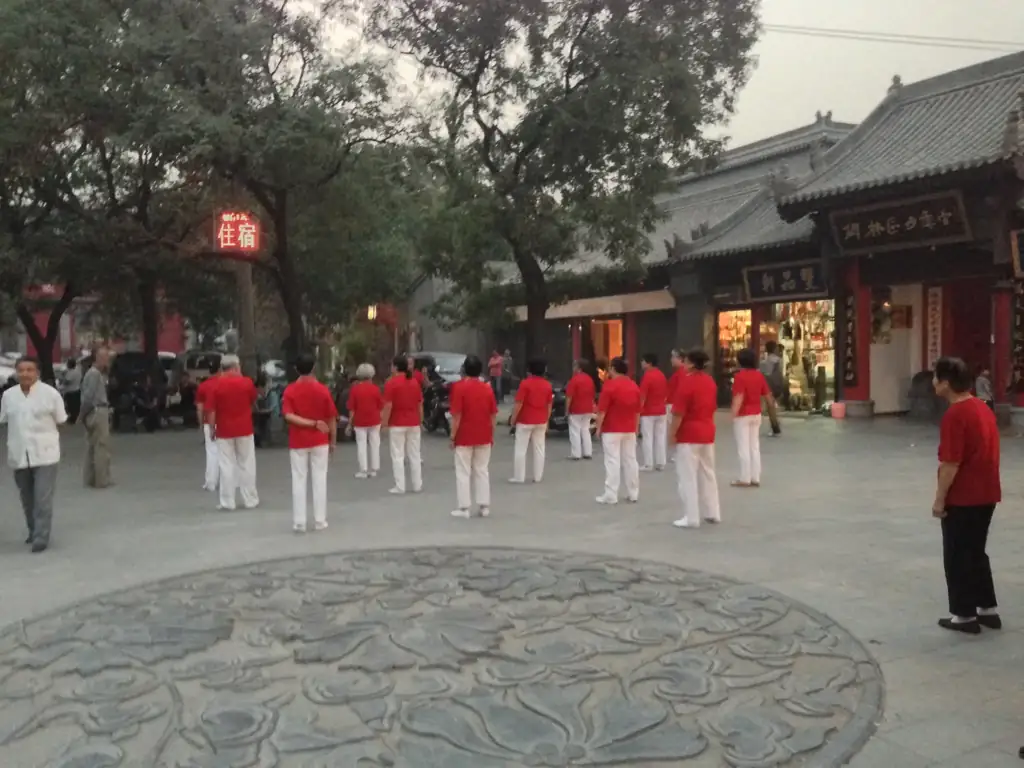
Meanwhile, plenty of older people exercise in the city squares. Grey heads, slow movements, whole groups. I really like how they organise themselves and spend time together. The city may have old walls, but nobody inside seems ready to become a museum exhibit.
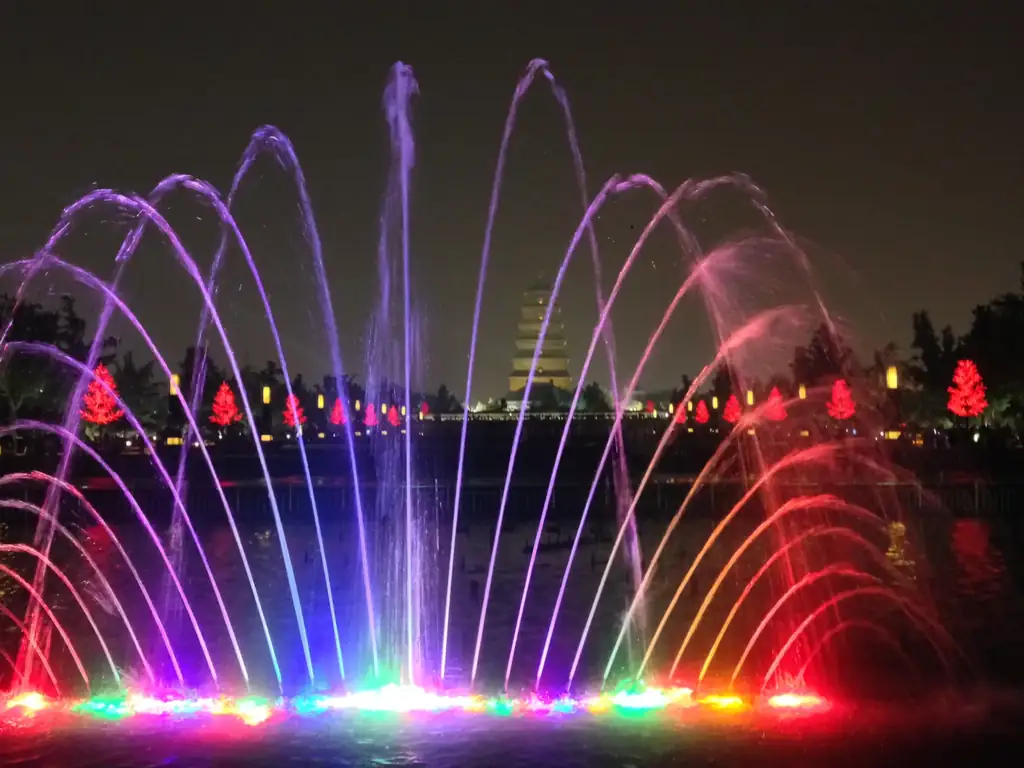
In the evening, we watched the musical fountains near the Giant Wild Goose Pagoda. Illuminated jets, long arcs of water, the pagoda behind them. Once again, everything enormous and beautifully done. Even a fountain here seems too ambitious to remain just a fountain.
Afterwards, we went to a restaurant and ate Peking duck. One of those compulsory items: come to China and try it. And, as it turns out, you don't actually have to go to Beijing to do that.
When they build a whole city
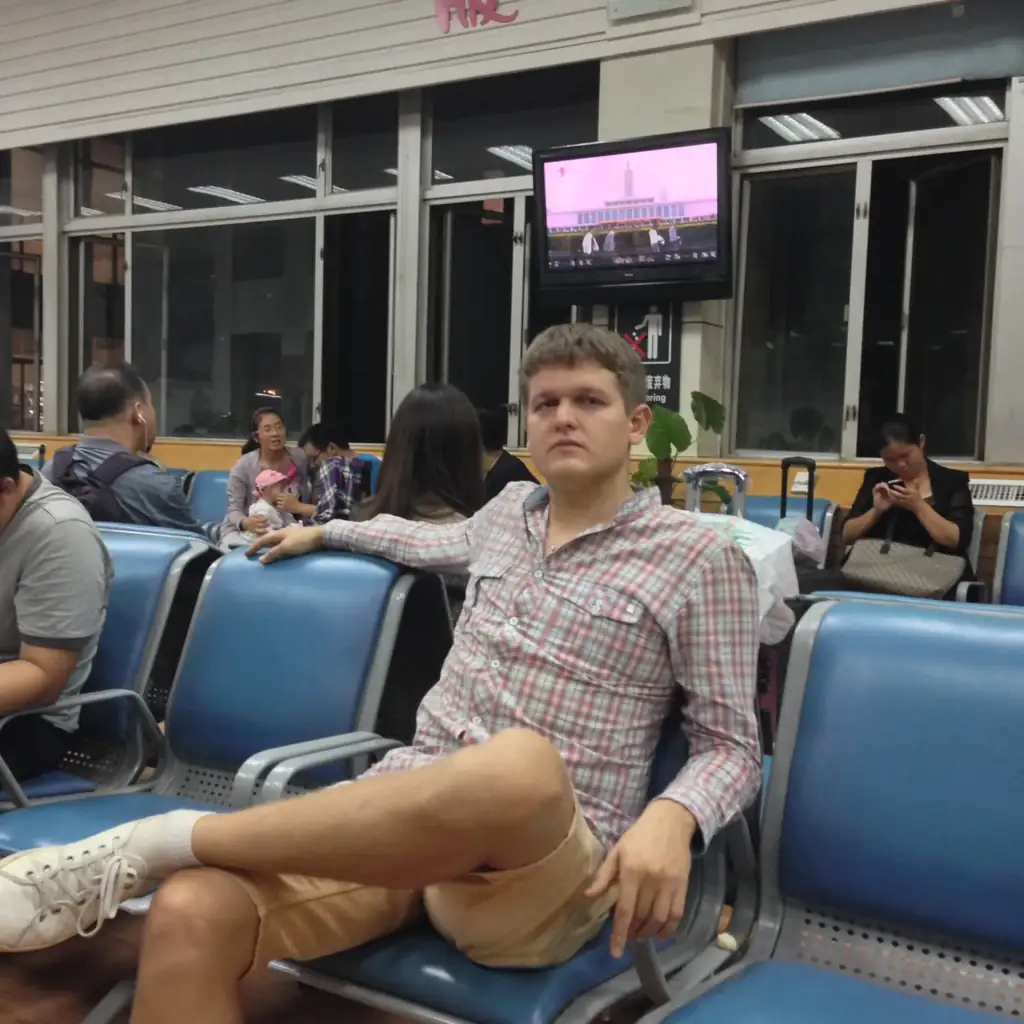
We took the train back from Xi’an to Shanghai. Blue seats in the station waiting hall, suitcases beside us. After all the warriors, temples and fountains, ordinary travel again: sit down, wait, move on.
The new developments along the way surprised me. Whole neighbourhoods and cities with no lights visible in the windows. From the train they seemed empty. You can't establish how many people actually live somewhere from a carriage window, but the impression was powerful: they were building an entire city at once.
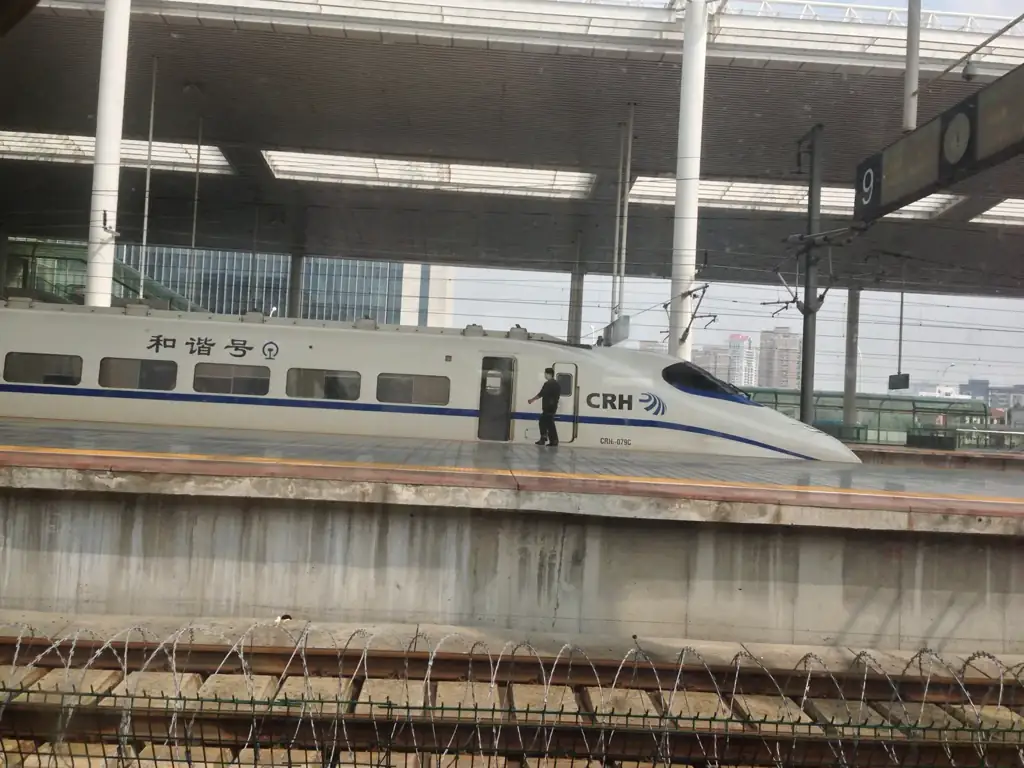
That is what struck me about China, this sheer scale. Something needs building? They seem to take on a huge section straight away. Skyscrapers, residential districts, enormous squares. And nearby stands an army commissioned by another ambitious builder more than two thousand years ago.
I had arrived with my rather dismissive Made in China. I returned to Shanghai with a different understanding of those words. China turned out to be much more impressive than I had imagined.