
New York: Freedom, Money, and Everything in Between
January 16–18, 2014
For my first few days in New York, I mostly kept recognizing things. There’s the skyscraper from the movies, there’s the yellow cab, there’s that street. Then I wanted a closer look: what was behind all those familiar images? Behind the statue greeting ships. Behind the stock exchange, which had been more than just a name to me for several years. Behind paintings people still come to see centuries later.
Still, I didn’t start with philosophy. I started by figuring out how to get close to the Statue of Liberty without making life unnecessarily complicated.
Taking the Ferry to Liberty
New York without the Statue of Liberty would have felt a bit like Paris without the Eiffel Tower. You could do it, of course. But why? There turned out to be plenty of ways to get there. I wasn’t planning to land on the island. I wanted to see her up close, look at the city from the water, and get a sense of all that space. The Staten Island Ferry did the job: from Whitehall Terminal in Manhattan to St. George on Staten Island.
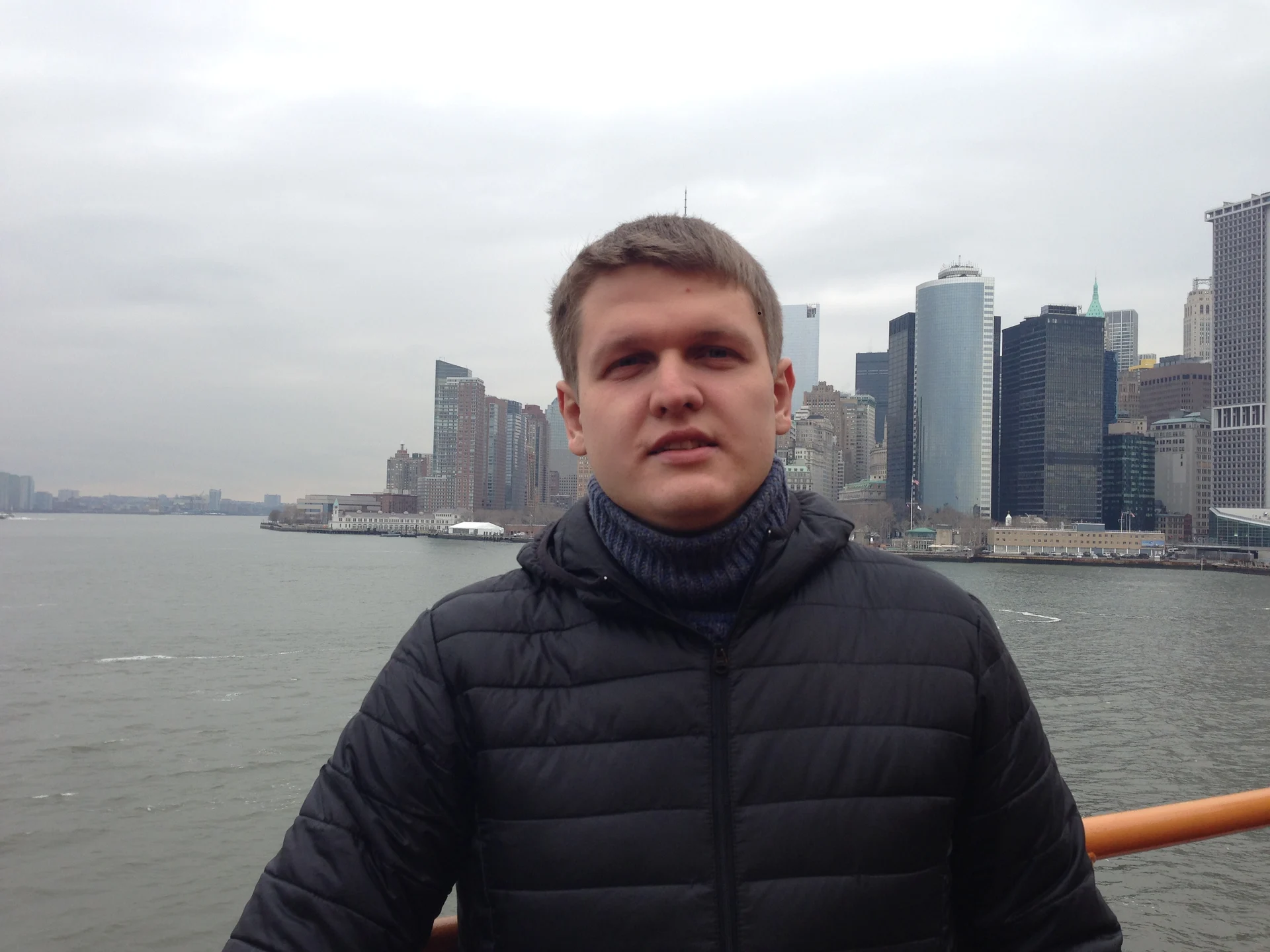
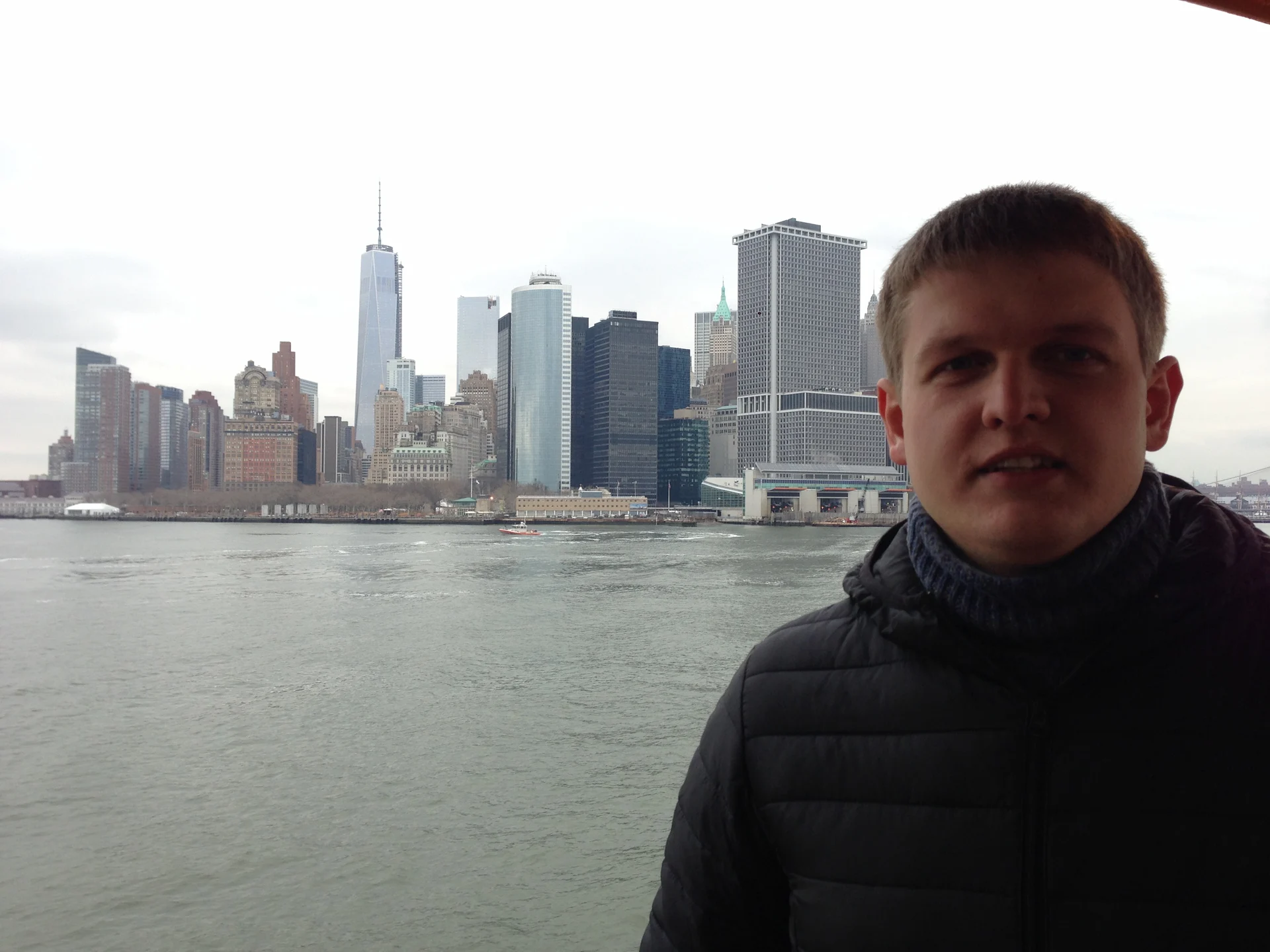
As the ferry pulls away, Manhattan gradually comes together as one picture. On the streets, you see individual buildings and keep craning your neck. From the water, there’s an entire forest of skyscrapers in front of you. The port, the ships, the scale of it all. There’s something powerful about it: the city isn’t just beautiful. It’s working.
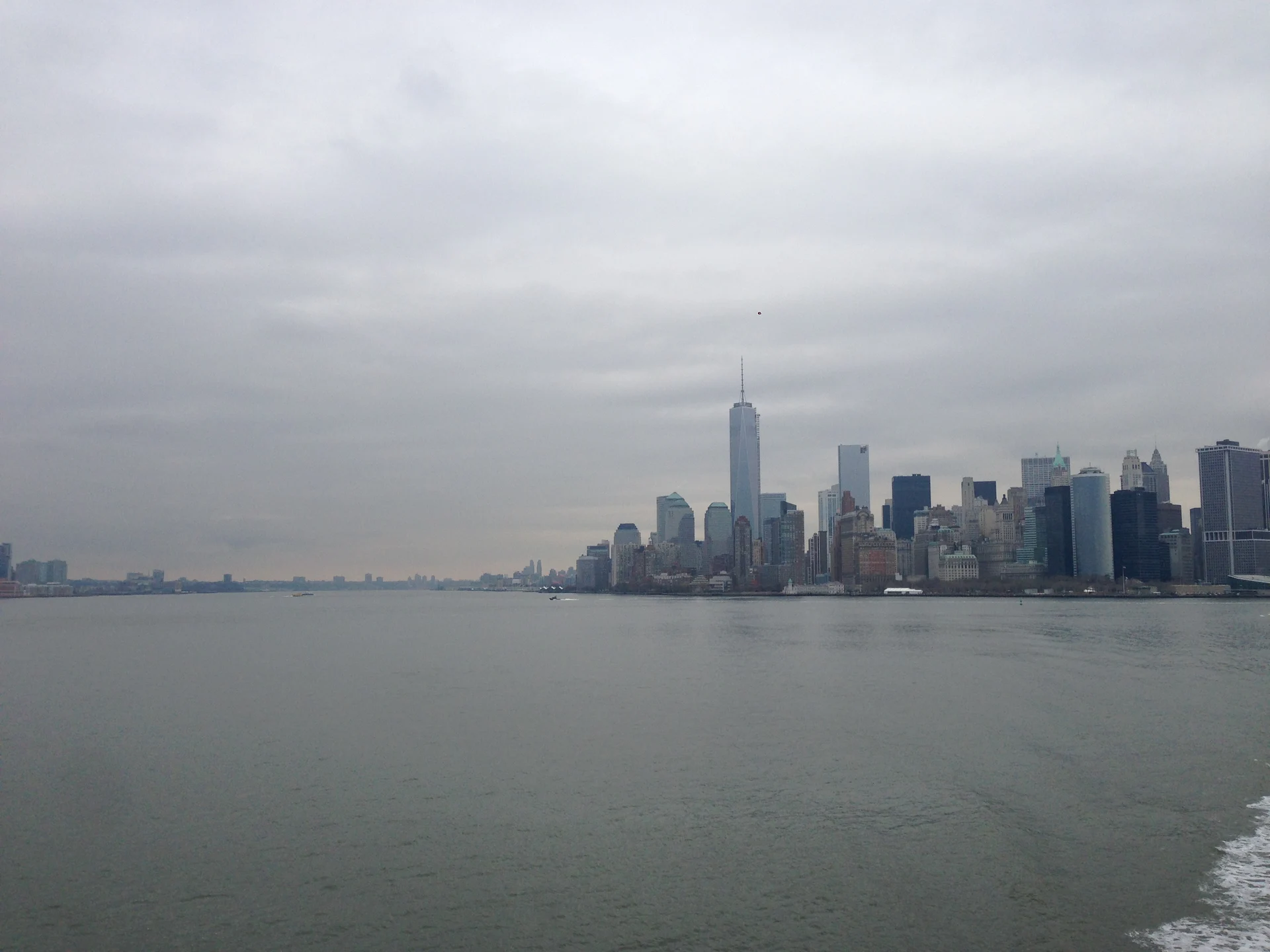
The sky looked as though the rain had almost arranged to meet us. But it was holding off for now. Then she came closer. You stand on the ferry, look at that familiar silhouette, and get goosebumps: an image you’ve seen your whole life has suddenly become real.
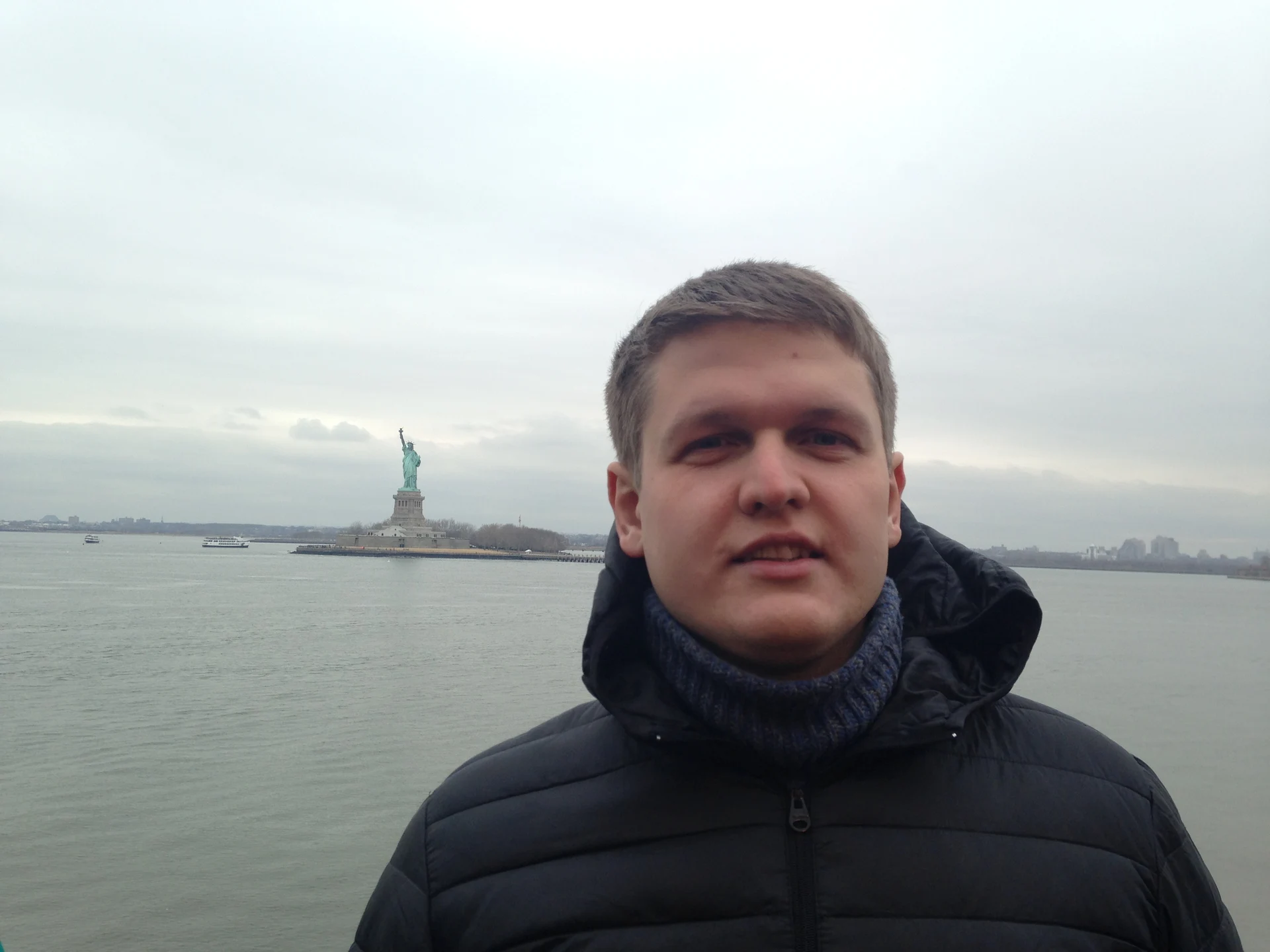
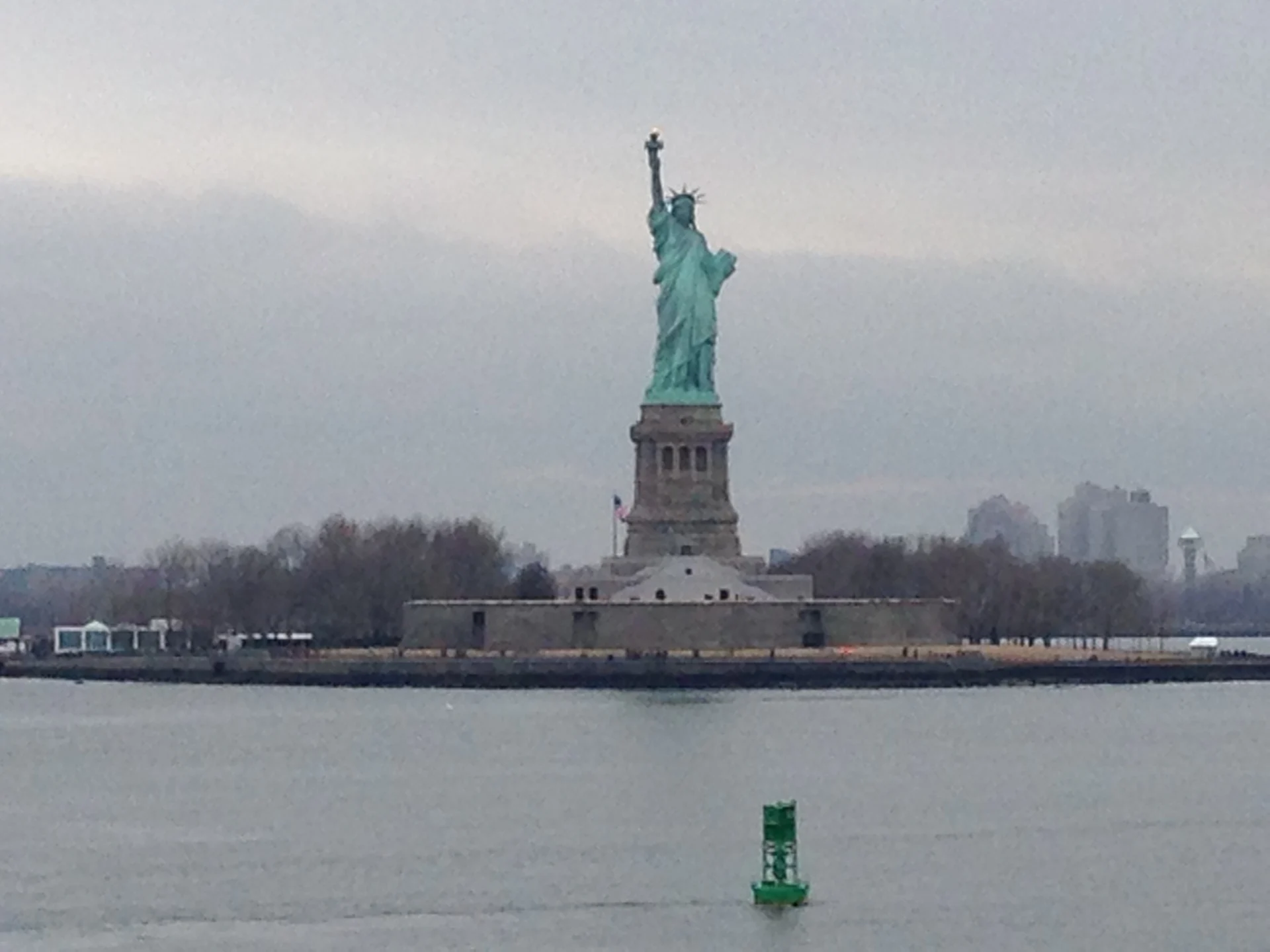
For me, the statue was above all about the possibility of starting again. People crossed an ocean, left the life they knew, and arrived in a country where they hoped to build another one. Not everyone got a success story. But the possibility of one mattered a great deal.
Among those who actually passed through nearby Ellis Island were Max Factor, who went on to build the famous cosmetics business, and Irving Berlin, the future composer, who arrived in America as a five-year-old boy. Behind those big names were once people with luggage, papers, and a very uncertain future. To me, that makes the symbol of freedom more interesting, not less impressive.
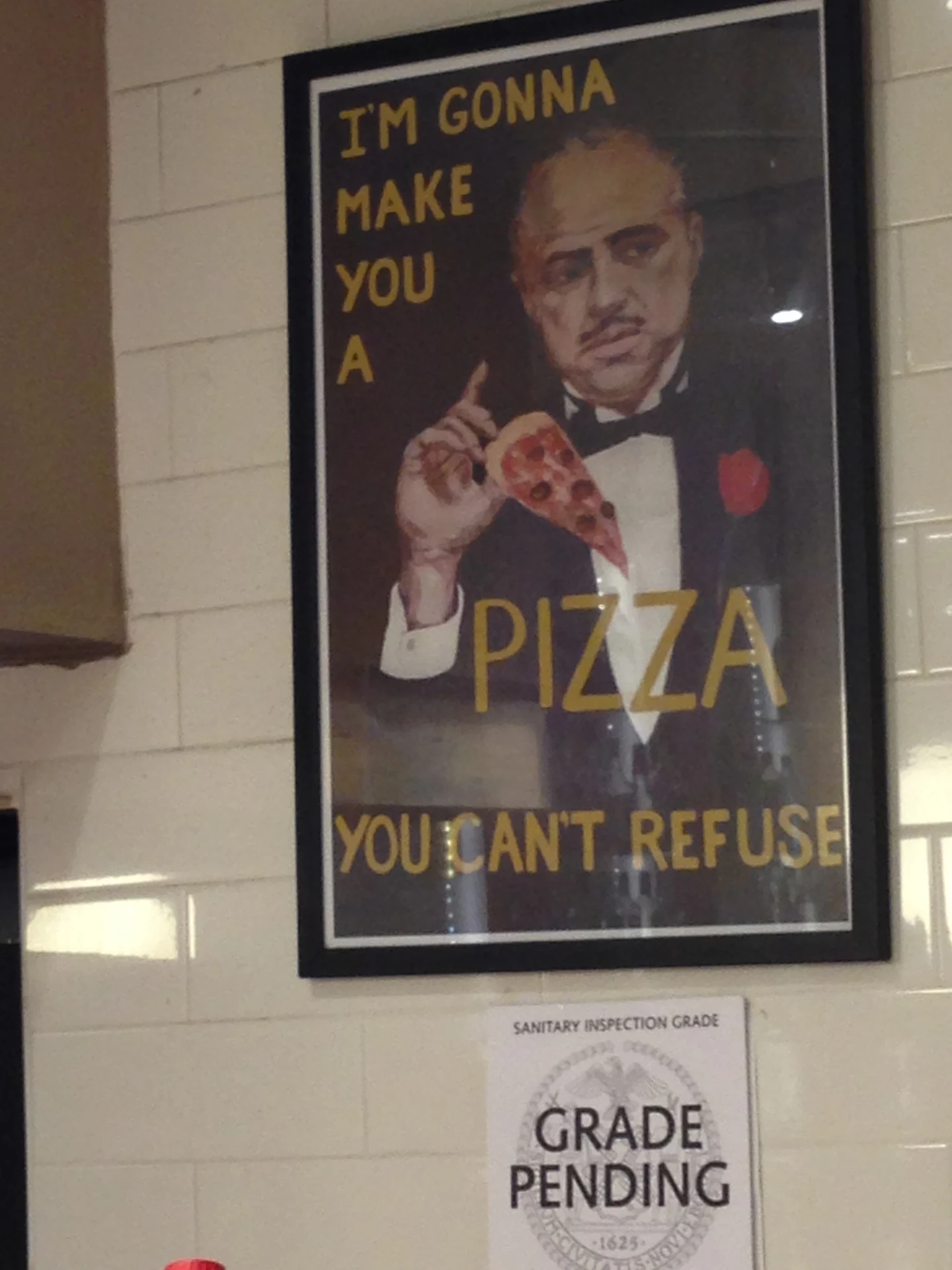
On Staten Island, the historical part of our outing briefly gave way to pizza. Outside a pizzeria was Don Corleone with an offer you couldn’t refuse. Only this time, the offer was pizza. Fairly persuasive marketing, especially when you’re hungry.
We ate and went back to the ferry. There was no grand expedition around Staten Island. But the return trip gave us another view of Manhattan from the water. Sometimes the best part of a route is already included in the journey back.
Brighton Beach: Across the Ocean to Home Cooking
Back in Manhattan, we took the subway to Brighton Beach. I was beginning to get the hang of New York’s underground minibuses. Now I wanted to see the neighborhood I’d heard so much about: America, where you could suddenly find yourself surrounded by very familiar words, shops, and flavors.
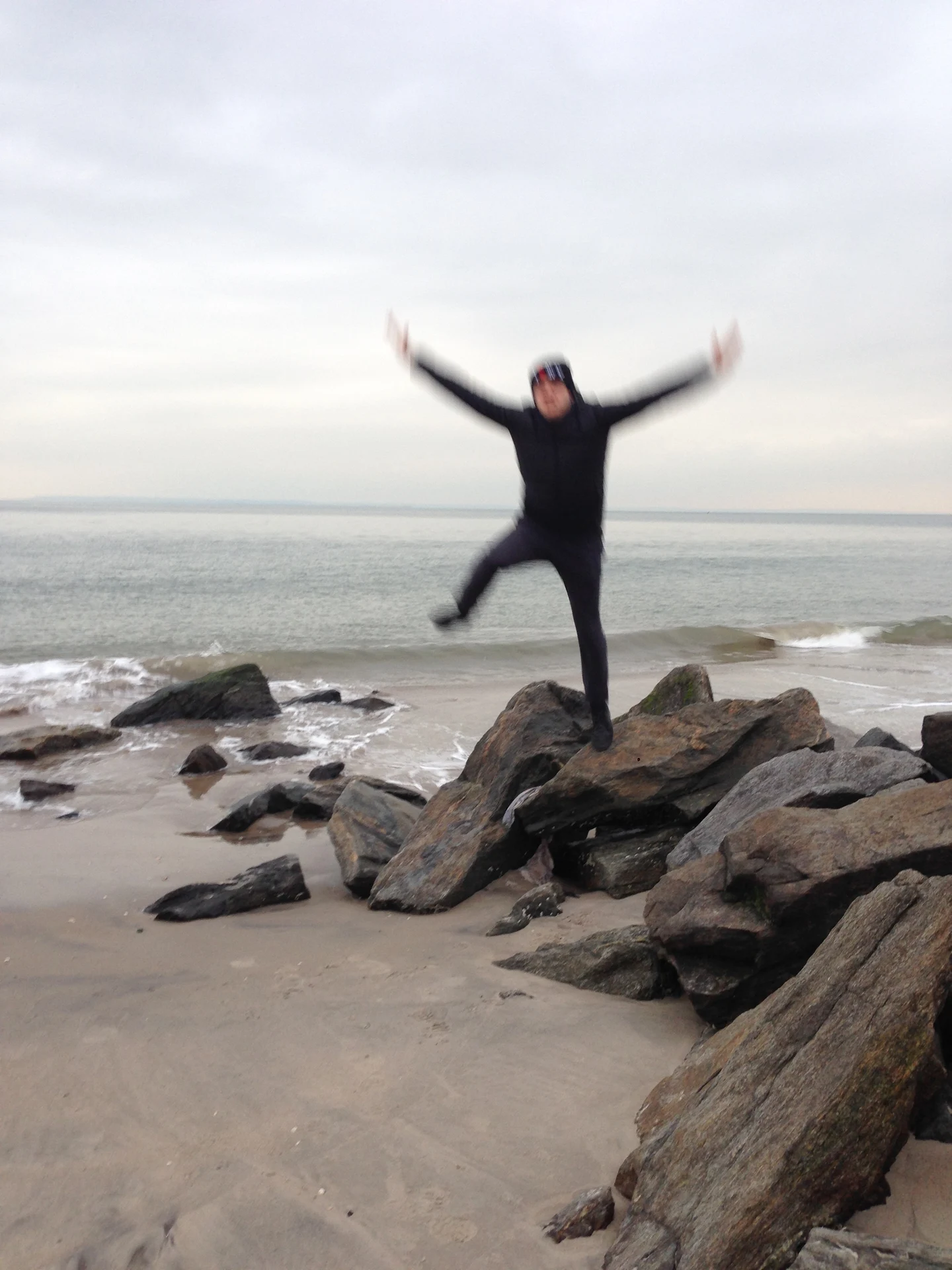
First, we went down to the Atlantic. It was my first encounter with it, as I wrote at the time. Not my first ocean, but my first Atlantic. After tightly packed Manhattan, all that open space was a pleasure in itself. Water, shore, sky, a long boardwalk. Judging by the photographs, I decided to express my appreciation with my entire body.
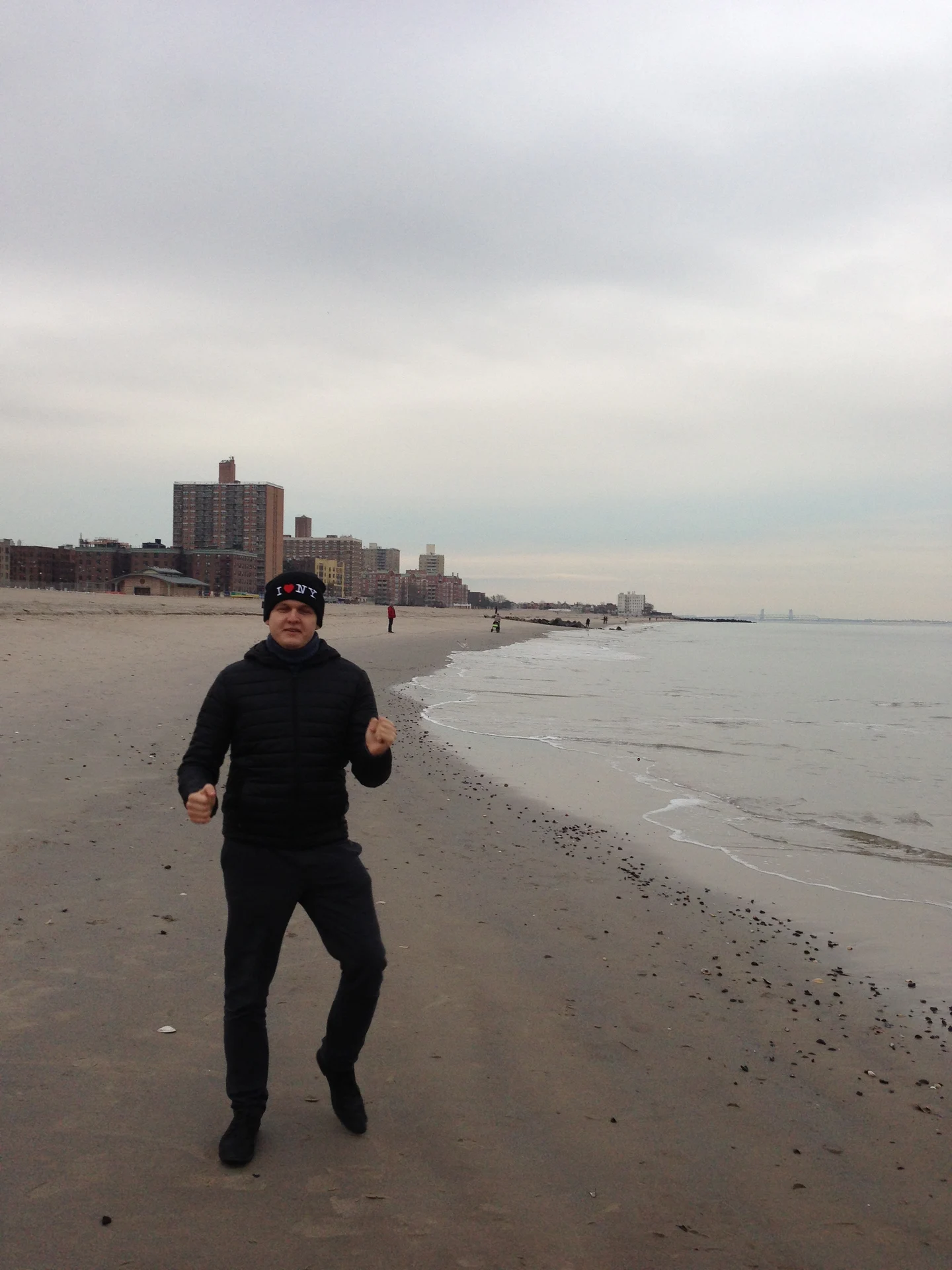
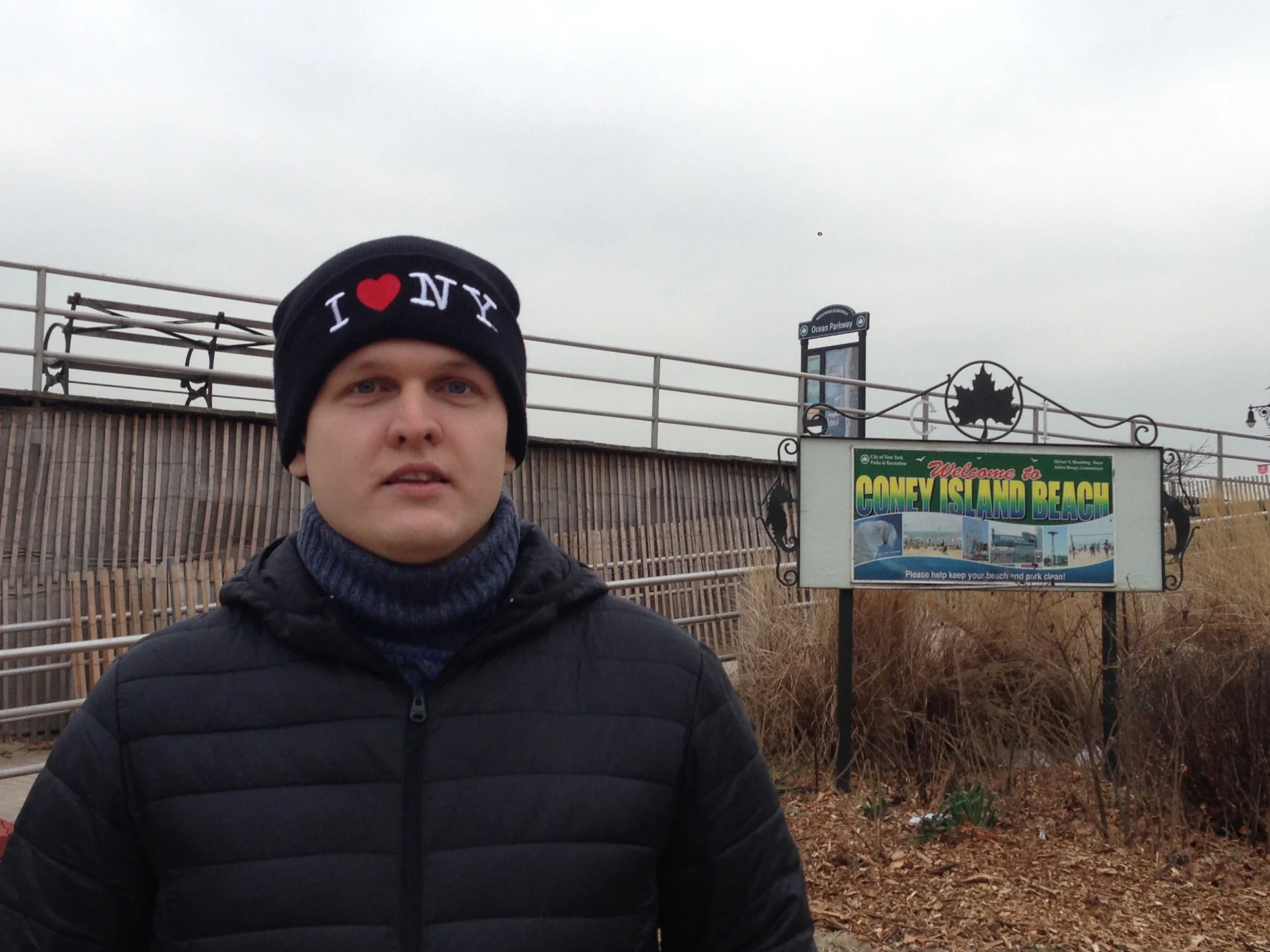
A little dancing, a little jumping. A serious cultural program for a grown man by the ocean.
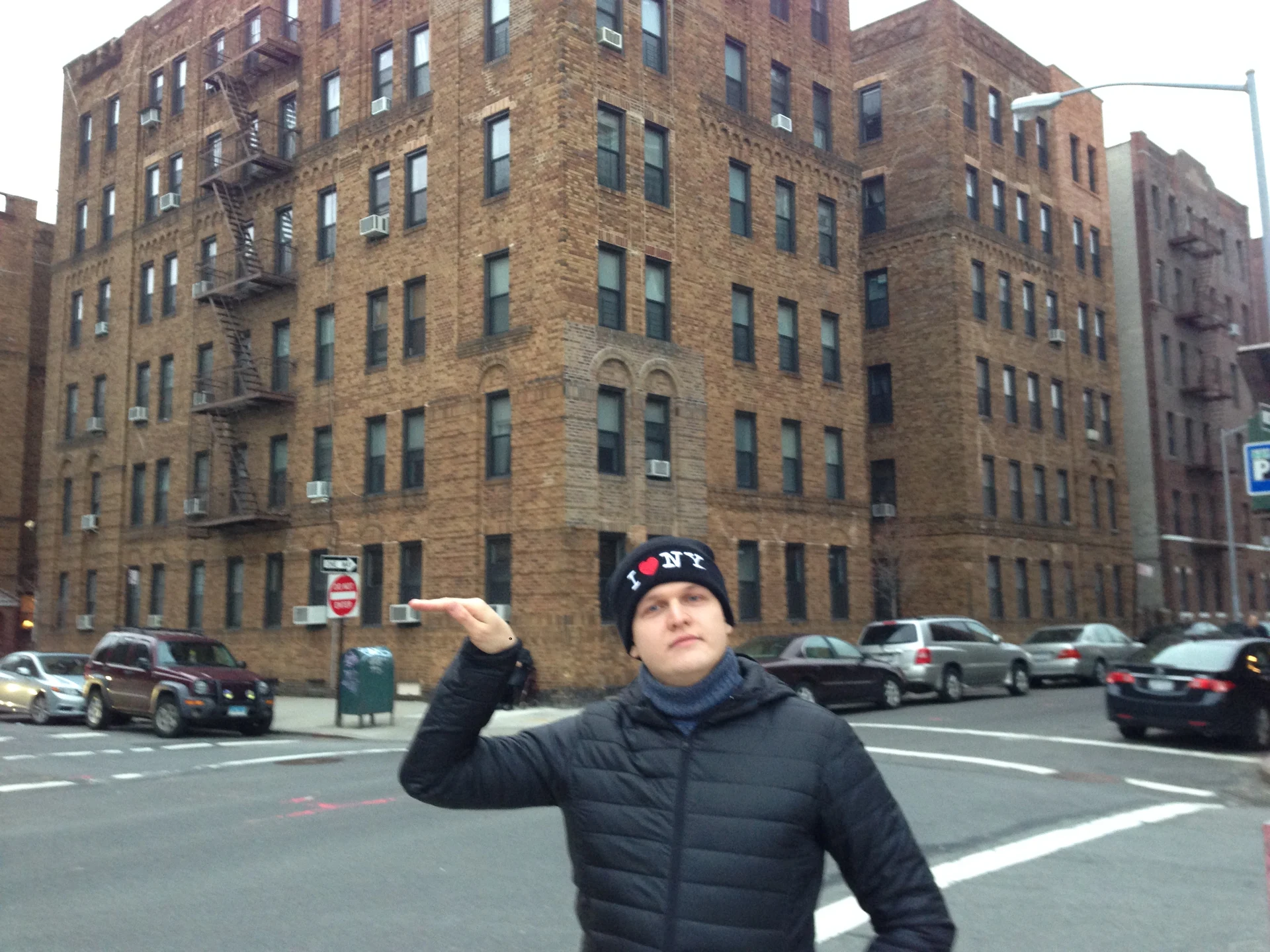
The neighborhood itself gave me a strange feeling. Red brick, American streets, a completely different urban scale, yet the signs and products seemed to transport me to the familiar world of the late eighties or early nineties. That was my impression, not a description of the people who live there. It felt as if a piece of home had once been carried across the ocean and then gone on living a life of its own.
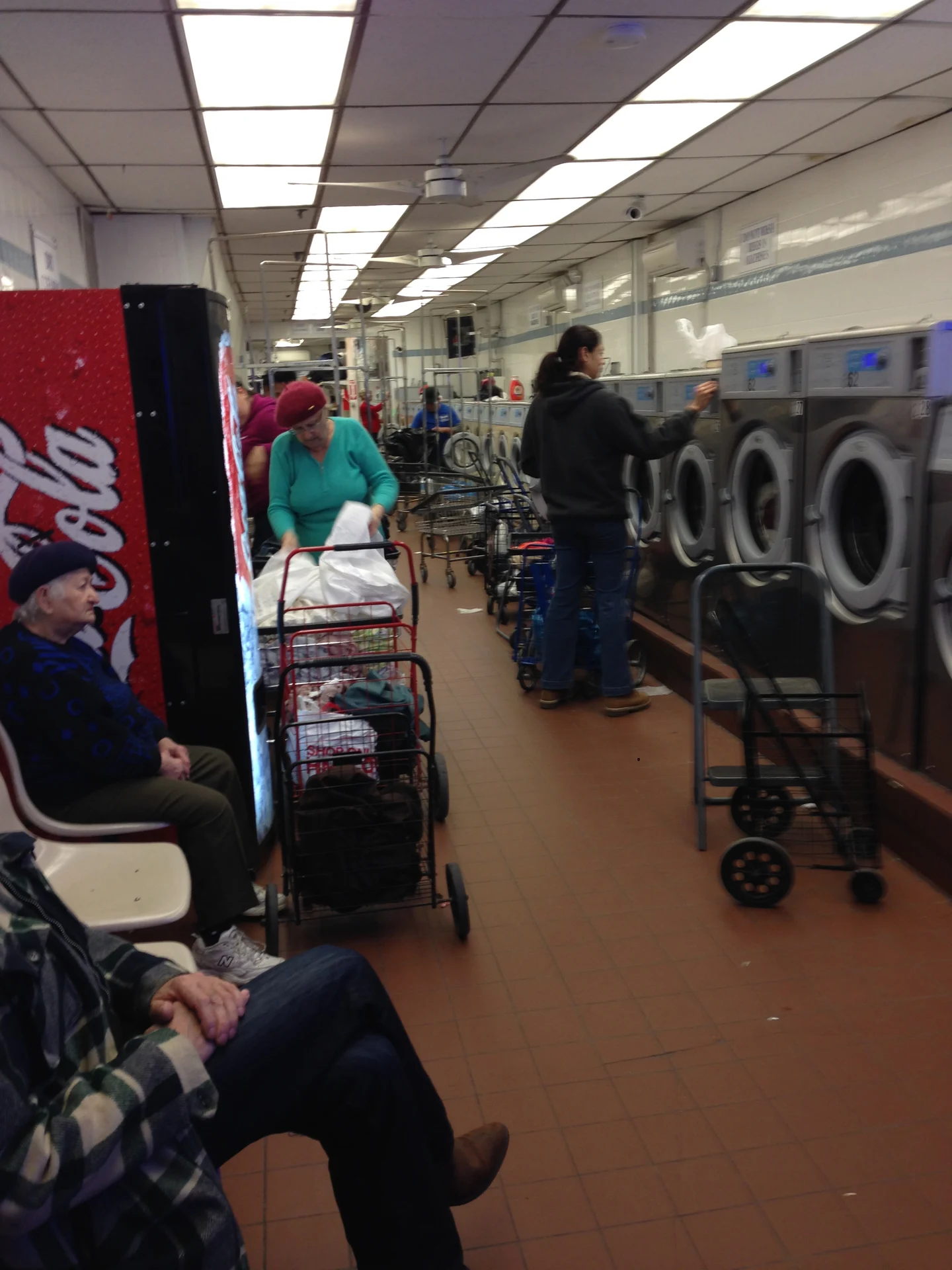
There was also a very American bit of everyday life: a laundromat. Rows of machines, people waiting for their clothes. For someone else, an ordinary laundry day. For me, something else to inspect and figure out. I didn’t go in to wash anything myself. Tourism was still winning over housekeeping.
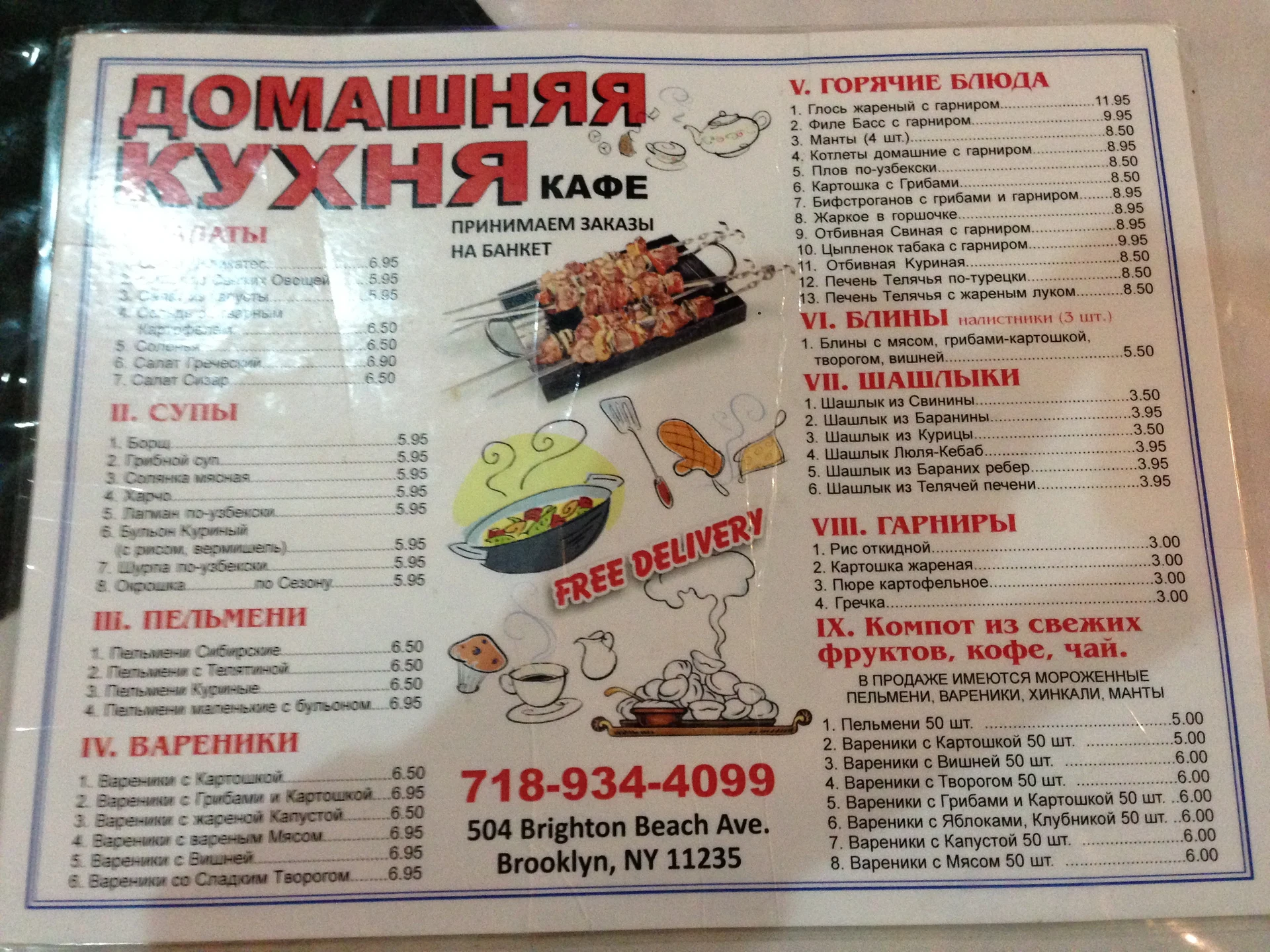
Then we found a place called “Home Cooking.” No explanation needed. After all the skyscrapers and ports, suddenly I was standing in New York looking at a menu I didn’t need to translate.
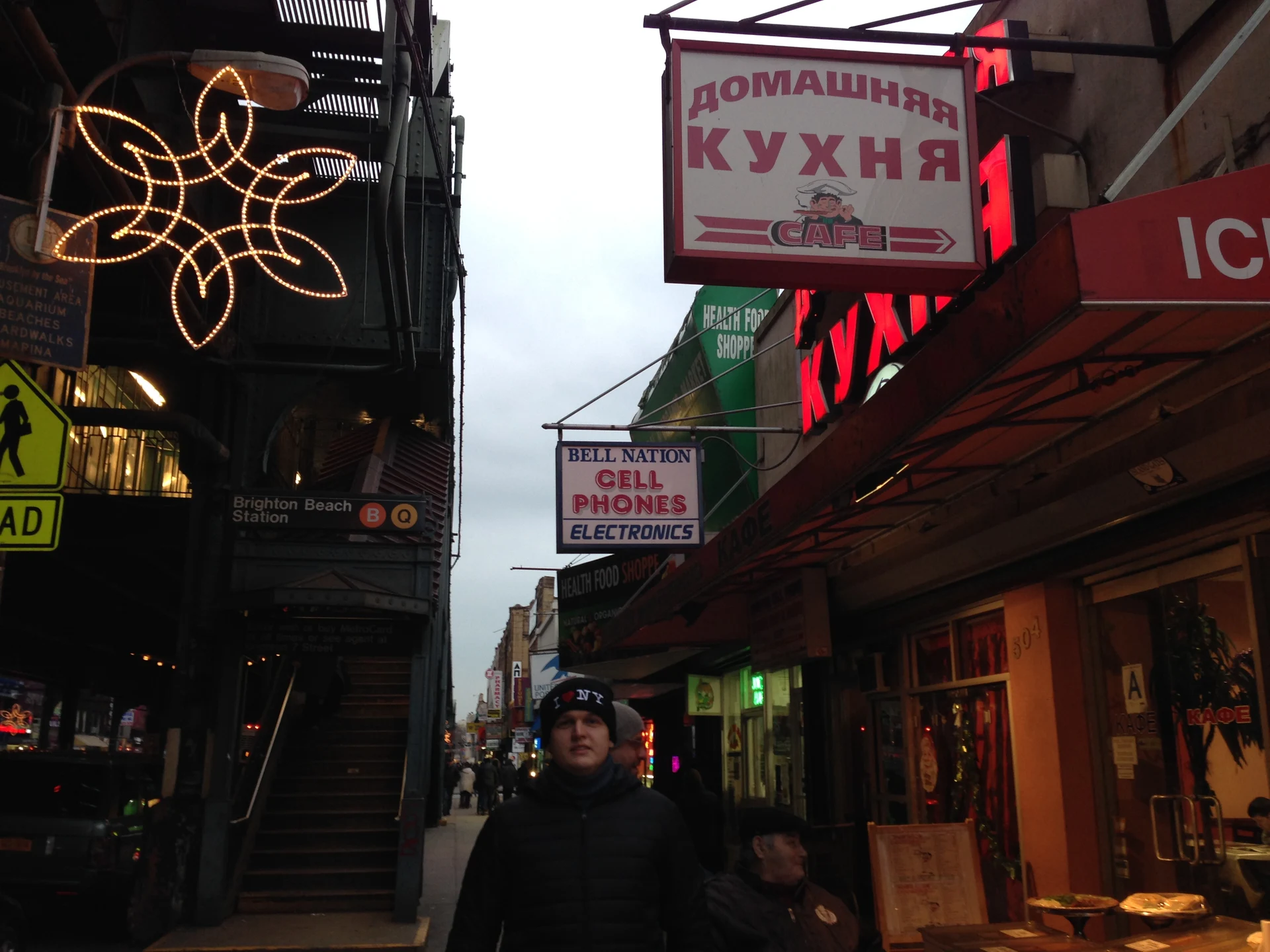
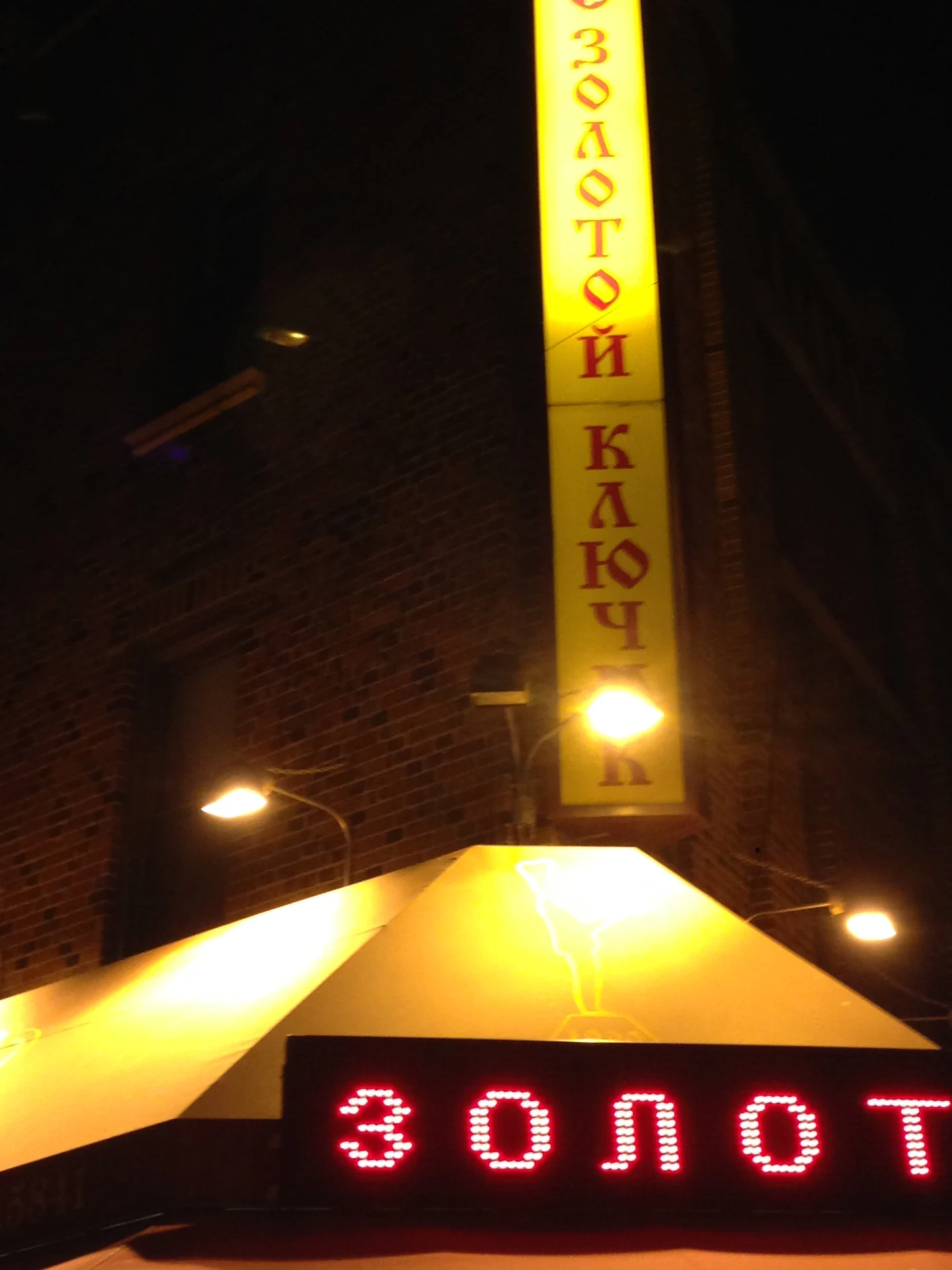
Next came “Golden Key.” Even the name needed no getting used to. Brighton was very good at shortening the cultural distance.
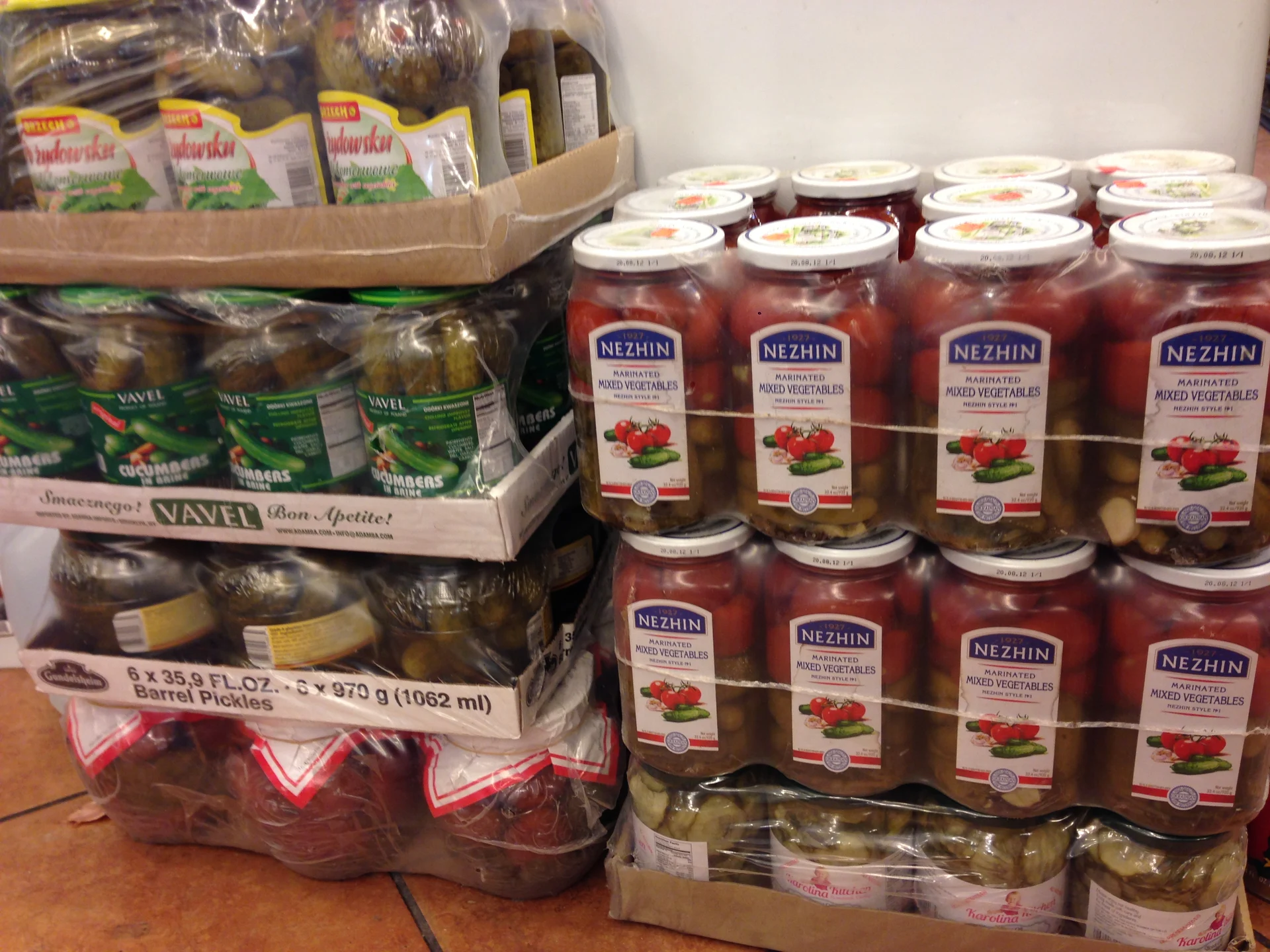
In a shop, I spotted the Nizhyn tomatoes I liked back in Ukraine. So you cross the Atlantic, make it all the way to New York, and discover the tomatoes haven’t been sitting still either.
Nearby were Rosynka drinks, familiar mineral-water bottles, Polyana Kvasova. Not some specially arranged display of nostalgia, just ordinary products on shelves. Strange and comforting to find those little things so far from home.


The City Turns the Volume Back Up
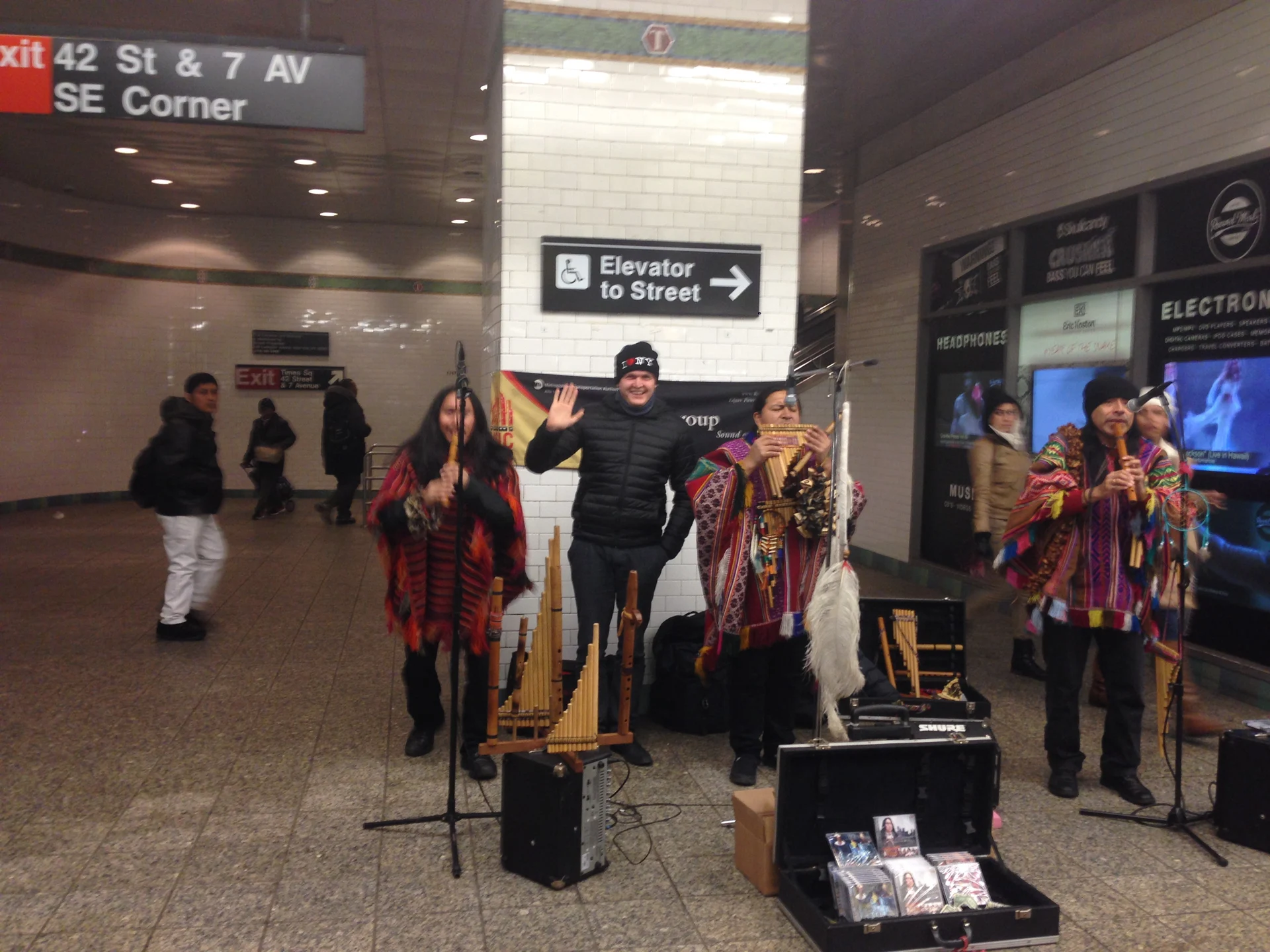
On the way back, musicians were playing in the subway. Melodic music, flutes, a completely different mood in the middle of a passageway. I didn’t know where they were from or what their story was. I just stopped to listen. And thought that somewhere else, this music could have been an event in its own right. Here, you happened upon it between trains.
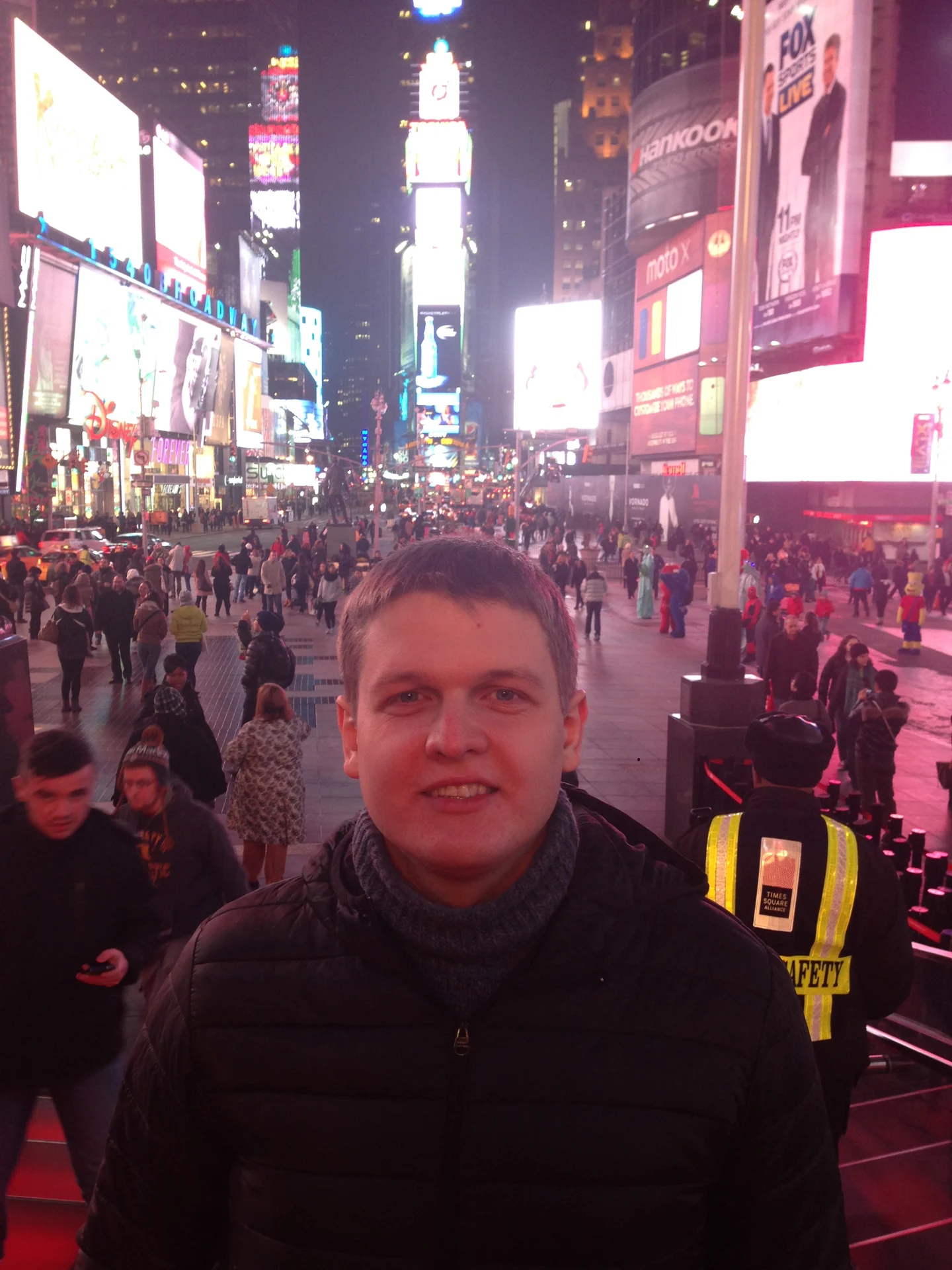
We returned to Times Square. After the ocean and Home Cooking, it was like switching on every screen in the world at once. I also tried on a Teenage Mutant Ninja Turtle mask. New York was gradually taking my wardrobe in the right direction.

Around me, people were rushing, laughing, taking pictures, or clearly here on business. Different languages, faces, and paces. I liked the feeling that everything was happening at once. You didn’t necessarily understand exactly what. But it felt as though you were very close to the center of the action.
The Park, Alice, and a Ukrainian Flag
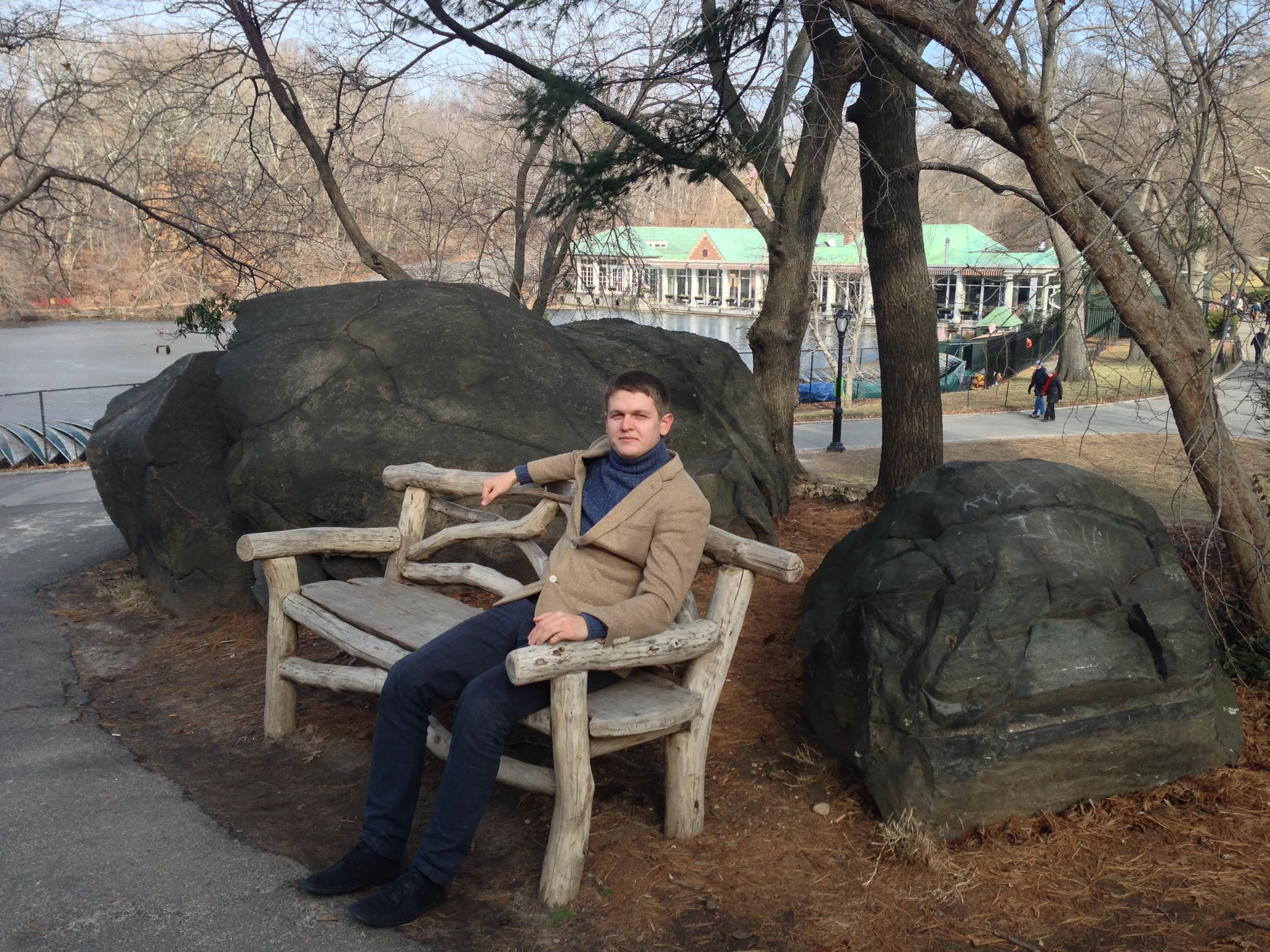
The next day, we went back to Central Park. It’s not somewhere you can really tick off in one visit. And why would you want to? After all the city’s movement, it was nice simply to sit on a bench and stop following the tourist itinerary for a while.
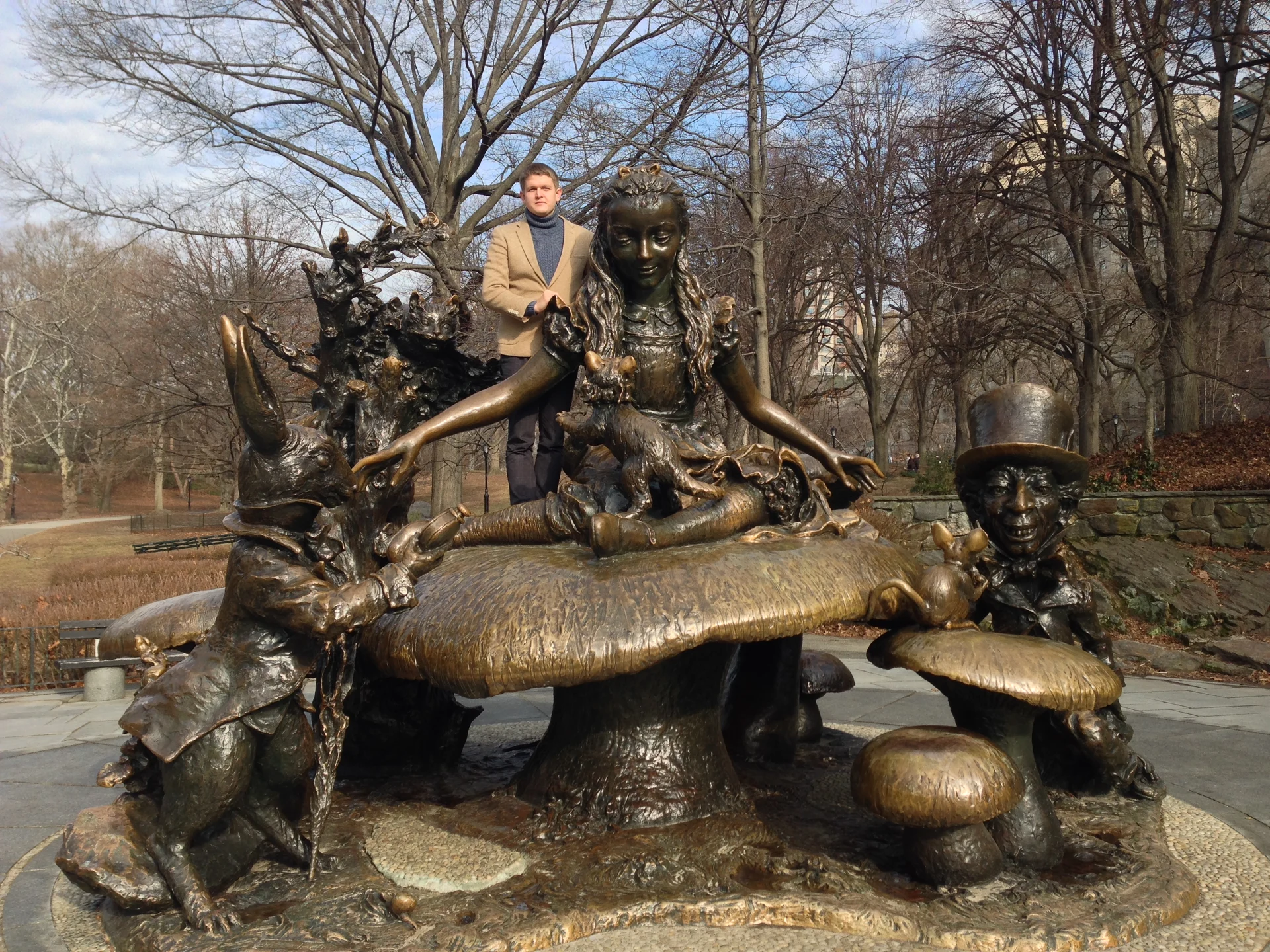
Admittedly, I didn’t sit still for long. We found Alice in Wonderland, and I climbed onto the sculpture. José de Creeft’s composition was installed here in 1959 as a gift to the city’s children. Children of various ages, apparently. I fitted into Wonderland without much trouble.
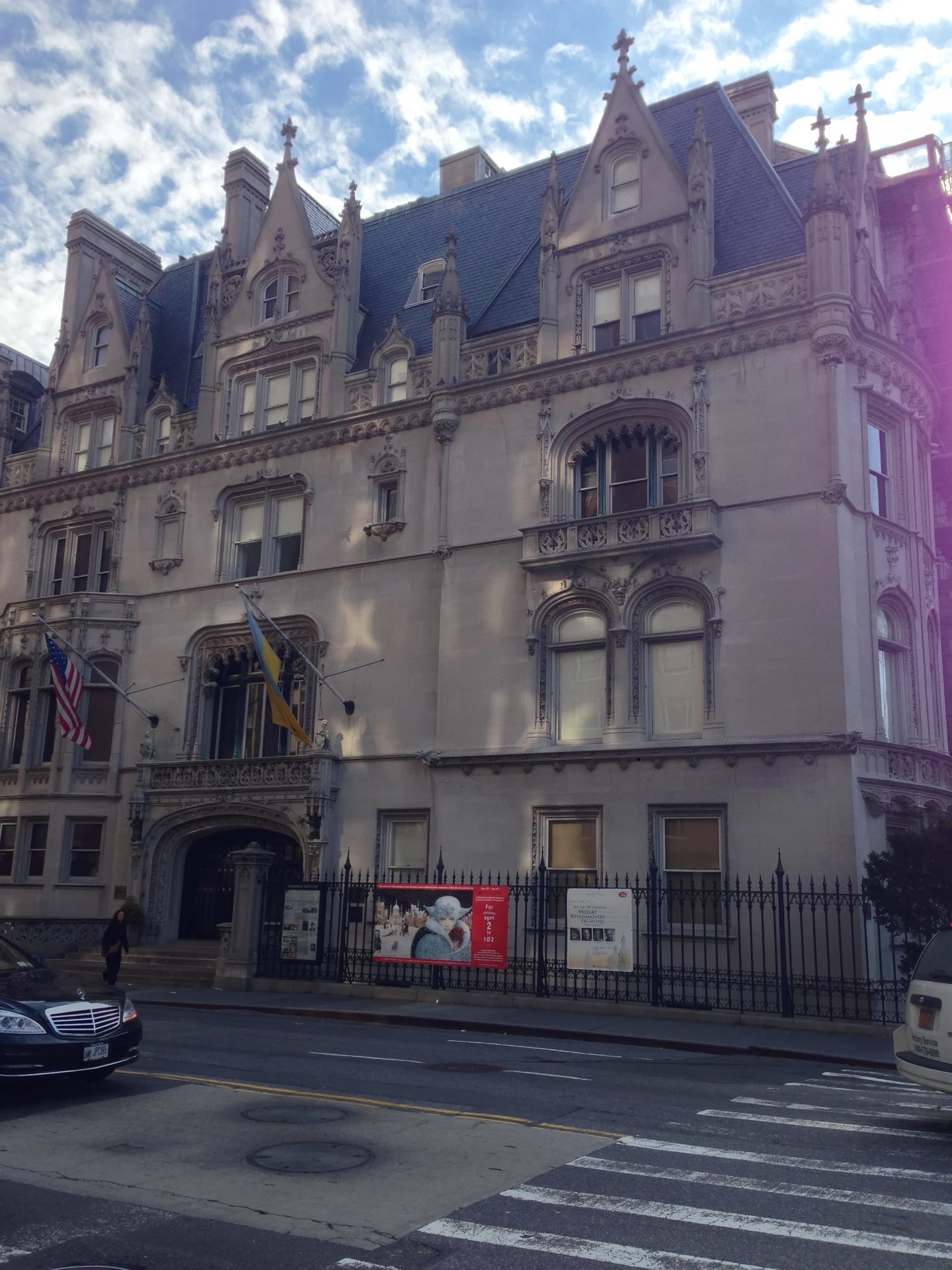
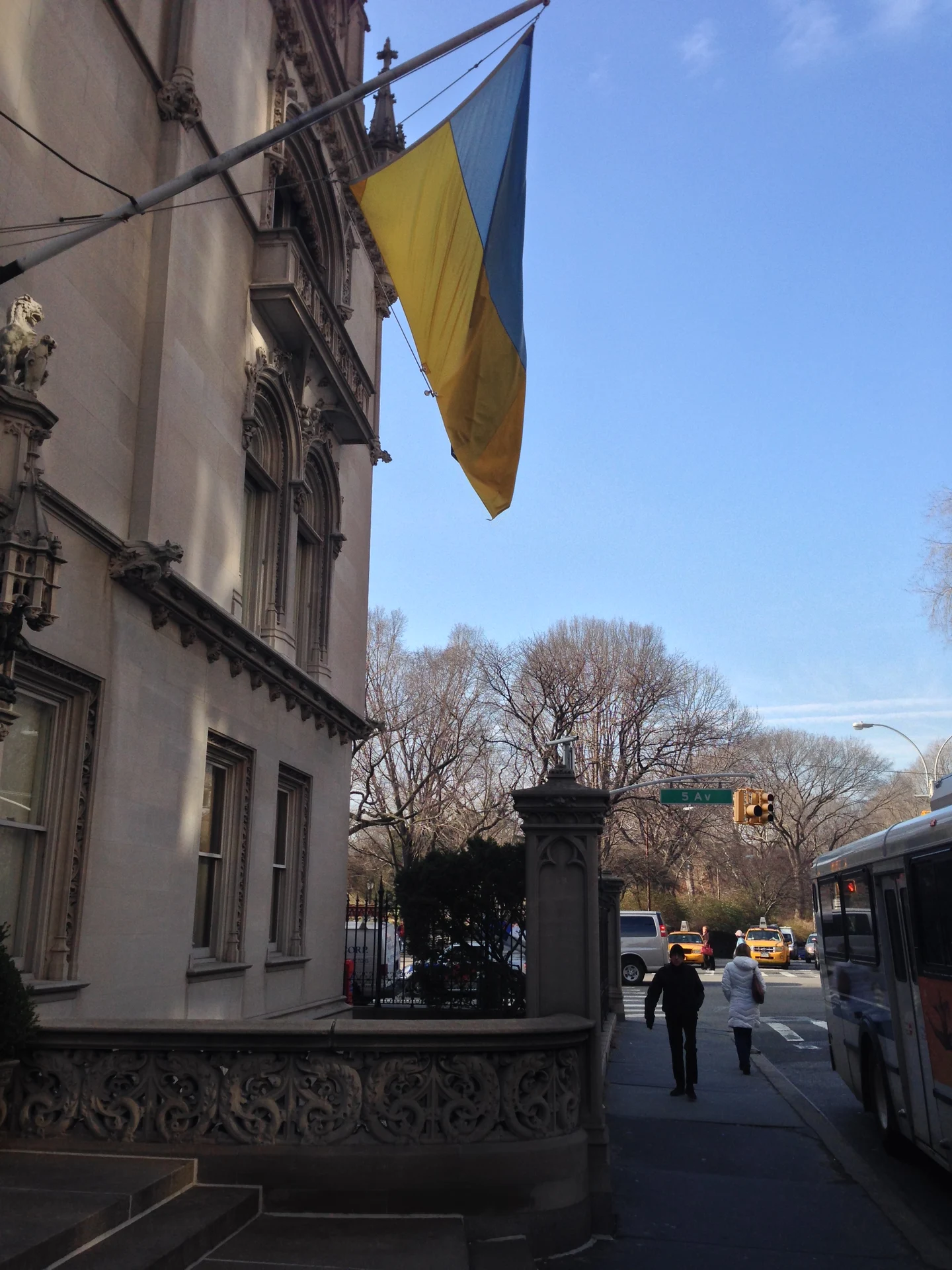
Nearby, I suddenly spotted a Ukrainian flag. I hadn’t expected it, which made it even nicer. This was the Ukrainian Institute of America, not an embassy: a beautiful building on Fifth Avenue, with the American flag and ours side by side. In a big, unfamiliar city, a discovery like that immediately feels a little personal.
The Met: What We Leave Behind
I really wanted to visit the Metropolitan Museum of Art. One of the world’s best-known museums, an enormous collection, different eras and cultures under one roof. I liked not just looking at beautiful things, but trying to understand the people who made them and the lives those objects had been part of.
This journey through time began in Egypt. Statues, faces, symbols, shapes familiar from books. Only here, you’re not looking at an illustration. Thousands of years separate you from the person who made it, yet the object itself is right beside you.
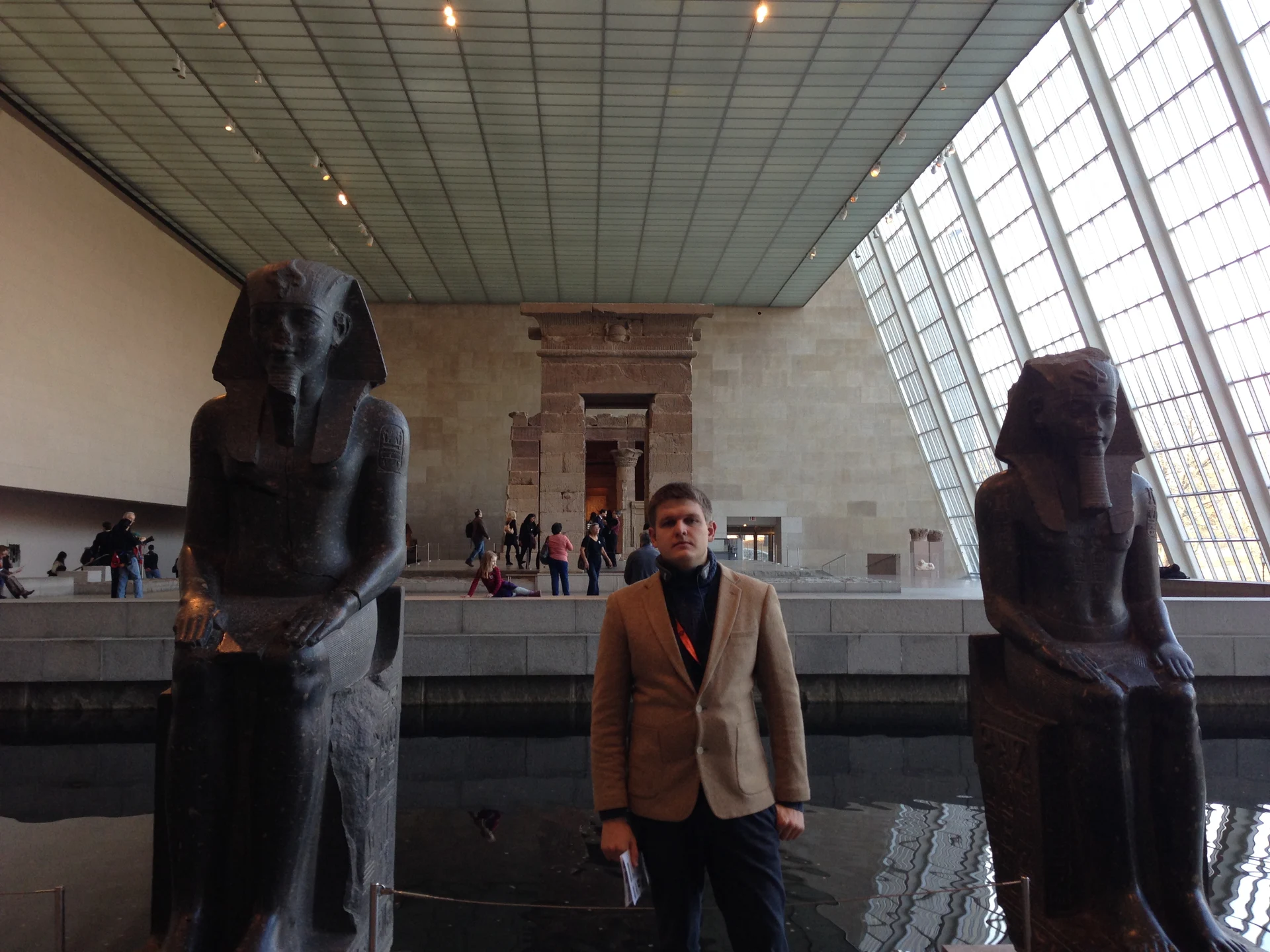
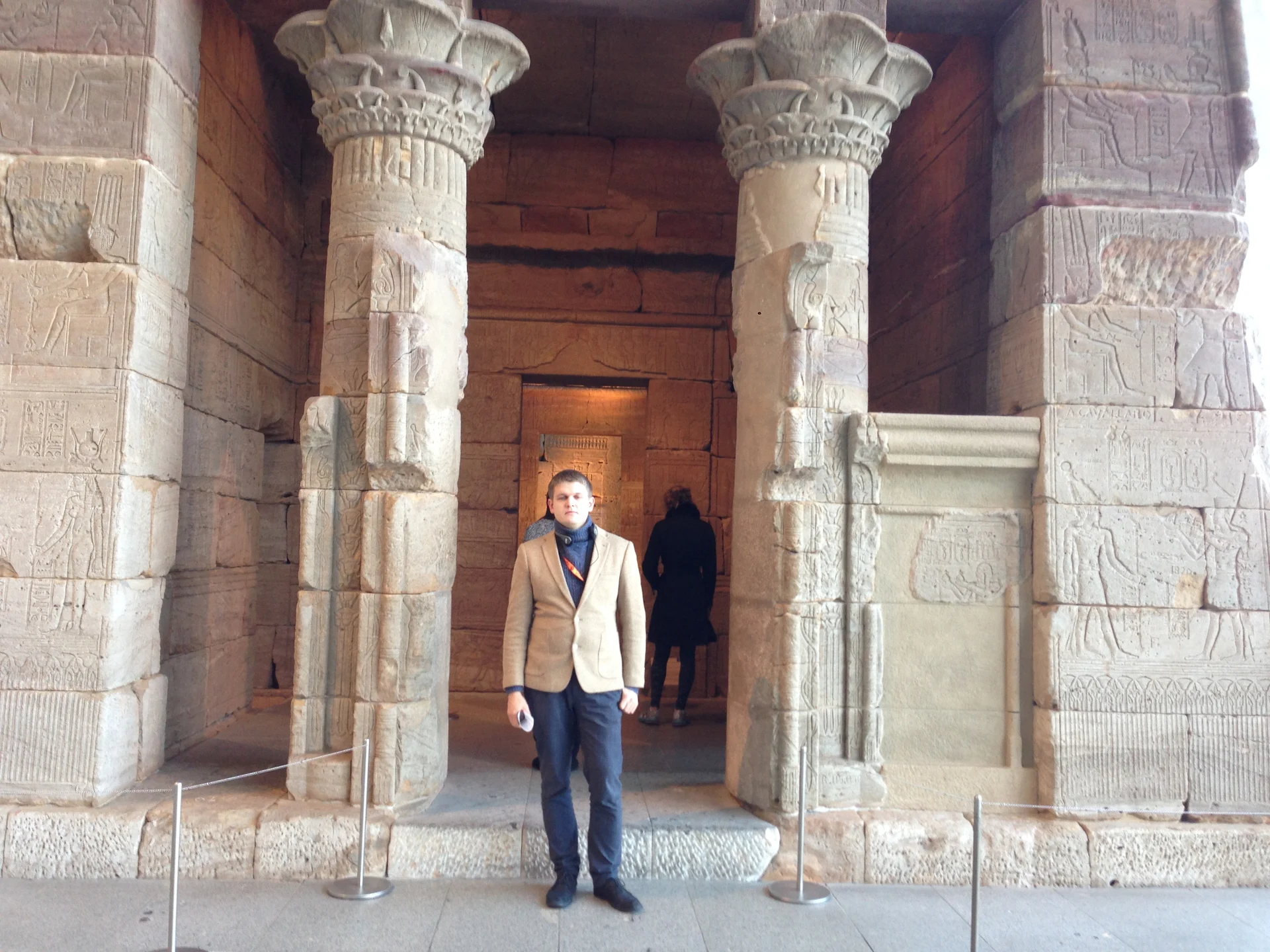
The Temple of Dendur looked particularly extraordinary: an actual ancient Egyptian temple inside a modern museum space. Outside is a completely different city, another continent, another life. And here it is.
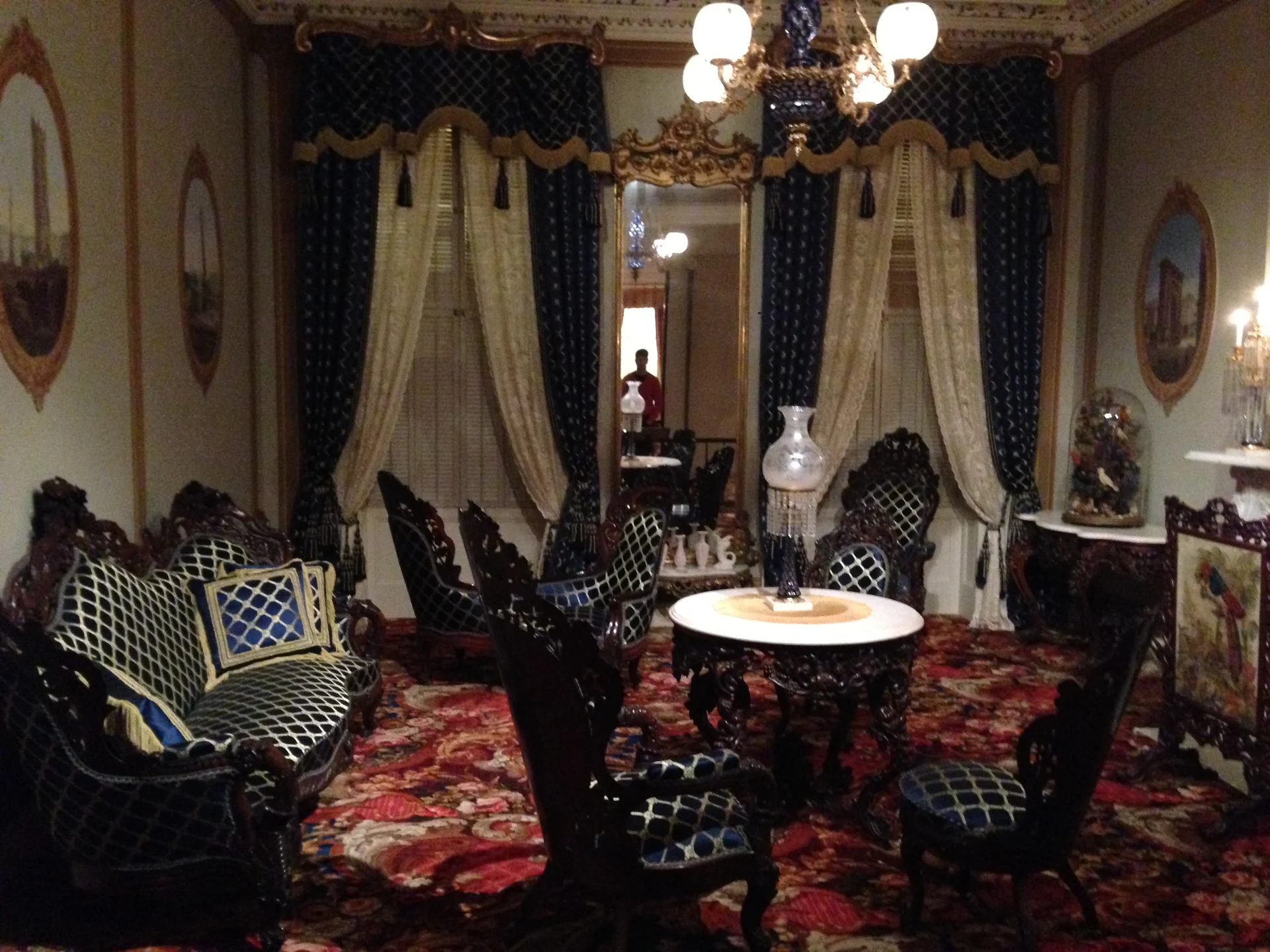
Then came different galleries, interiors, furniture. In rooms like these, I enjoy looking beyond the craftsmanship and imagining everyday life: what someone else’s “home” looked like long before ours.
The golden archer caught my attention too. This is Diana by Augustus Saint-Gaudens, not an ancient statue, although that’s where the figure comes from. Her larger predecessor once served as a weather vane on the old Madison Square Garden. In New York, even a museum goddess can turn out to have a connection to a sports arena.
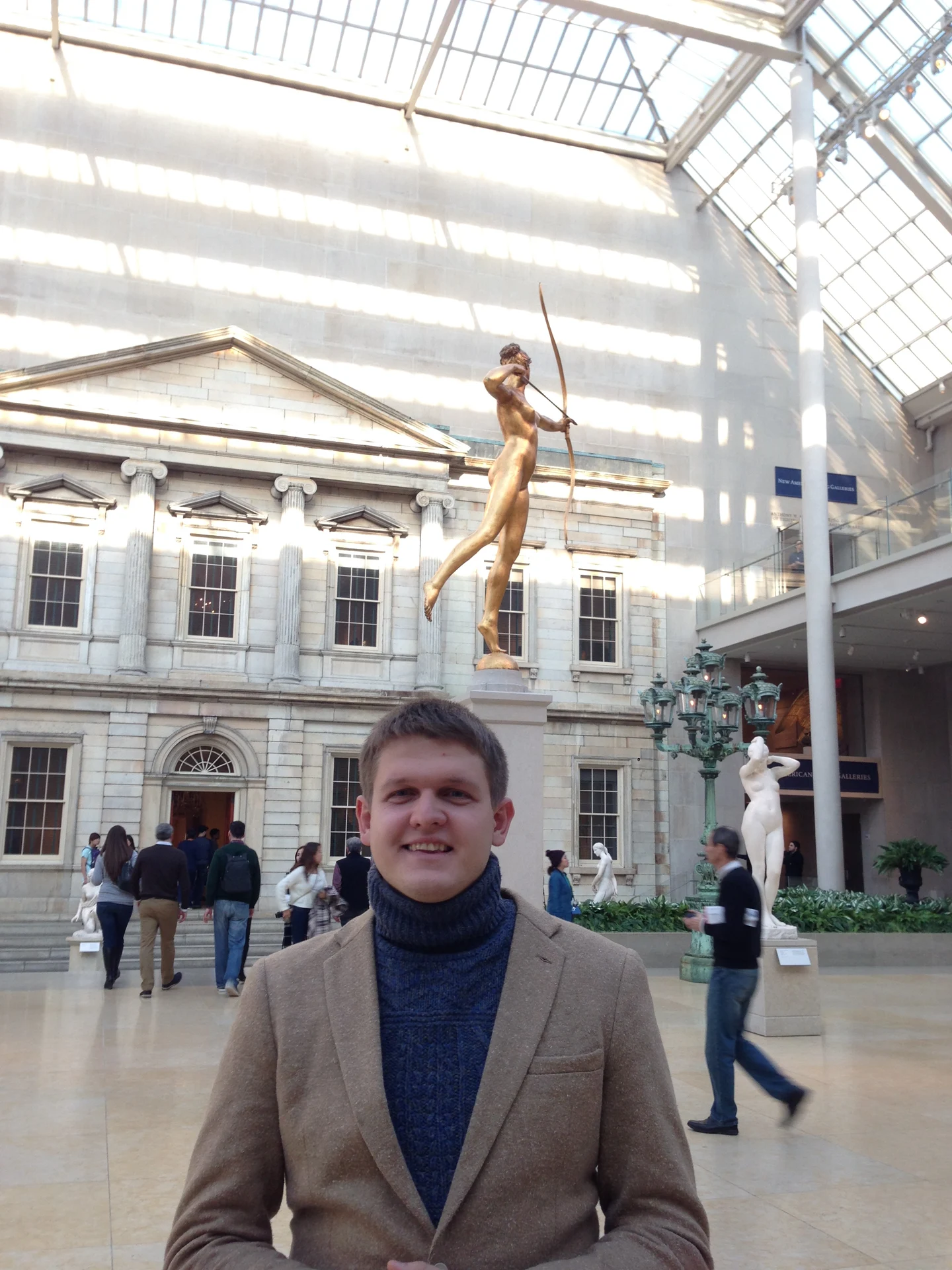
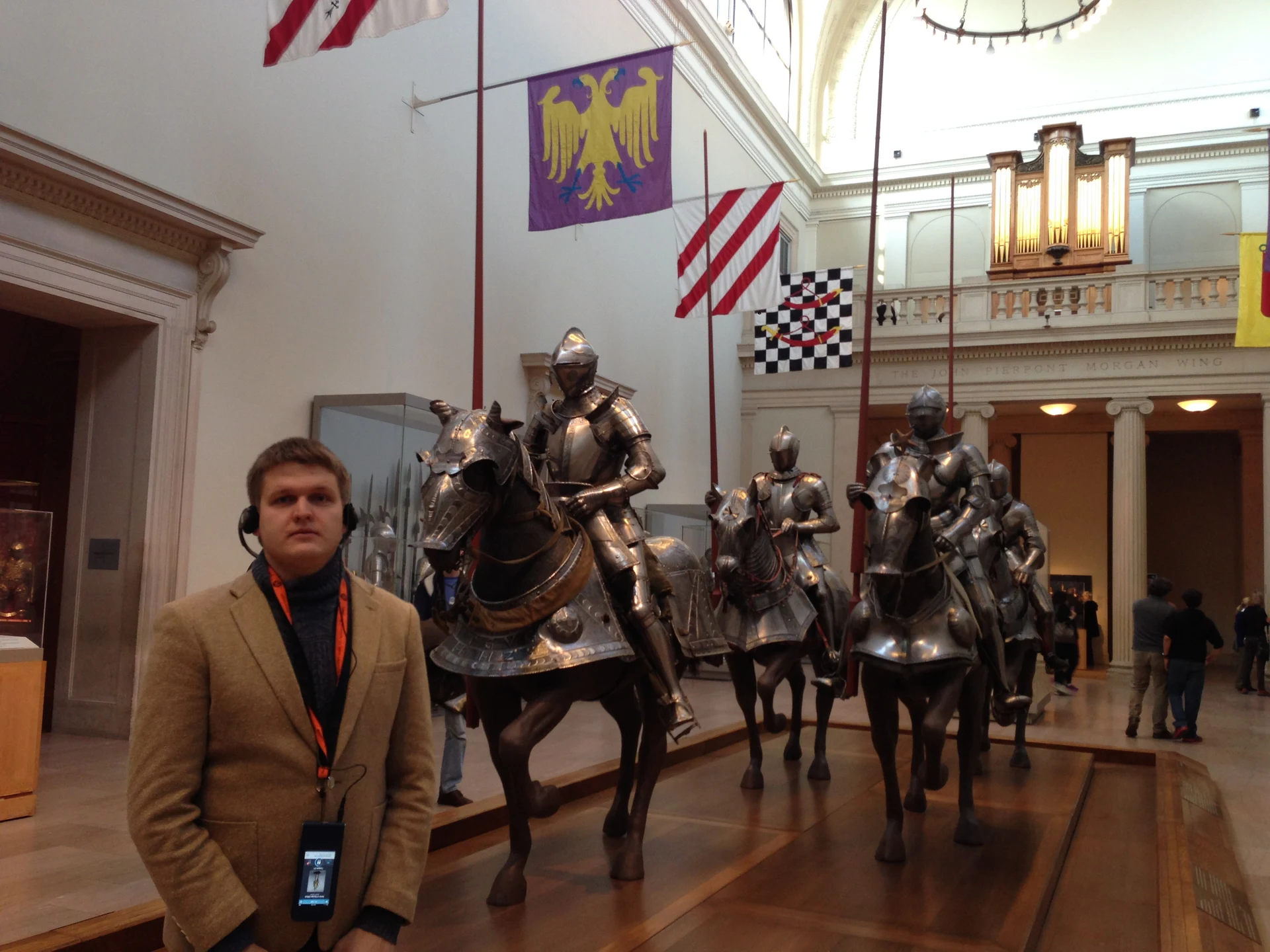
I spent a good while with the armor. Knights, horse armor, weapons. You can see how much skill went into things that people’s lives literally depended on. And how much attention went into making sure a well-protected person also looked convincing.
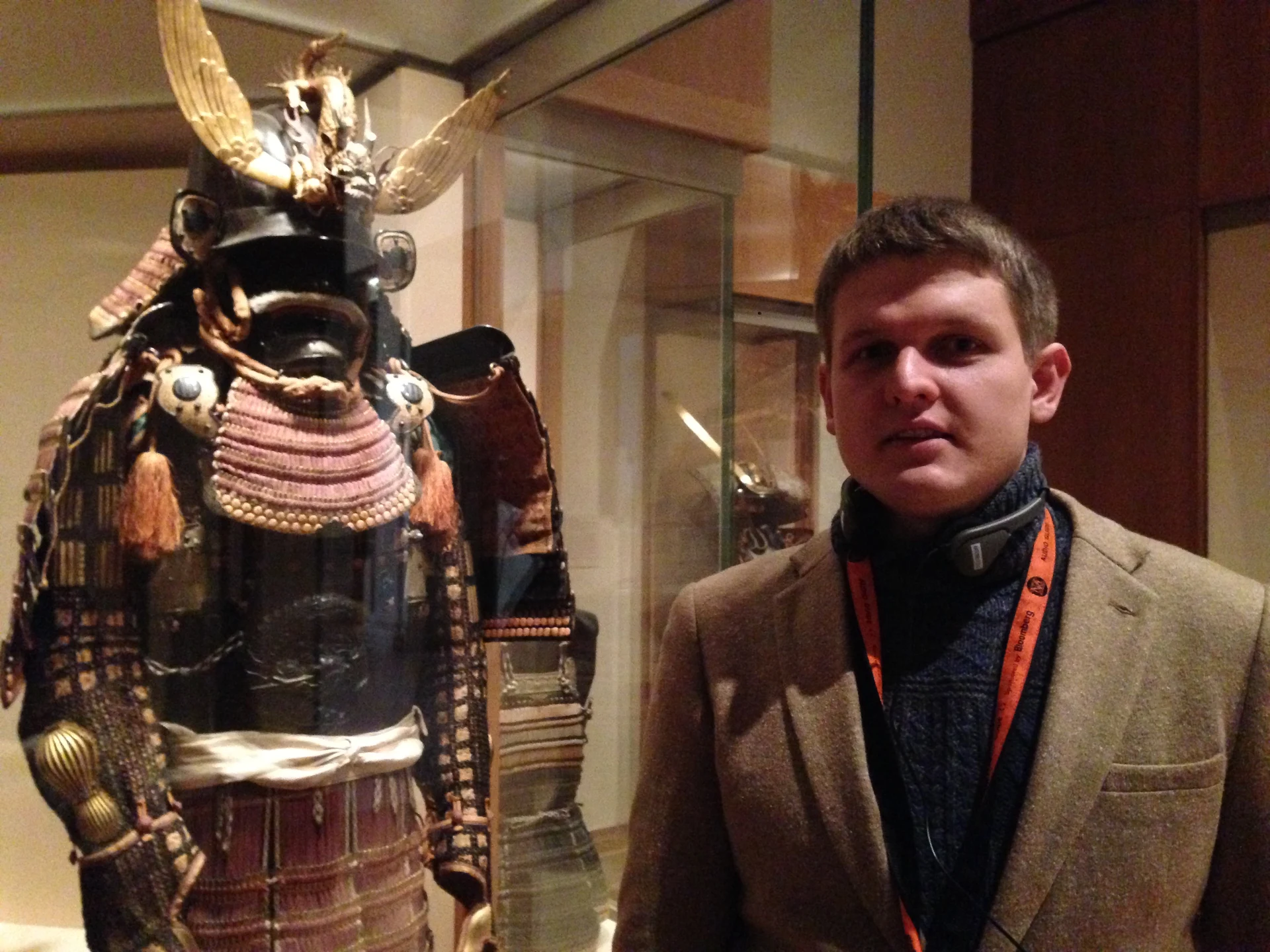
The Japanese armor had a completely different aesthetic. The same basic task, but another culture, other shapes and details. Looking at a suit of samurai armor, you can understand why these images have survived their own era so well.
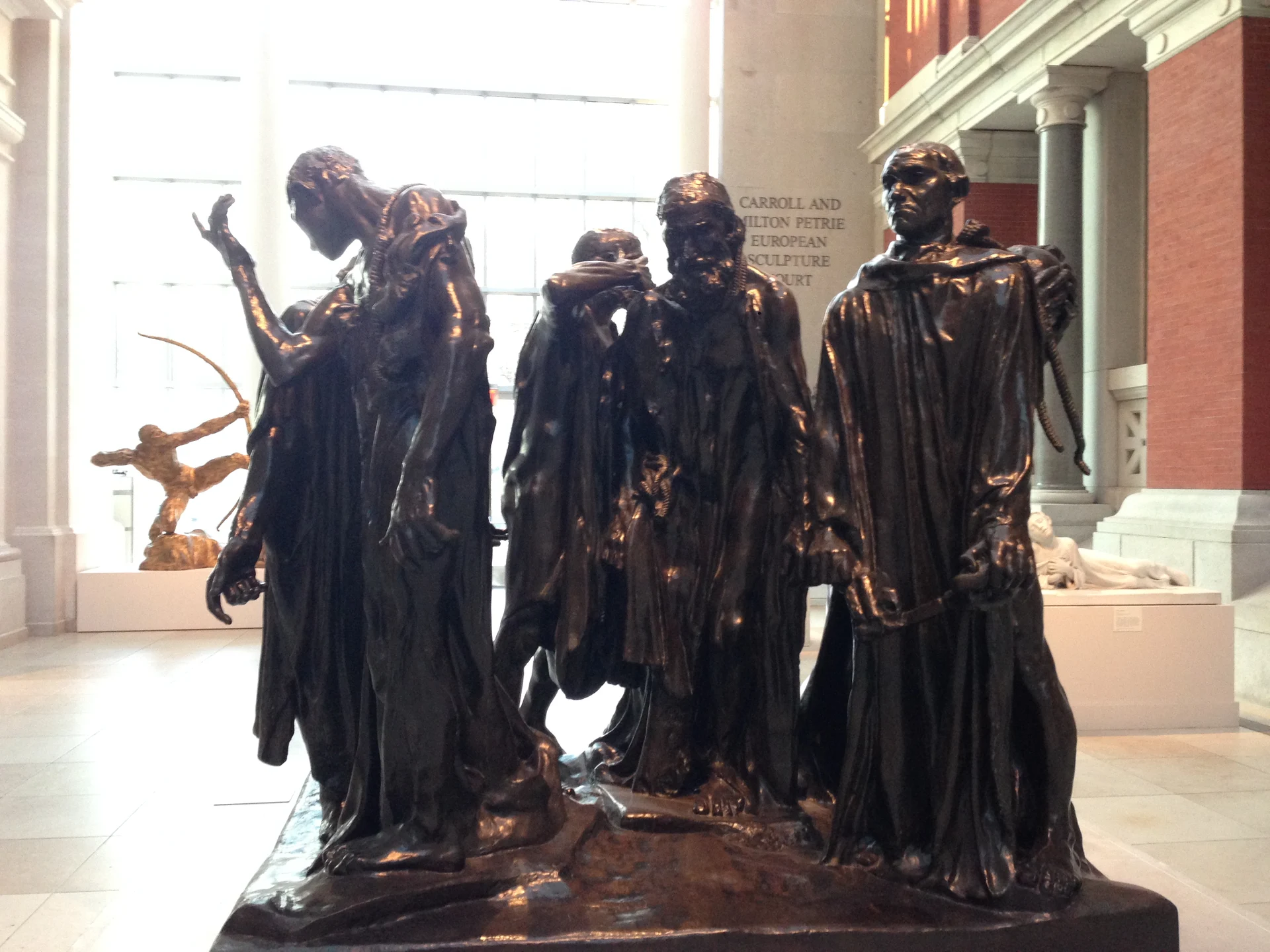
Rodin’s Burghers of Calais stops you for a different reason. Six men who, in the story behind the work, agreed to give themselves up as hostages to save their city during the siege of 1347. Not victors in ceremonial poses, but people facing a difficult decision. The sculpture was made long after the event itself, but you don’t need a textbook to read the tension in it.
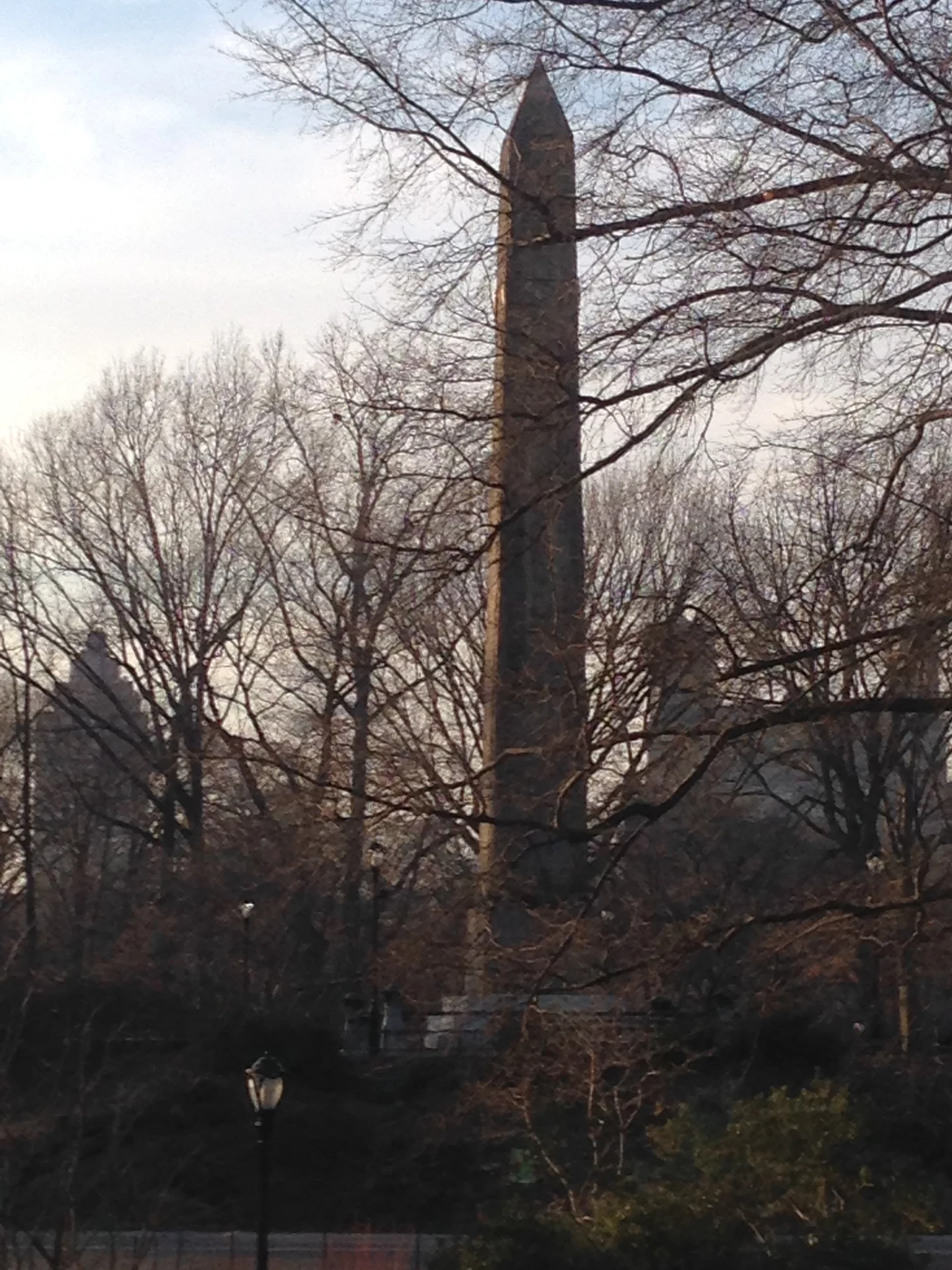
The Egyptian obelisk known as Cleopatra’s Needle also came into this museum visit. The obelisk itself stands outside, in Central Park. The name is slightly misleading: it is much older than Cleopatra, dating to the reign of Thutmose the Third. It arrived in New York in 1881. This city knows how to gather very different timescales around itself, too.
Then I was standing in front of Van Gogh’s self-portrait in a straw hat. The artist looks out of the painting; I look back at him. A fairly simple situation, if you don’t think about everything that has happened between us.
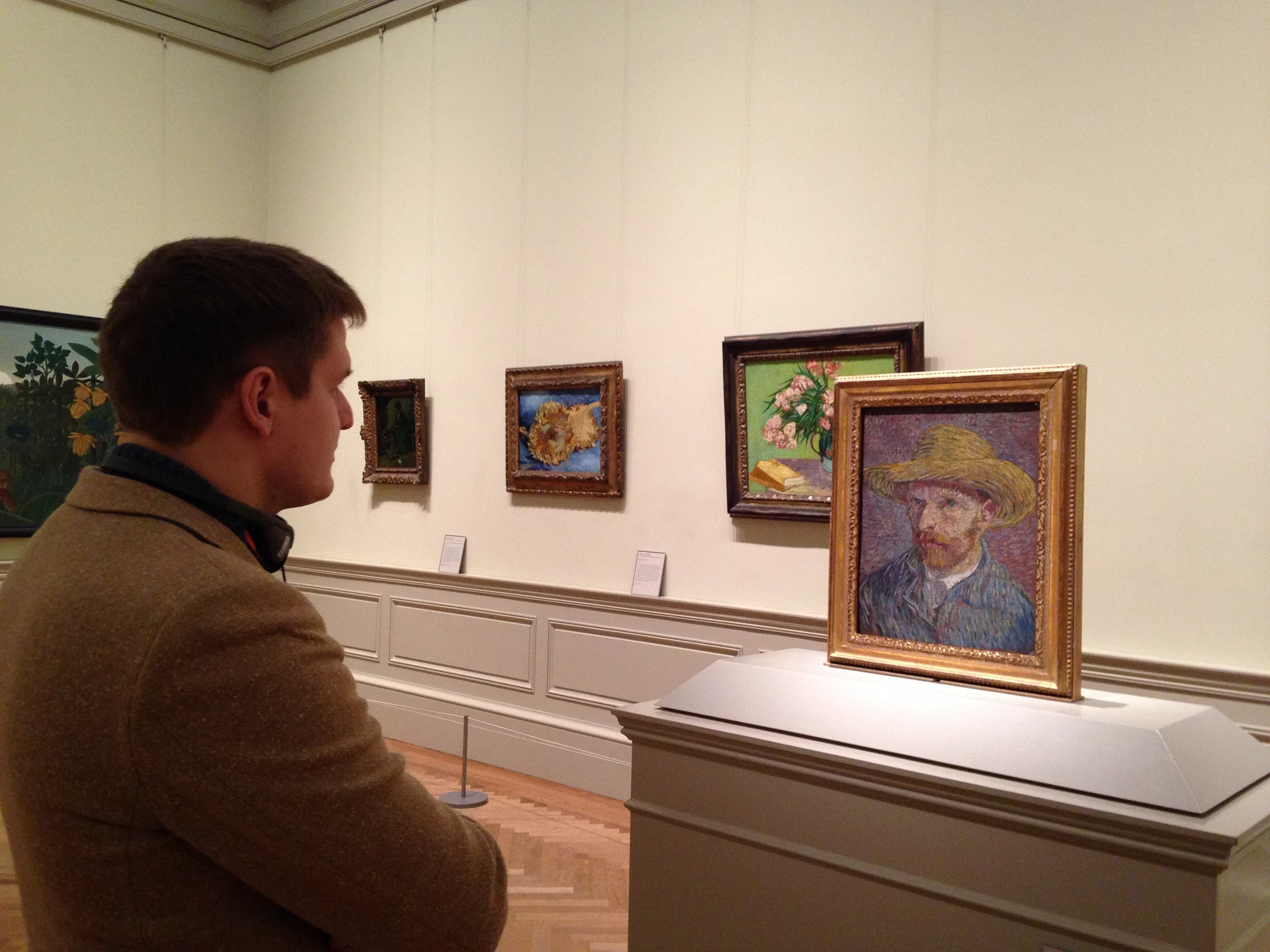
Encounters like that brought up a question I wrote down at the time: what would my work have to be like to leave a trace hundreds of years from now? Not necessarily a portrait in a museum. But something that keeps working, stirs an emotion, or remains useful to people I will never meet.
I looked at the artists and tried to understand why some are remembered and others aren’t. A few things stood out to me. First, the ability to say something people can understand and care about. Second, a level of skill that comes not from one inspired evening but from persistent work. And then the courage to do things your own way, rather than simply repeat what is already accepted.
This wasn’t a formula for immortality I’d discovered in a museum. More a set of questions for myself. At the time, I was also thinking a lot about my own internet projects, about building a strong team, programmers, designers, and the quality of what I was doing. And here were people whose work, without a single presentation, had raised the standard of the conversation.
Wall Street: From the Trading Screen to the Street
The following day, I went to the Financial District. For me, this wasn’t just another famous location. I’d been trading American stocks, including on the NYSE and Nasdaq, since 2009. Doing that from Ukraine wasn’t such a common occupation back then. So Wall Street meant something very specific: the names, quotes, companies, and market I’d followed on a screen suddenly had an address, facades, and a sidewalk under my feet.
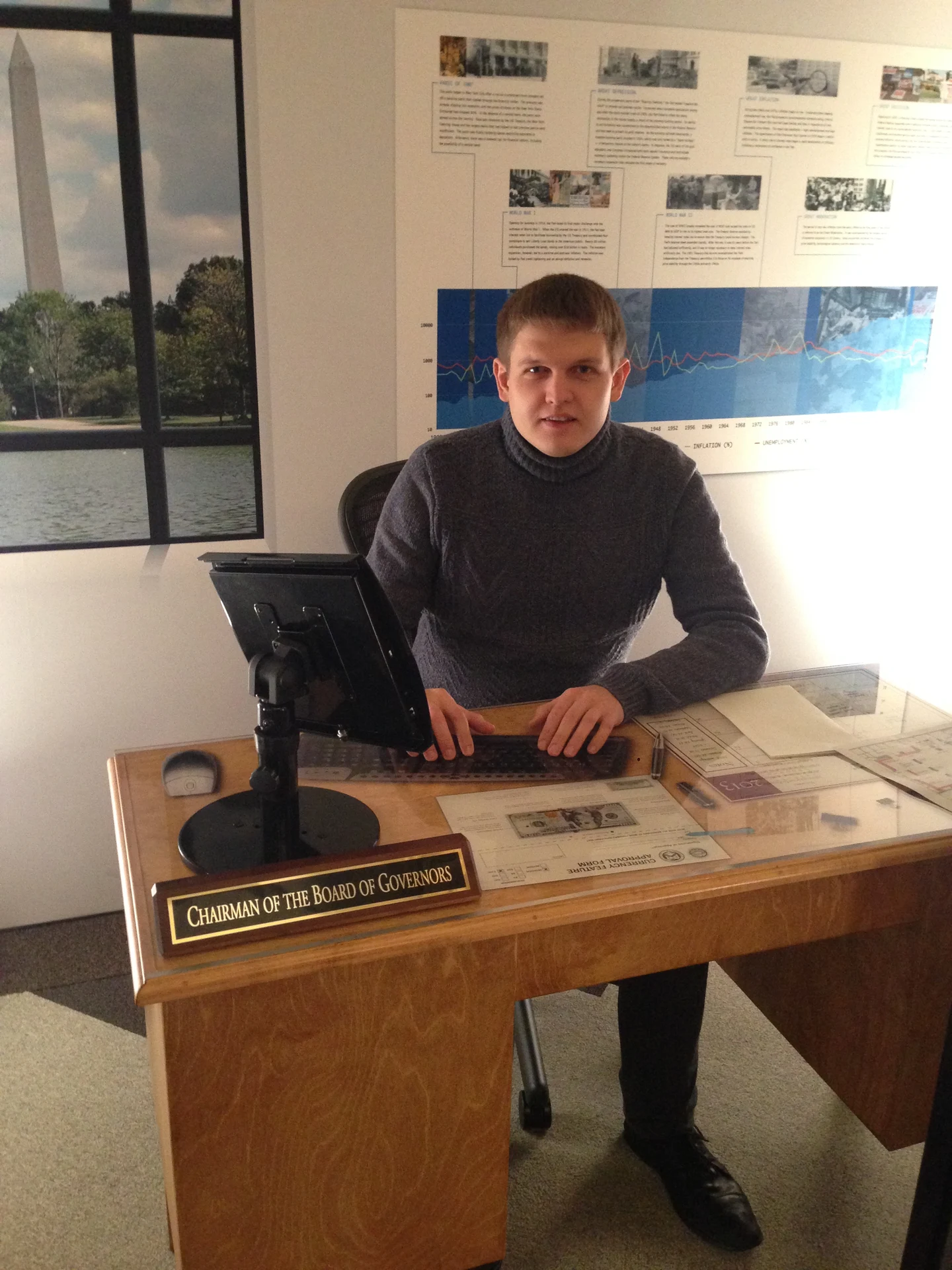
At the Museum of American Finance on Wall Street, in a former Bank of New York building, I also found an opportunity for career advancement. I sat in the Fed chair’s seat. Finally, a job to match my ambitions. Admittedly, the chair was part of a museum reconstruction, so interest rates remained safe that day.
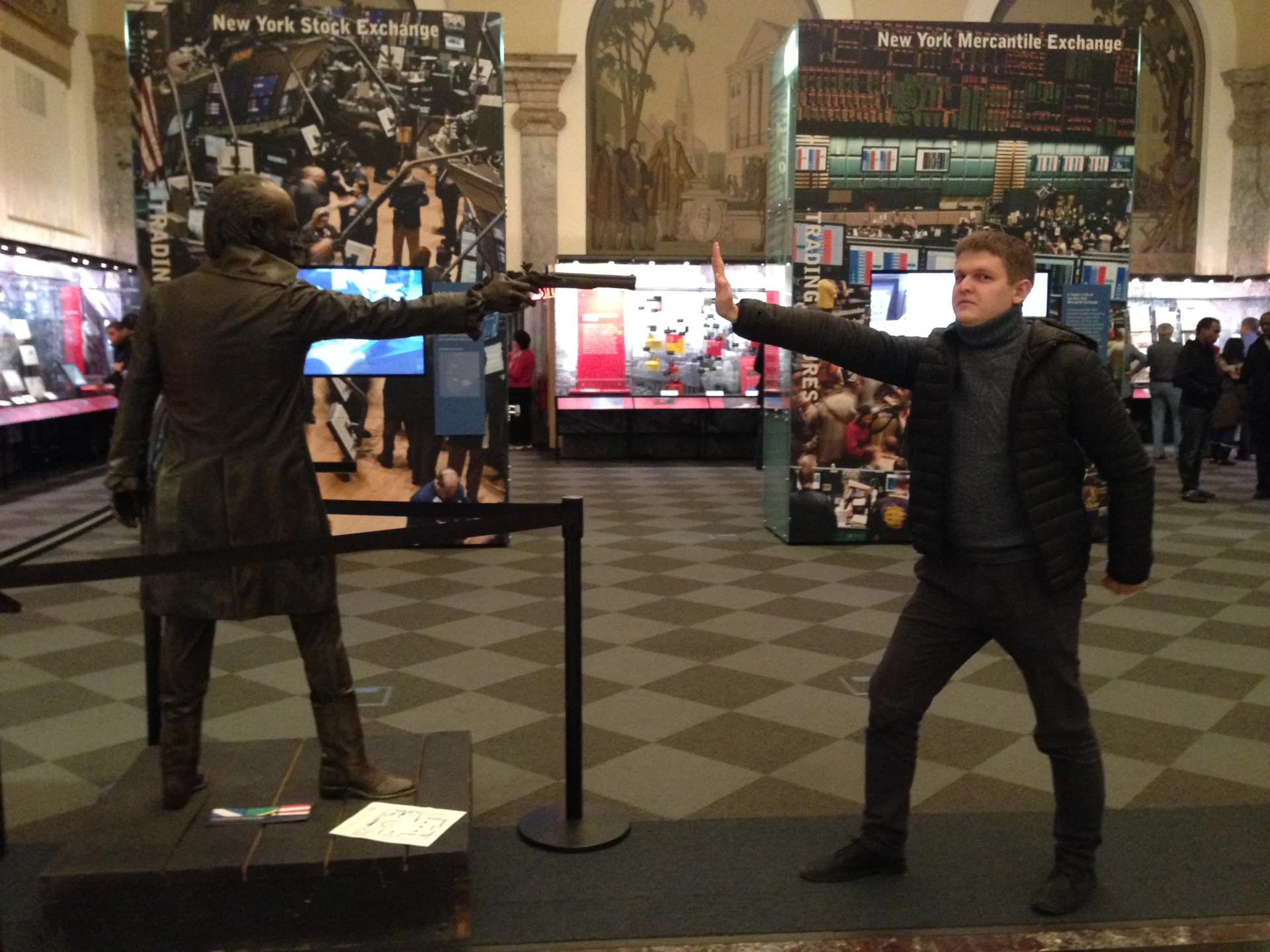
At another exhibit, I tried to stop a bullet. This was the story of Aaron Burr’s duel with Alexander Hamilton in 1804. Hamilton, the first U.S. Treasury secretary, was fatally wounded. An unsettling juxtaposition: a man who helped build the country’s financial system, and such a personal, physical end to a political conflict.
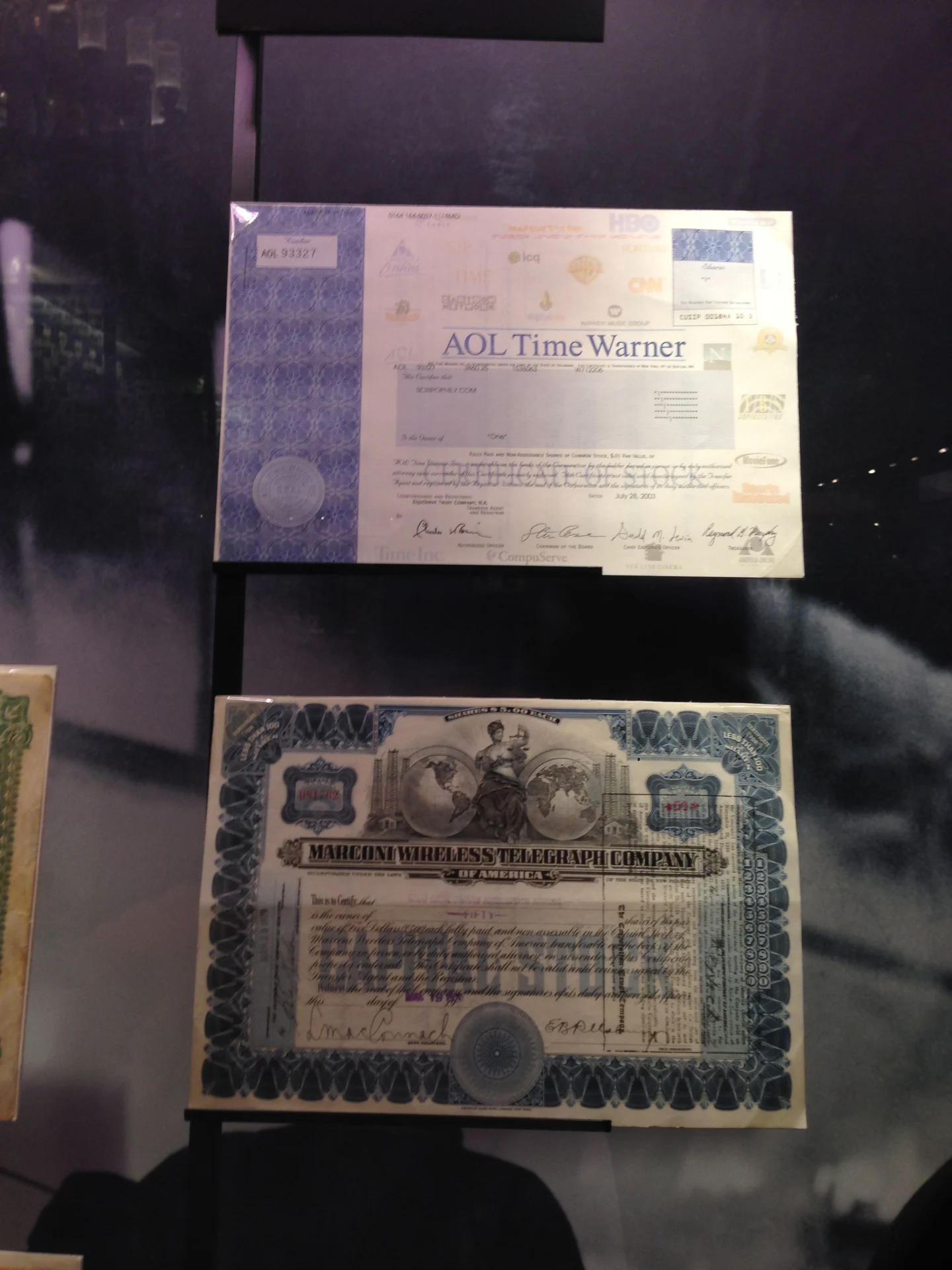
Next, I looked at old securities. Stock certificates, company names, signatures, elaborate designs. When you’re used to seeing a position as a number in a trading terminal, it’s interesting to remember that a claim to a share of a business once had this physical form too. It was a document you could hold in your hands, not just a line on a screen.
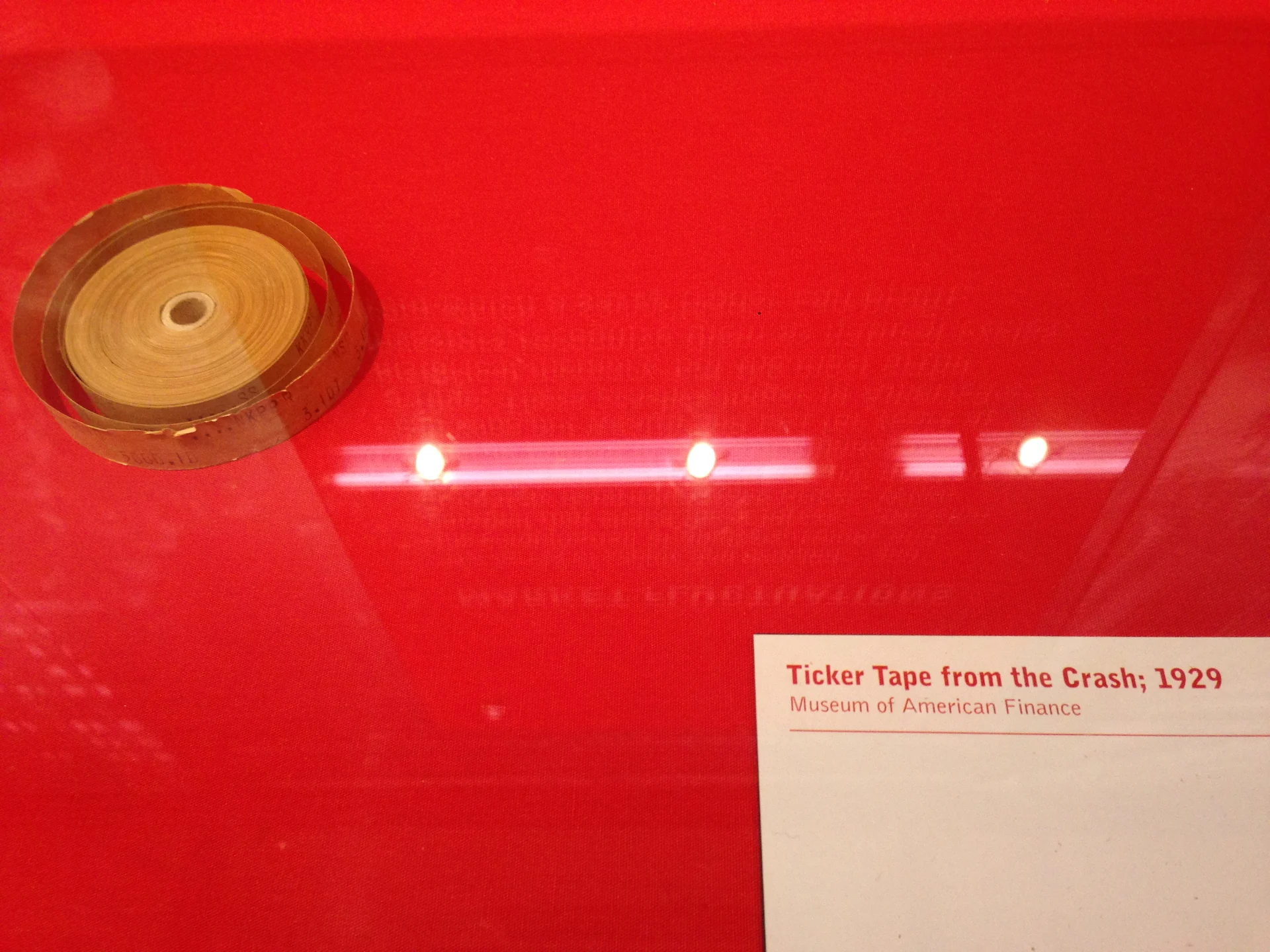
The exhibits about market crashes particularly struck me. Ticker tape from 1929: market information literally came out of a machine on paper. Today, you get nervous if a quote is delayed for a moment. Here was a completely different speed for transmitting the same human anxiety.
A newspaper dated October 25, 1929, carried the headline “Stock Market Crisis Over.” Another newspaper from that very same date announced: “Billions Lost in Wall St. Debacle.” One day, two very different headlines. This was after Black Thursday, but before Black Tuesday. Looking at those headlines when you already know what comes next, you get a very clear sense of the difference between a confident headline and confidence you can actually rely on.
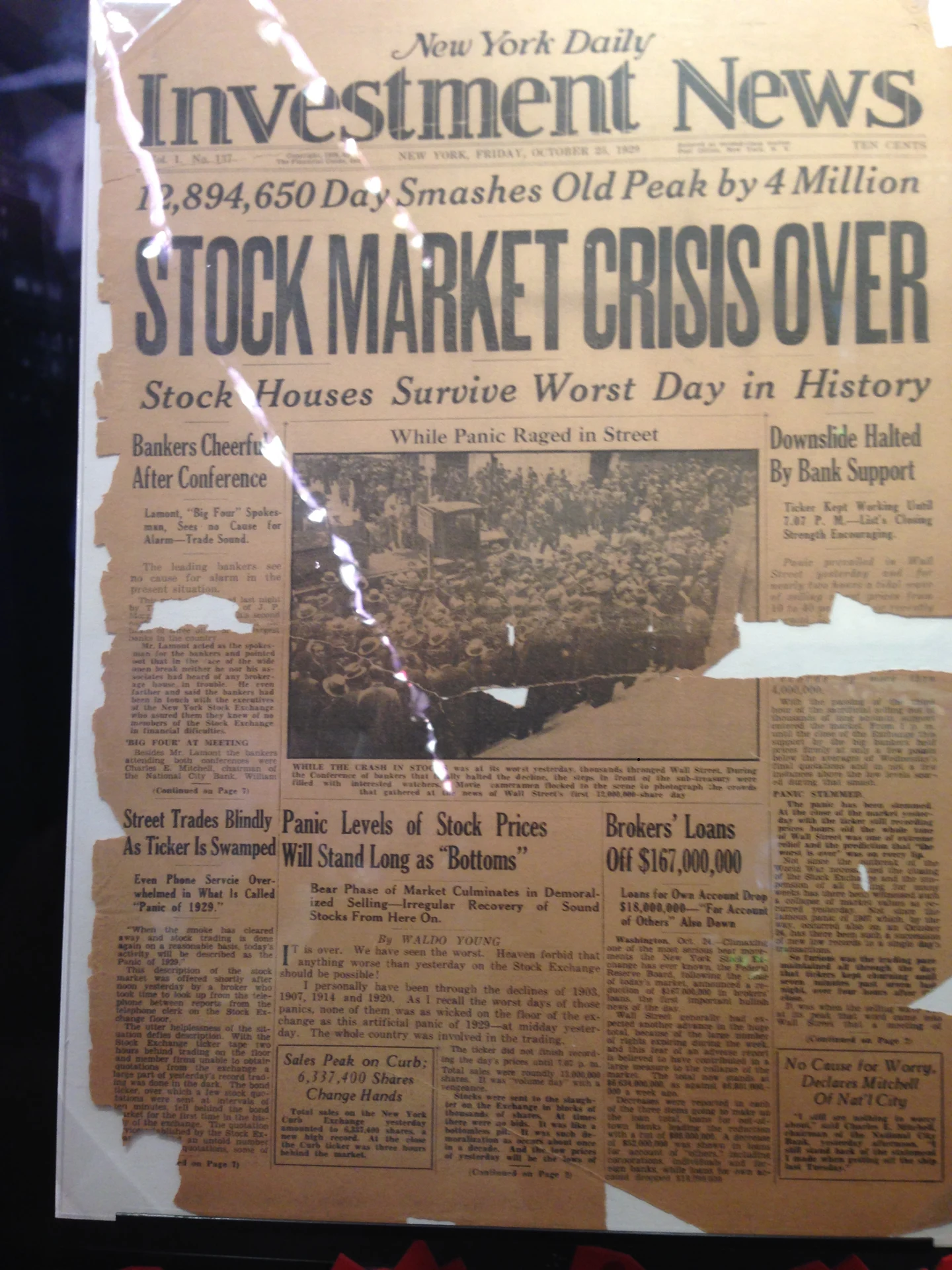
The crash of 1929 doesn’t explain the entire Great Depression through a single stock-market collapse. The downturn had already begun, and banking panics and other problems later deepened it. But for the market, it remains one of the most important lessons in what happens when prices, credit, and confidence begin to unravel together.
It also makes the rules interesting to look at. The Securities Act of 1933 established requirements for disclosing material information in public securities offerings and combating fraud. The 1934 act created the SEC and a framework for overseeing exchange trading and market manipulation. Those are different layers: what a company must tell an investor, and the rules under which its securities are then traded. The laws have changed since, but those foundations remain.
None of those rules promises that stocks won’t fall. Nor should it. Business risk and price movements don’t disappear. But there is a fundamental difference between a risk you choose to take and a game in which important information has been withheld from you or the rules have been rigged.
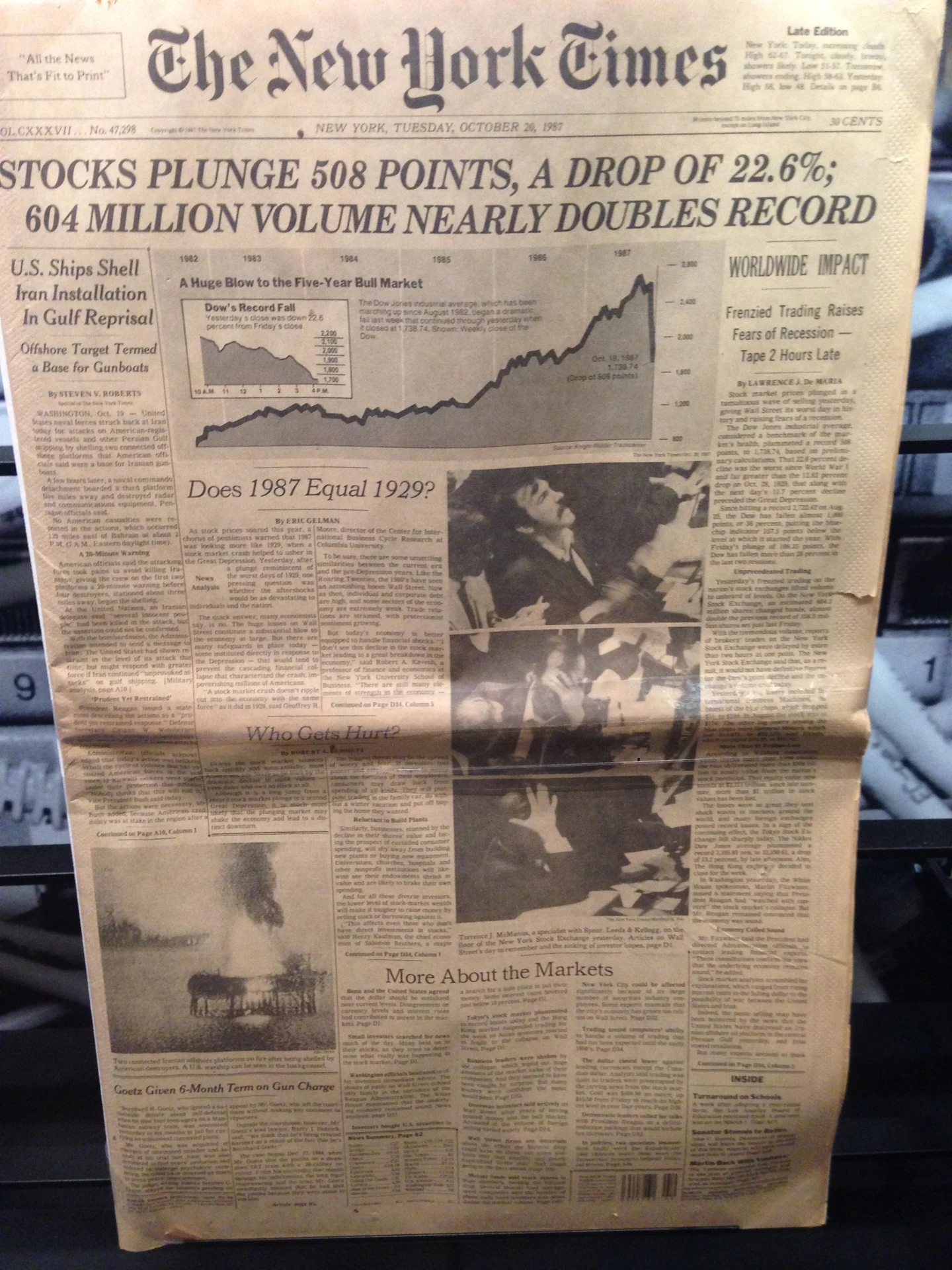
Nearby was a newspaper about Black Monday in 1987. The Dow Jones lost 22.6 percent in a single day. Not a year. A day. Every so often, the market reminds you that having an elegant model in your head isn’t enough to control everything that might happen.
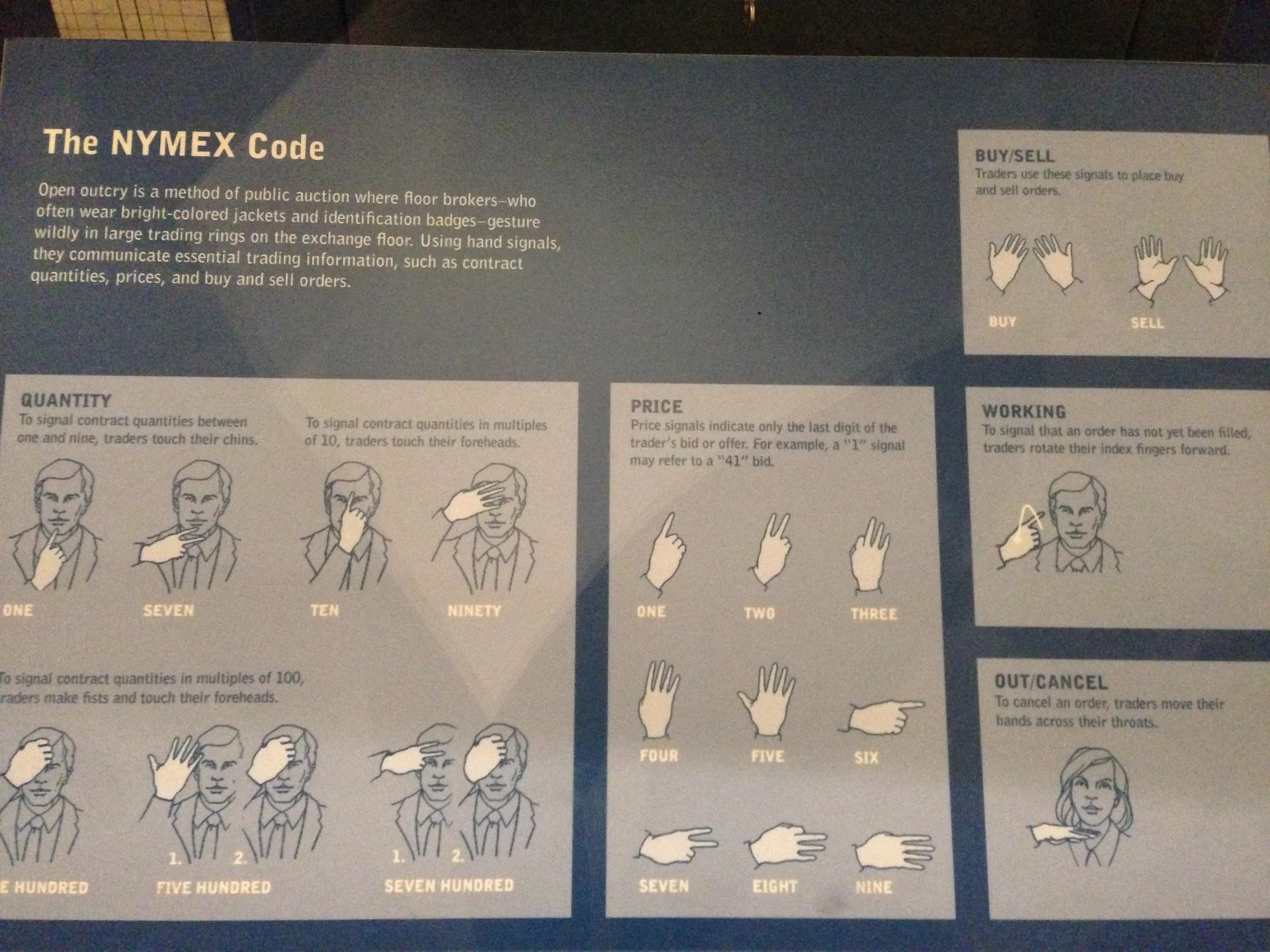
There were old trading technologies, too, and explanations of the hand signals NYMEX traders used to communicate orders on the floor. From the outside, it could look like a very heated argument. Within the system, every movement means something. An interface from before the interface we’re used to.
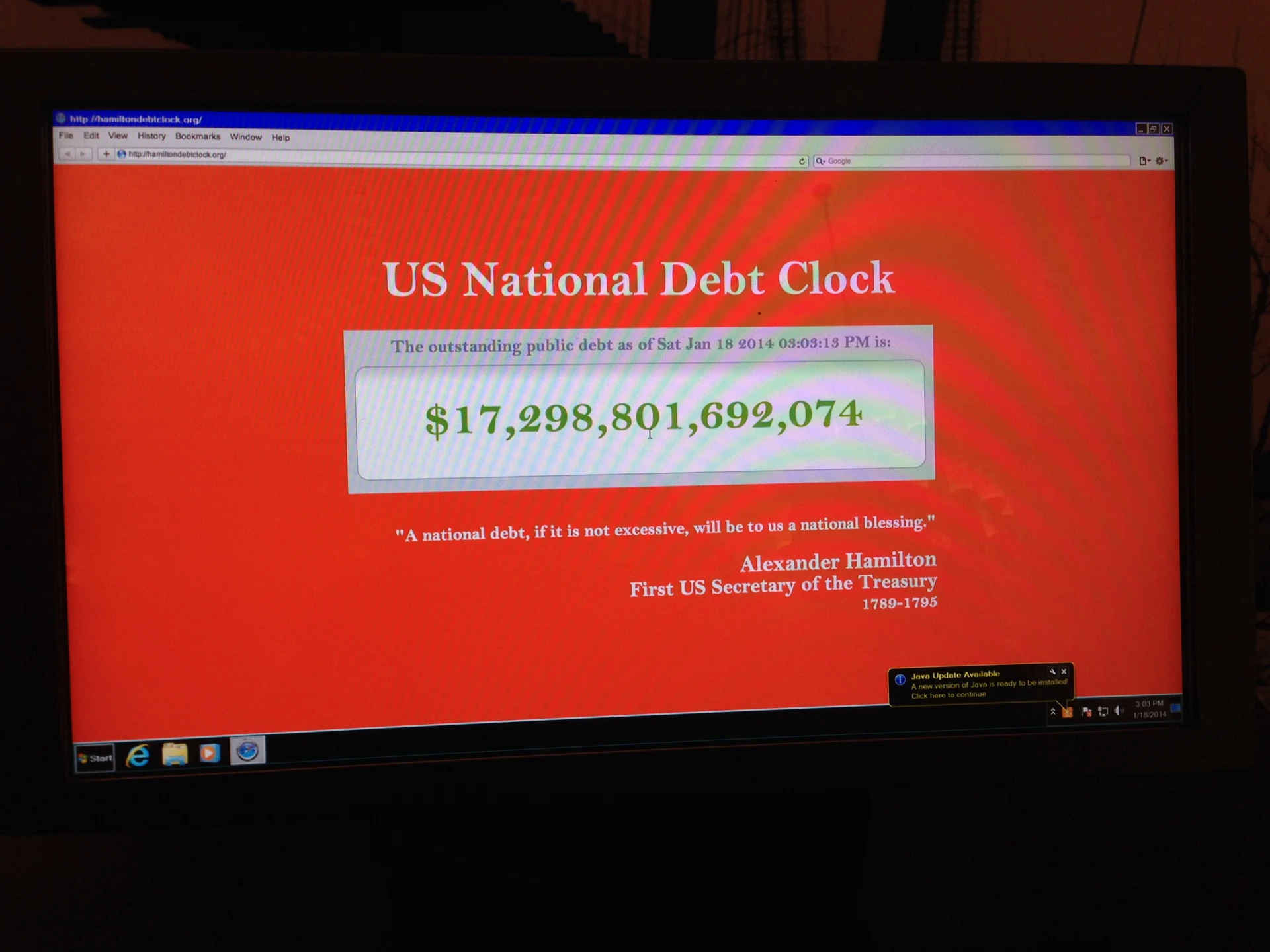
The museum’s U.S. national debt display showed about 17.3 trillion dollars. Not an easy number to picture. This was no longer about a single trade or company, but the scale of government borrowing. Debt alone doesn’t tell you the state of an economy: servicing costs, revenues, and lenders’ confidence matter too. Still, that many digits on a screen make an impression. Alongside them was a quotation about debt attributed to Alexander Hamilton. The same Hamilton whose story I’d just encountered beside the figure of Burr. Unexpectedly, the museum had brought me full circle.
After the museum, I went to the New York Stock Exchange. There it was. I didn’t get onto the trading floor, just stood outside the building, but that was enough to give me goosebumps. You spend several years working with this market from a distance, and now you can walk up to one of its best-known places.
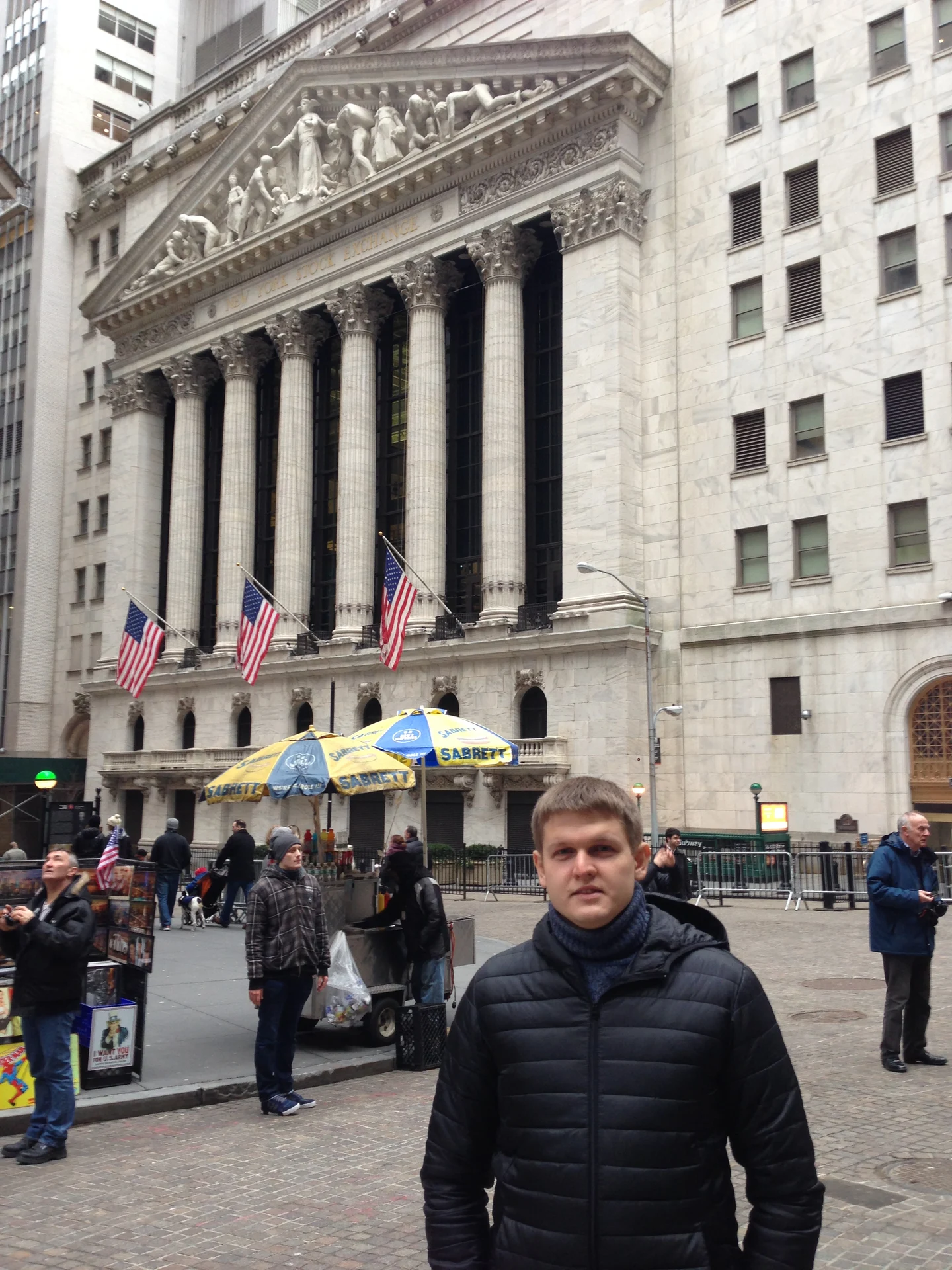
Of course, a market doesn’t fit inside a single facade. In 2014, the NYSE already combined electronic trading with people working on the floor. An order on my screen didn’t necessarily mean someone was running around right here with a piece of paper. But symbols work. For me, this building was one of the places where you could particularly feel the pulse of the financial world.
Nearby was the Federal Reserve Bank of New York. Gold is stored beneath it, with the bank acting primarily as custodian rather than owner: it belongs to governments, central banks, and official international institutions. A completely different scale from a display case of attractive gold bars. After sitting in the museum’s Fed chair, I could also have imagined myself inspecting the reserves. But I kept the gold inspection within the bounds of that imaginary career.
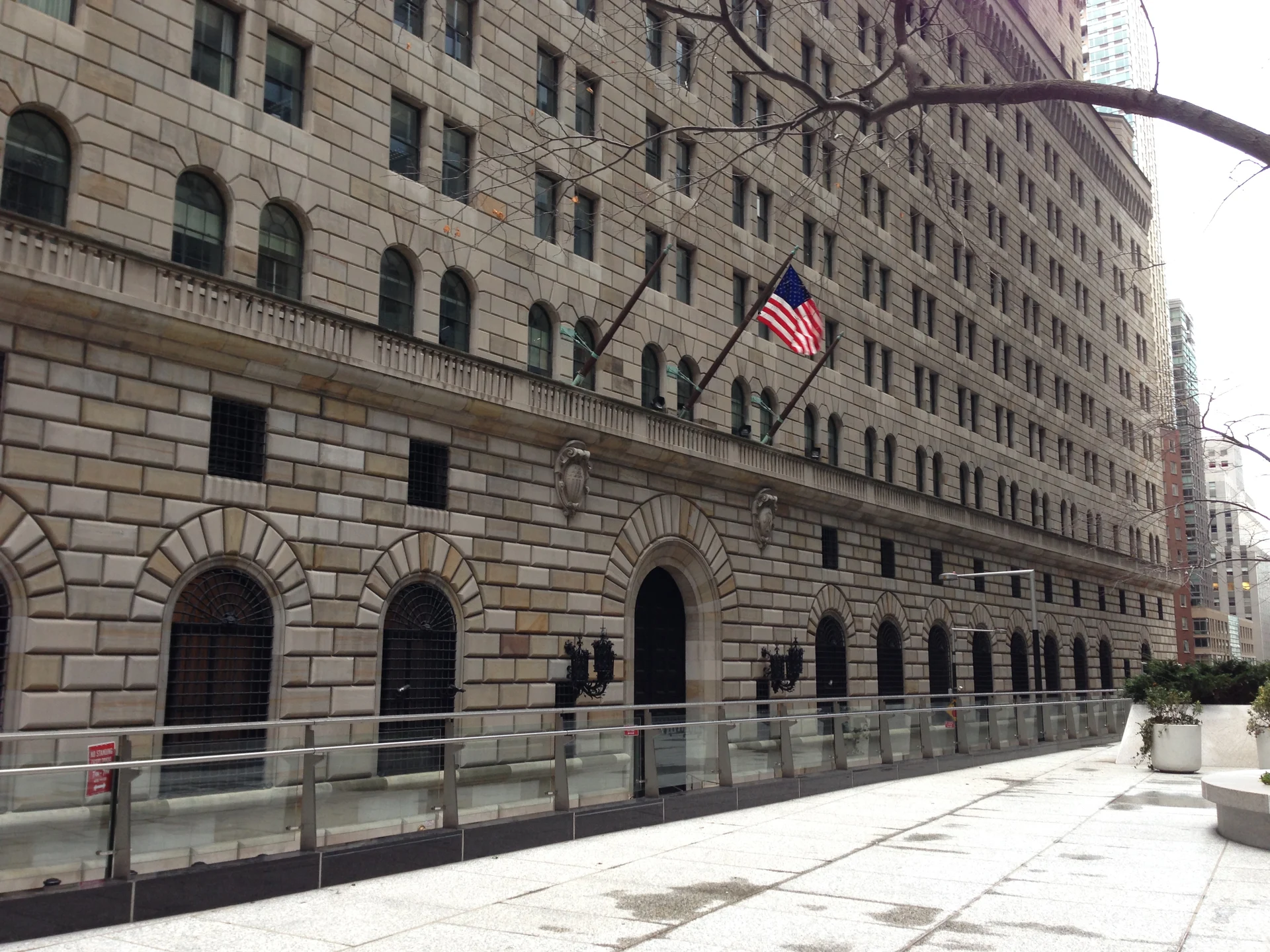
I wanted to linger on Wall Street a little longer. Not because the street is magical and a walk down it makes your trades profitable. It simply mattered to me to be physically present in a place that had long existed in my professional world.
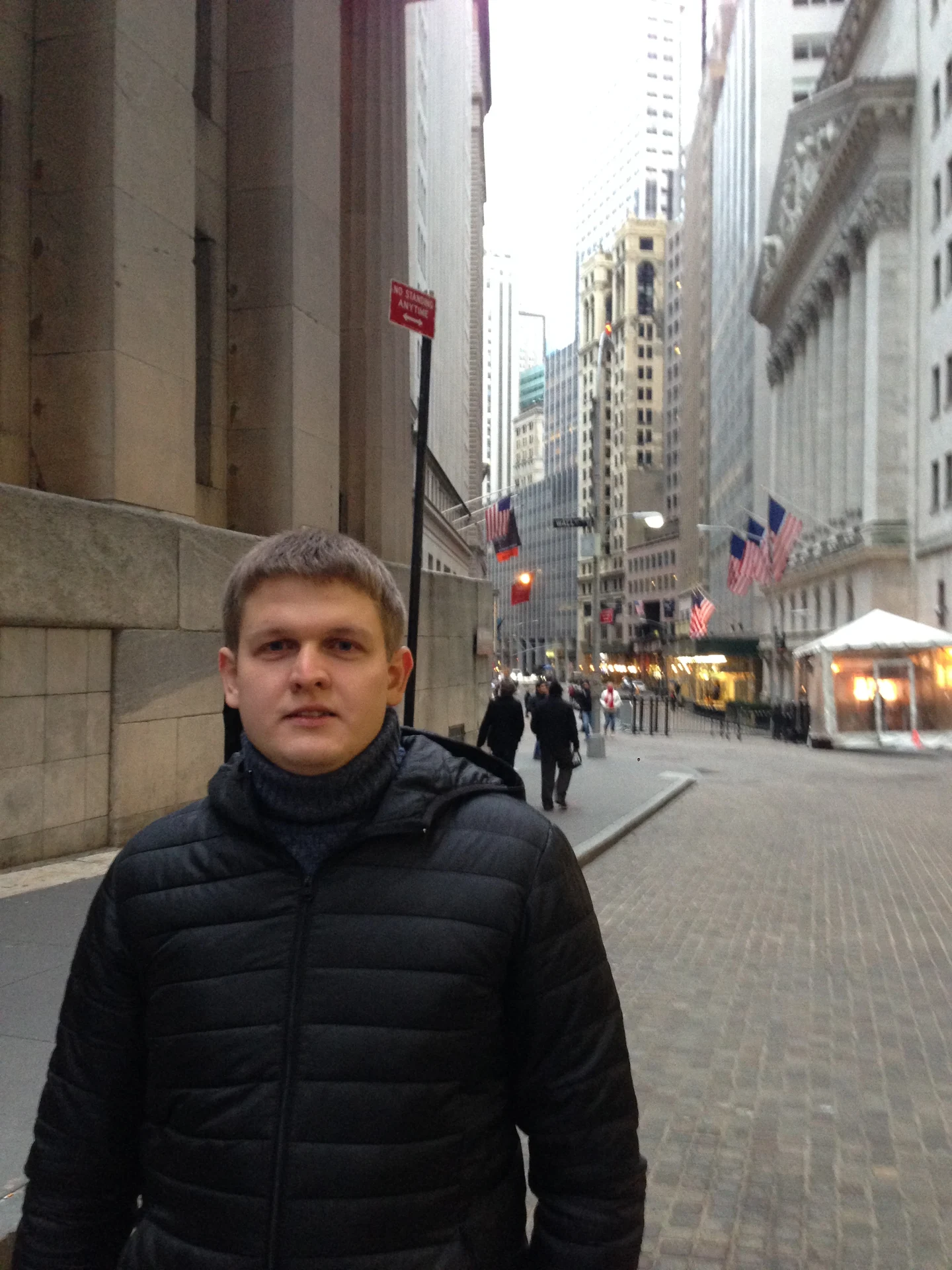
And, of course, the bull. Arturo Di Modica’s Charging Bull was conceived as a symbol of strength and recovery after the 1987 crash. The sculpture was first installed without permission near the exchange, then moved to Bowling Green. Not quite the conventional way to get public art approved, but everyone knows the result.
Bulls bet on a rising market; bears on a falling one. One possible source of the term “bear” is selling a bearskin before catching the animal: first you sell something you don’t yet have. Horns going up and a paw striking down make the distinction easy to remember, although that shouldn’t be confused with a proven origin for the names. Personally, I prefer making money when something grows. That doesn’t rule out other instruments. It’s simply a direction I feel more at home with. So a photograph with the bull made perfect sense.
Where Numbers Become People Again
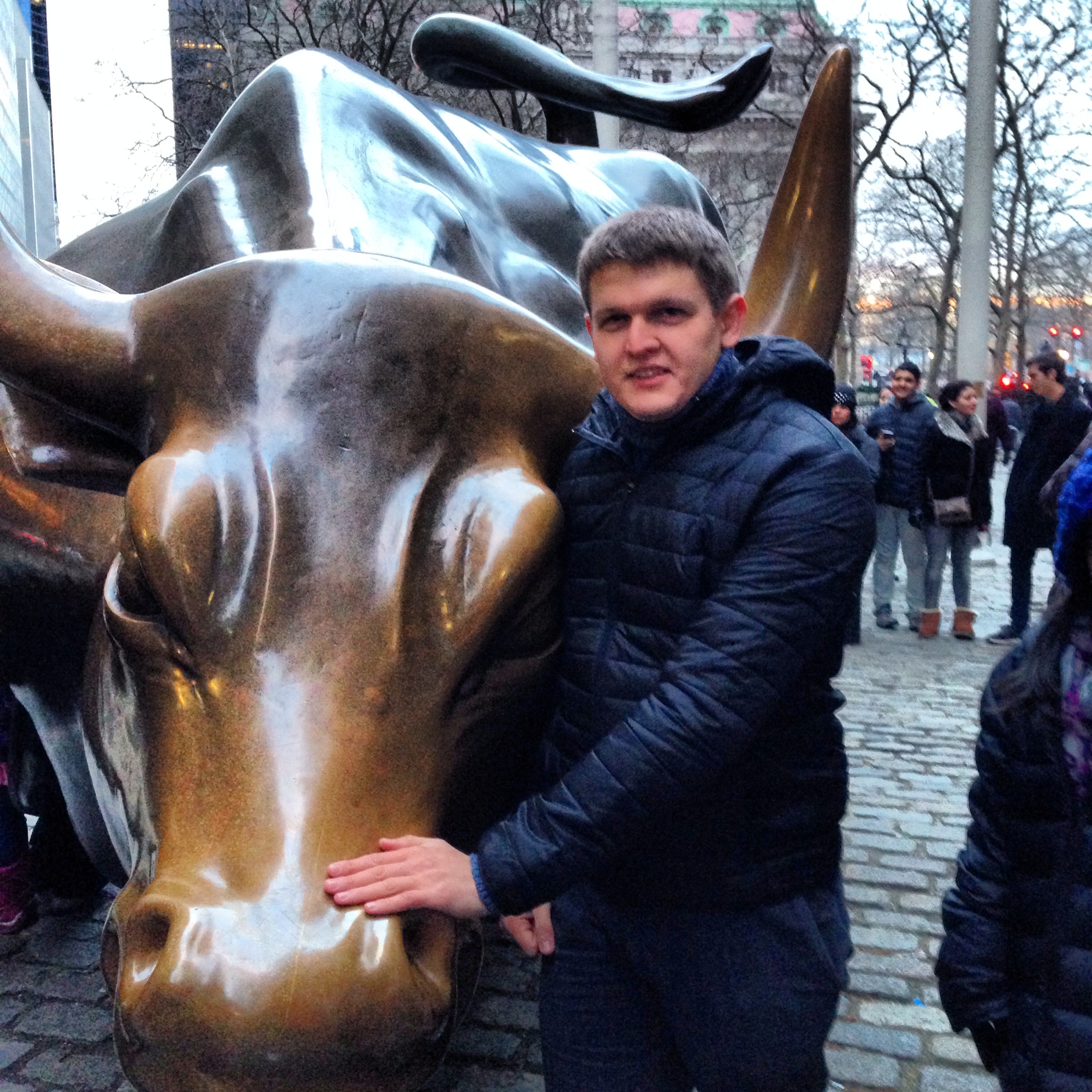
After the Financial District, we went to the September 11 Memorial. A completely different state of mind. Instead of discussing the scale of money, you’re standing before the scale of loss.
What stayed with me was the large open space, fences, construction around it, and the sense of absence where the towers had once stood. The memorial itself, with its two pools on their footprints, was already there. But in January 2014, the surrounding area was still changing, and you could see that too.
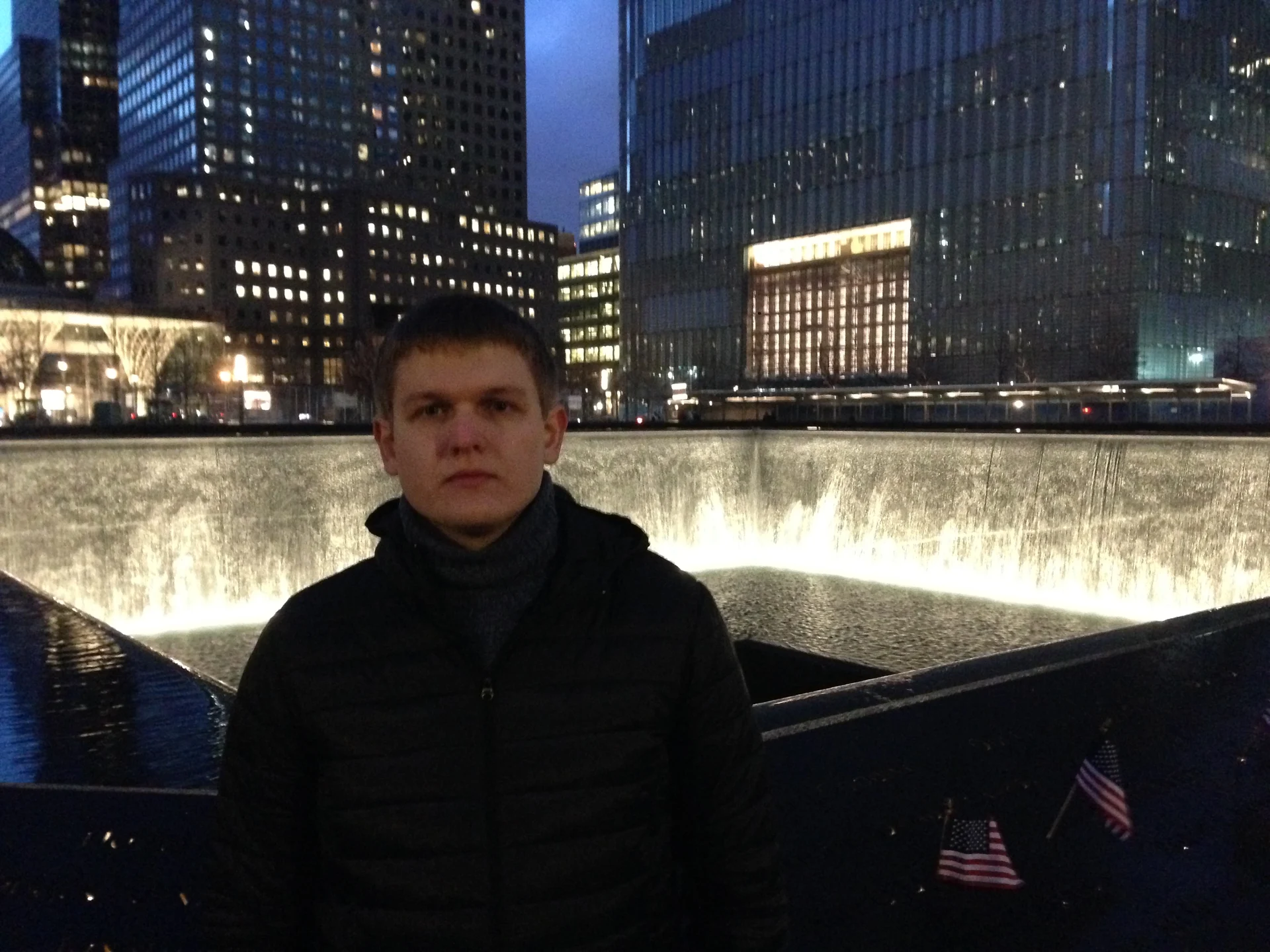
The attacks of September 11, 2001, killed 2,977 people, excluding the attackers. The response reached far beyond America: solidarity from many countries, NATO’s first invocation of Article Five, and the war that followed in Afghanistan. Enormous historical consequences. But in this place, geopolitics isn’t the first thing on your mind.
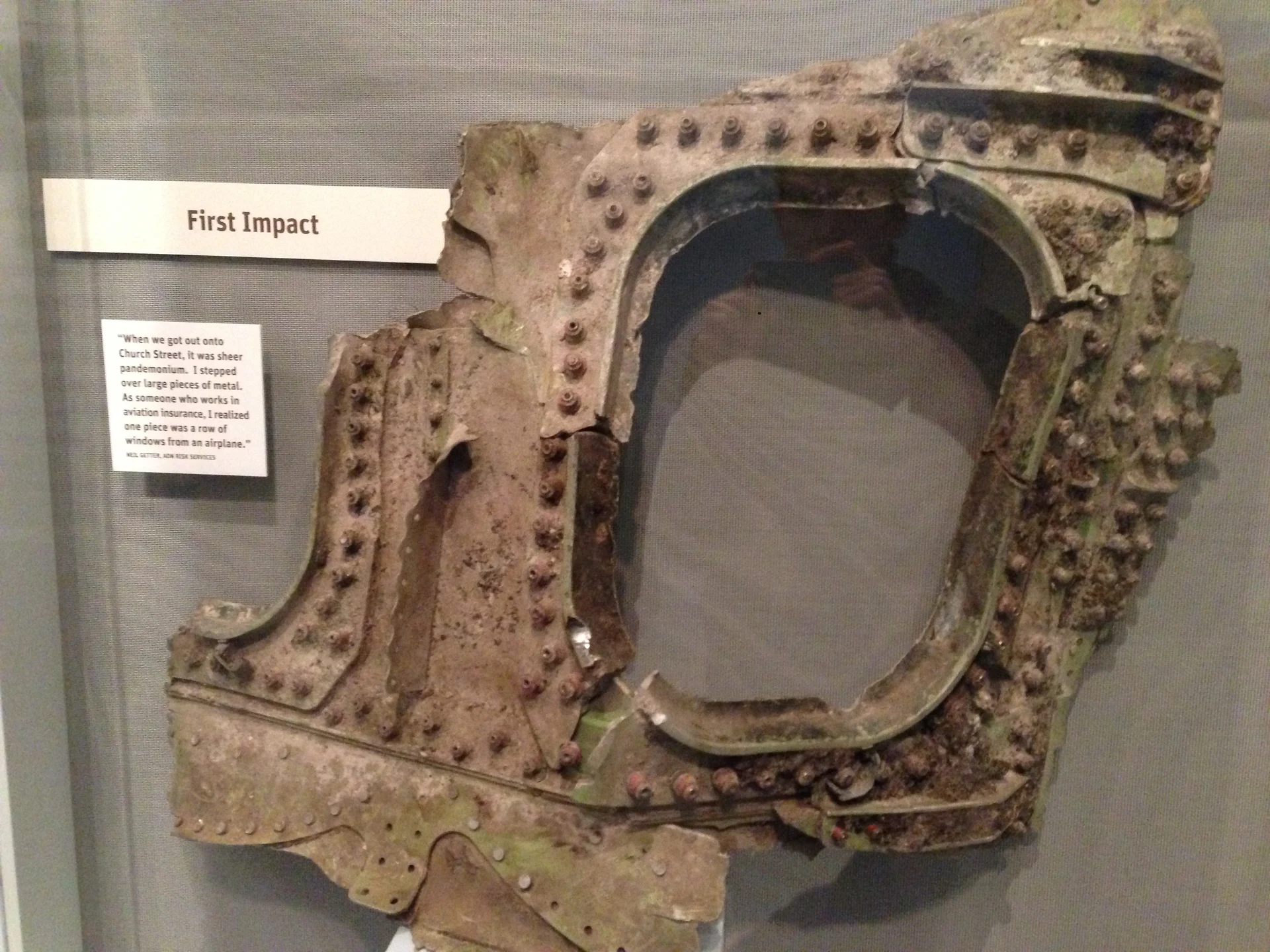
At a nearby exhibition, I looked at a piece of wreckage with a window opening. Things like that no longer feel like footage on television. They have a physical reality that is hard to keep at a distance.
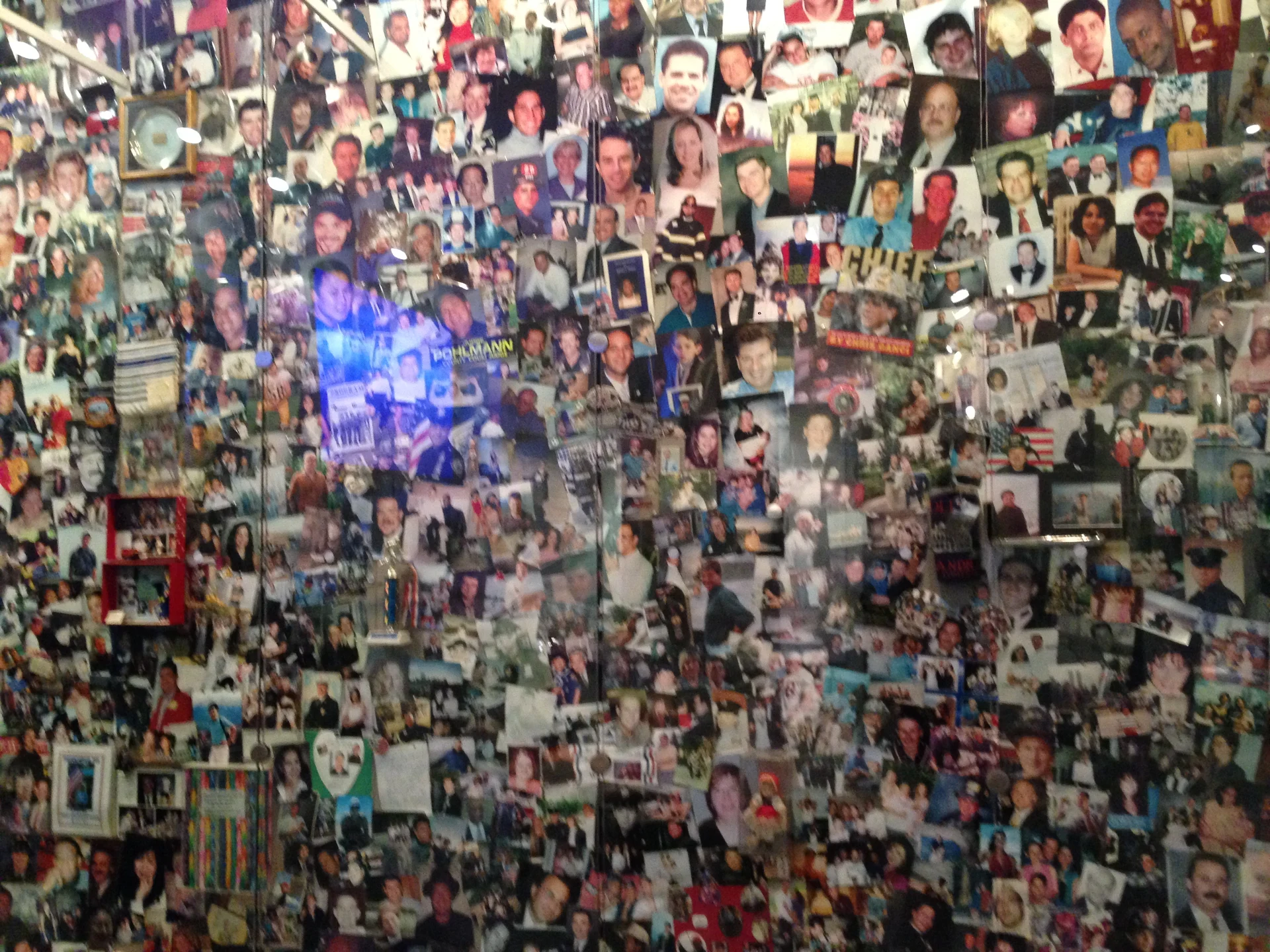
Then came photographs of those who died. So many faces. Each had once been not part of a statistic but a separate life: work, loved ones, plans for the evening. Standing in front of a wall like that, you don’t particularly want to say something clever. You want to be quiet for a while.
An Evening at Chicago
That evening, we had tickets to Chicago at the Ambassador Theatre. The transition from the memorial to the theater didn’t arrange itself into some neat moral. One day in a big city had simply held very different experiences.
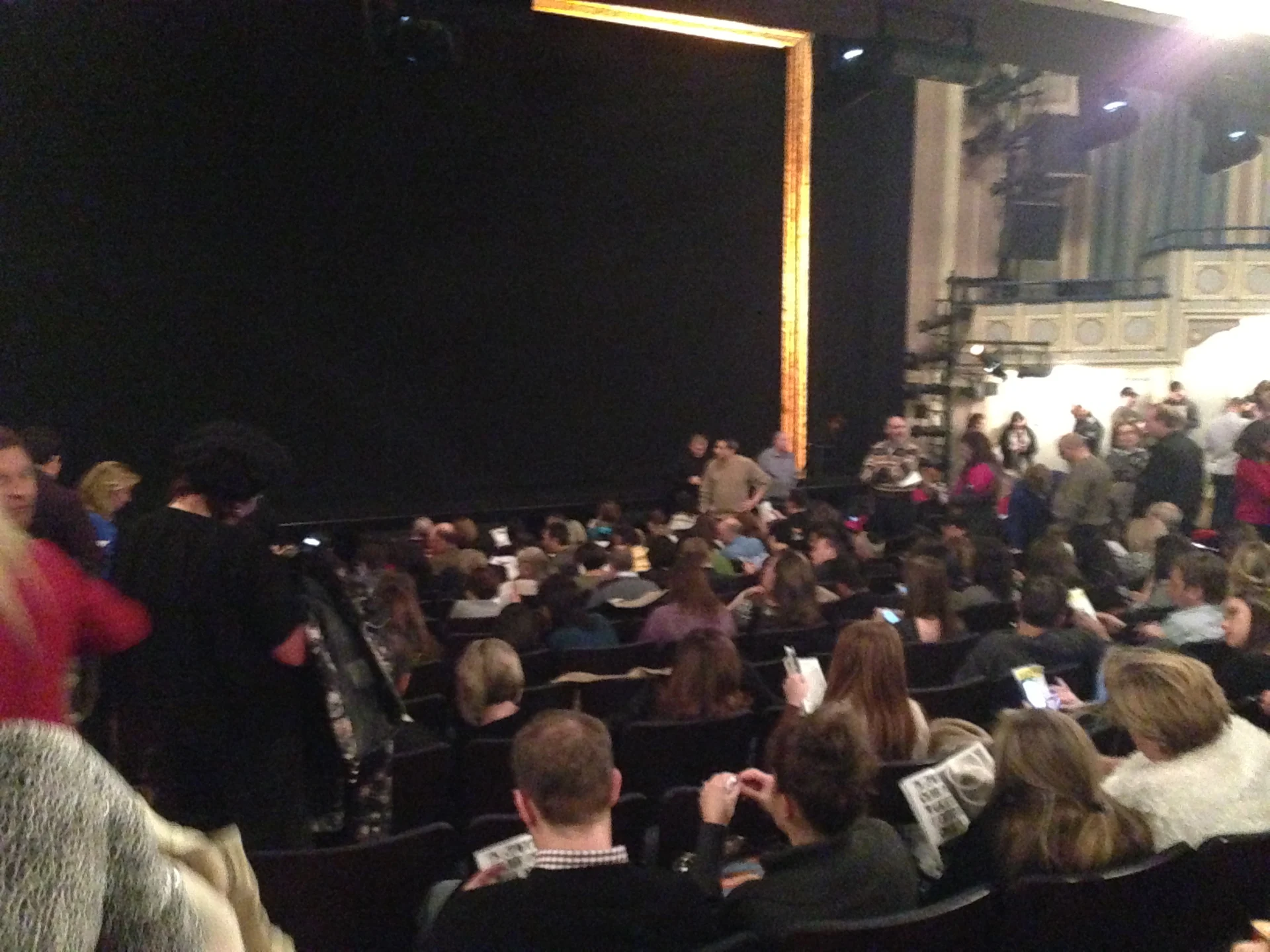
Filming the performance wasn’t allowed, so what remained were photographs of the auditorium and what I remembered. And I remembered it vividly. The actors gave so much of themselves that I sat there with goosebumps. The voices, movement, rhythm, precision. The way they held the audience, the way one scene flowed into the next.
I didn’t understand all the English, far from it. But intonation, emotion, and movement often reached me faster than I could translate. Missing a word didn’t make me feel I’d dropped out of what was happening. Quite the opposite: they kept me inside it.
I hadn’t seen anything before that made this particular kind of theatrical impression on me. After my museum thoughts about mastery, here it needed no explanation. People stepped onto a stage and did their work so well that you could physically feel its force. This was exactly why I’d wanted to go to Broadway.
Next, Philadelphia was waiting for us. After New York, with its pace, its stock exchange, and its skyscrapers, I wanted to see another historic heart of America: the city where the Declaration of Independence was adopted and the U.S. Constitution signed in Independence Hall. From the symbol of freedom in the harbor to the place where people tried to turn that freedom into rules for living together.