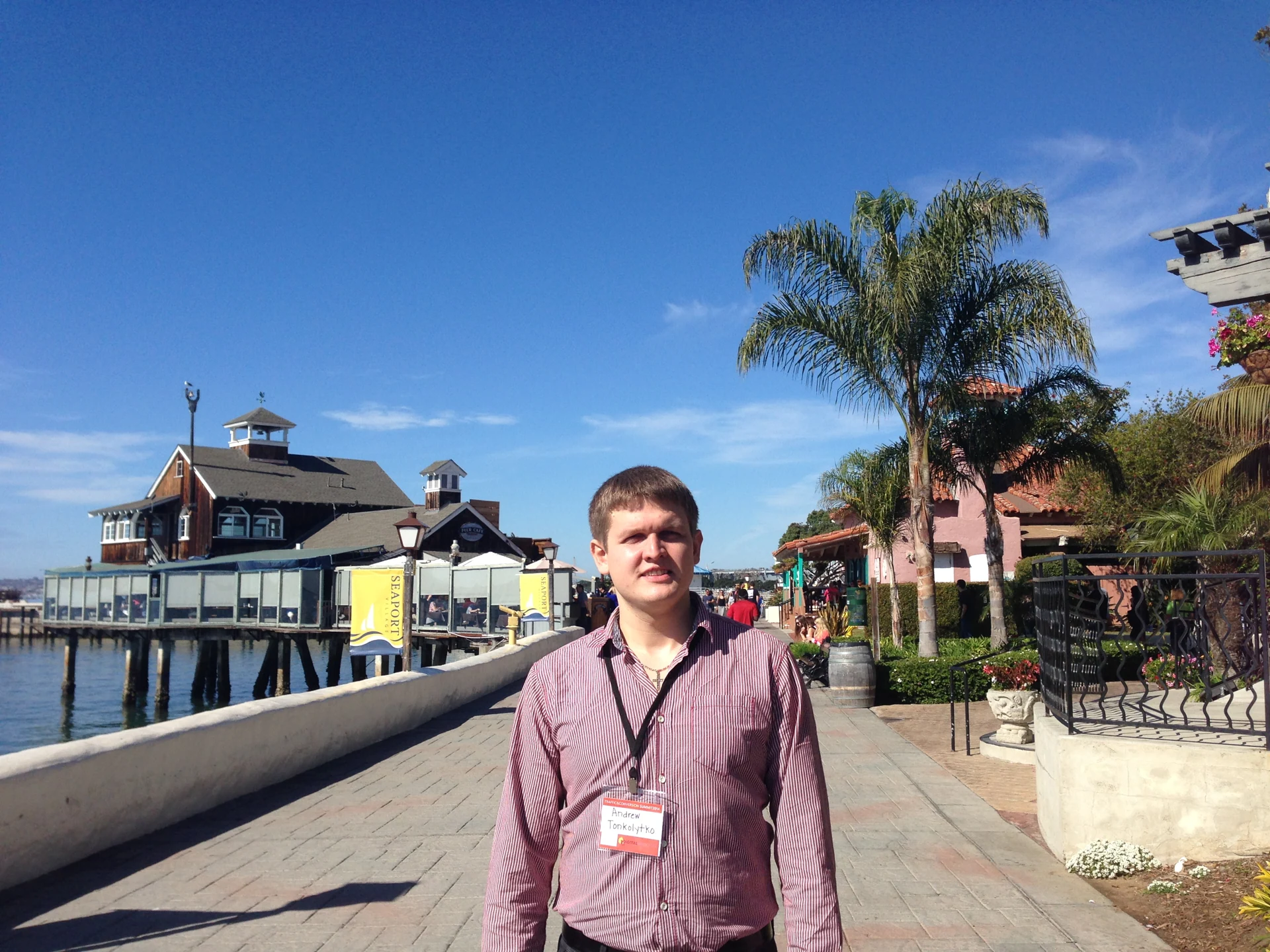
San Diego: What Happens After the Click?
January 2014
From Snow to San Diego
There was still snow on the ground in Philadelphia that morning. By evening it was around sixty degrees Fahrenheit in San Diego. I’d flown through Atlanta and crossed a few time zones, and when I walked out of the airport it felt like I’d changed coasts and seasons in the same day. Different air, different surroundings, a different pace. The warmth was a nice bonus. I was there for the Traffic & Conversion Summit.

I’d heard about the summit back in Ukraine from some trainers I listened to. The way they told it, San Diego was where people who’d learned how to sell online came together to explain how they actually did it. I was interested in video, online stores, and especially funnels. I didn’t just want to hear how well other people had done. I wanted to understand what happens between seeing an ad and paying for something.
I could have picked up my badge the day before. After the flight I was busy finding a place to stay, adjusting to the time difference, and finally getting some sleep. So I went to the Manchester Grand Hyatt on the morning of day one. A few hundred other people, it turned out, had apparently had the same brilliant idea. Just getting registered took about an hour. But once I had my badge, I could finally get to what I’d crossed the continent for.
What Happens After the Billboard?
I’d studied marketing remotely at Wharton. It started with the right questions: Who are you selling to? What do they need? What makes you different? In San Diego they took it one step further. All right, you know who you’re talking to. Now show me what that person does after they notice you.
I was used to seeing ads on billboards in Ukraine. A billboard can work perfectly well. You notice it, remember the name, maybe even buy something. But I wanted to see what happened after that first glance. Online you can map out the path from ad to purchase, count how many people make it through each step, and see where most of them turn back. Then you’ve got something to fix besides the billboard.
Ryan Deiss, one of the founders, opened the summit. One of the things he talked about was native advertising: an ad can fit the format of what people are already reading instead of shouting at them from a separate banner. Perry Belcher, Roland Frasier, and Richard Lindner led another part of the program. They explained how to bring customers in and put together offers that give people a reason to show up, buy, and come back. One slide boiled it down to five steps.
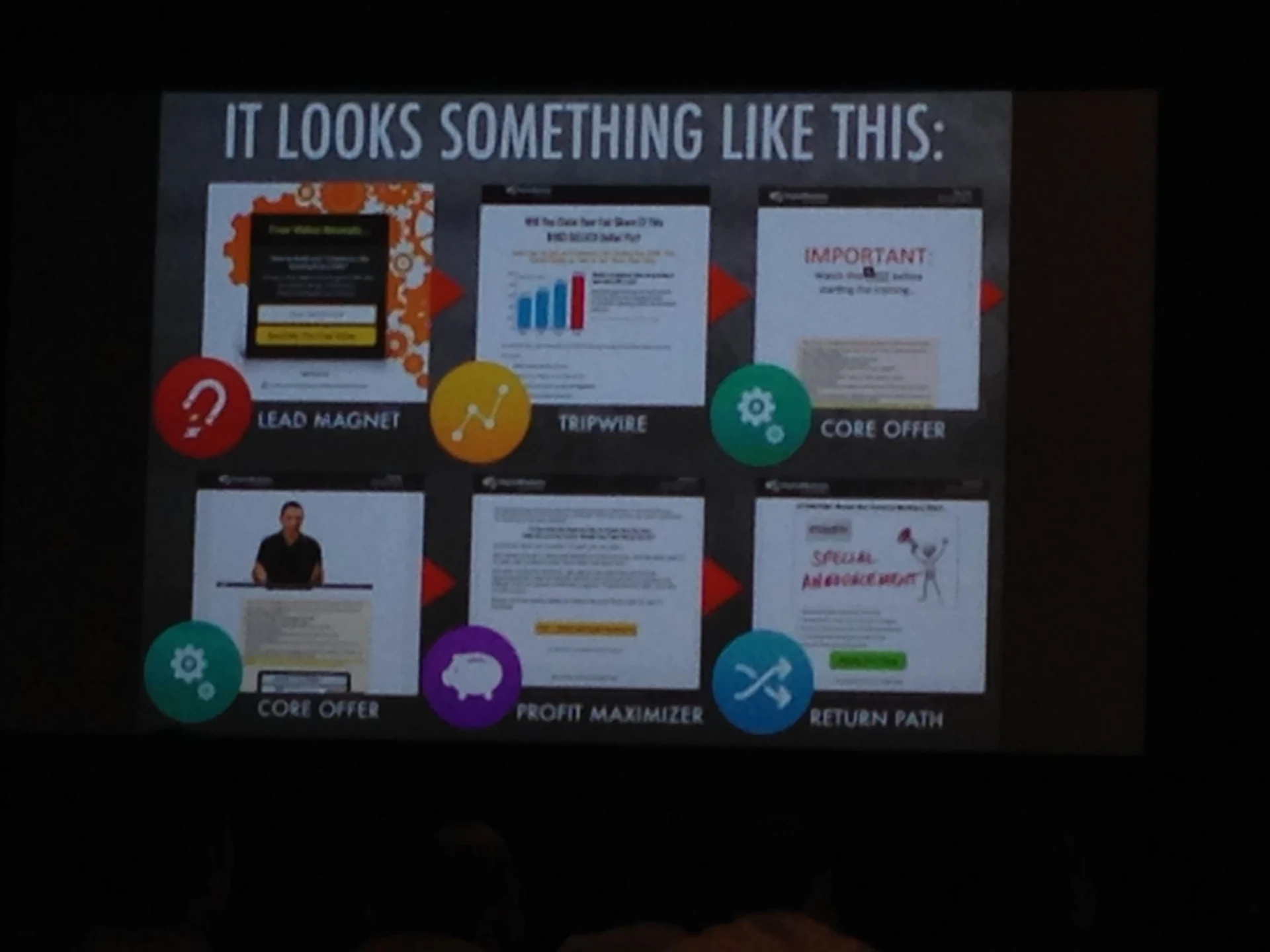
Imagine a course called “Invest Like Buffett” on the basics of long-term value investing. It’s a made-up example. I’m not selling the course, and Buffett has nothing to do with it. I see an ad and click through. First I’m offered a free cheat sheet on which numbers to look for in a company’s financial statements. I leave my email address and get something useful right away. That’s the Lead Magnet. Next, for a small fee, I can try a hands-on exercise: open one company’s financial statements and find those numbers. That’s the Tripwire. It’s easier to say yes to one exercise than to buy a whole course on the spot.
The course itself is the Core Offer. I learn to read financial statements on my own, value a business, and compare its intrinsic value with its share price. If I want to know where my valuation falls short, I can pay extra for feedback. I value the company myself first, then someone reviews my work. That’s the Profit Maximizer. If the course is too expensive for me right now, I might be offered a shorter, cheaper lesson instead. That’s a downsell, a separate tactic, not a sixth step on the slide. And here’s the Return Path: later I get an email with another exercise I can do on my own. Now I have a reason to come back besides being shown another ad.
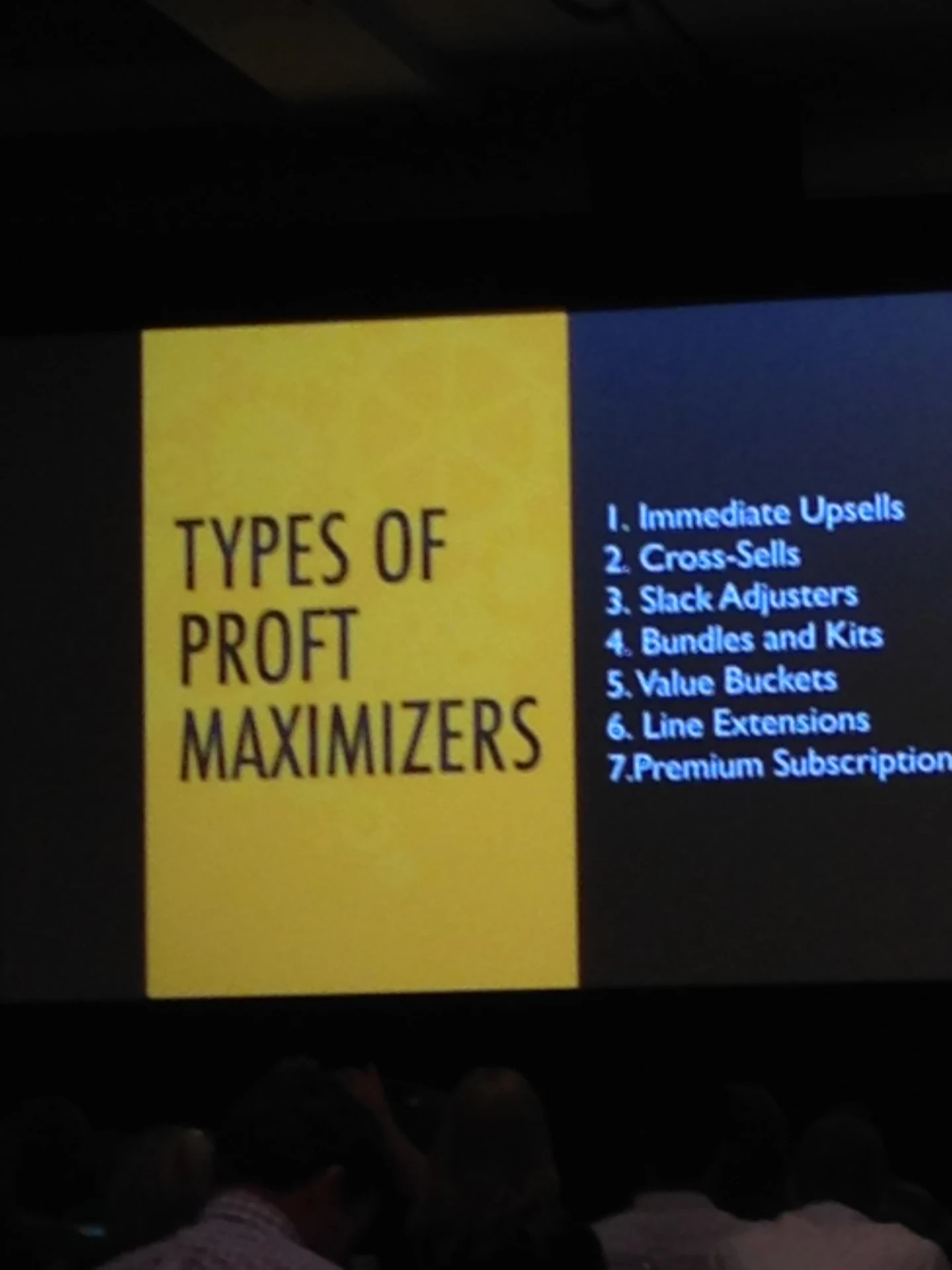
What I like best about this setup is that I can test every step. If everyone takes the cheat sheet but almost nobody pays for the exercise, I know where to look for the problem. I don’t have to redo the whole course. Wharton helps me understand who might need a course like that and why. The funnel lets me check whether anyone actually made it to the point of buying it.
Between the Conference Hall and the Bay
The Hyatt is right by the bay. Step outside and there’s the marina, rows of yachts, the water. I wasn’t used to waterfronts like this. I liked how beautiful it all was without anybody needing to hurry. Back in the conference hall, by now they’d have gotten around to how to improve conversion at the next step. Out here I could just stand and look at the boats.
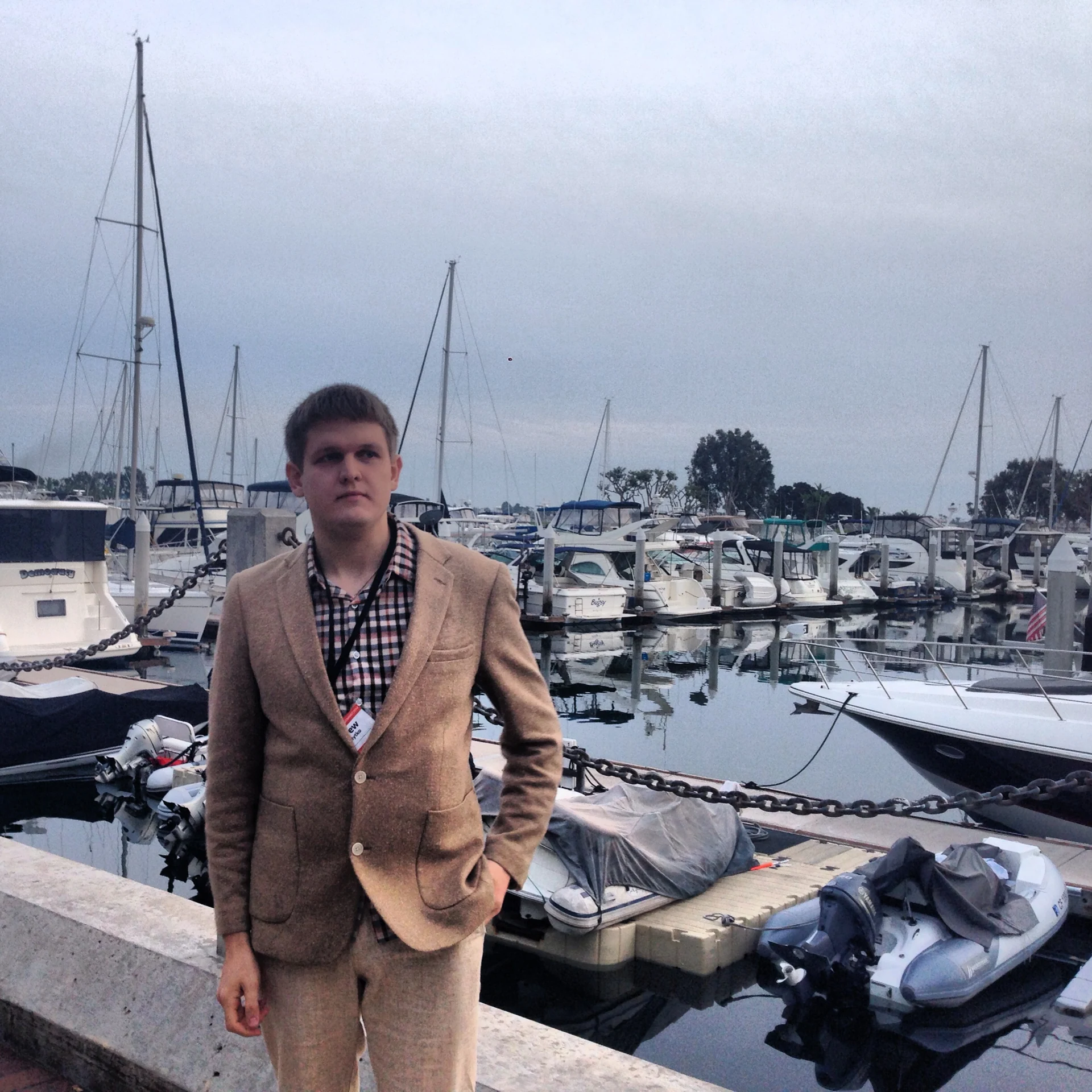
I liked the city right away as a place I could live, too. Not far away in La Jolla lives Irwin Jacobs, a co-founder of Qualcomm. Farther north in Encinitas, Tony Hawk has his home. Two people in completely different lines of work, both known well beyond California. And both chose this coast. After a walk by the water, I was starting to see why.
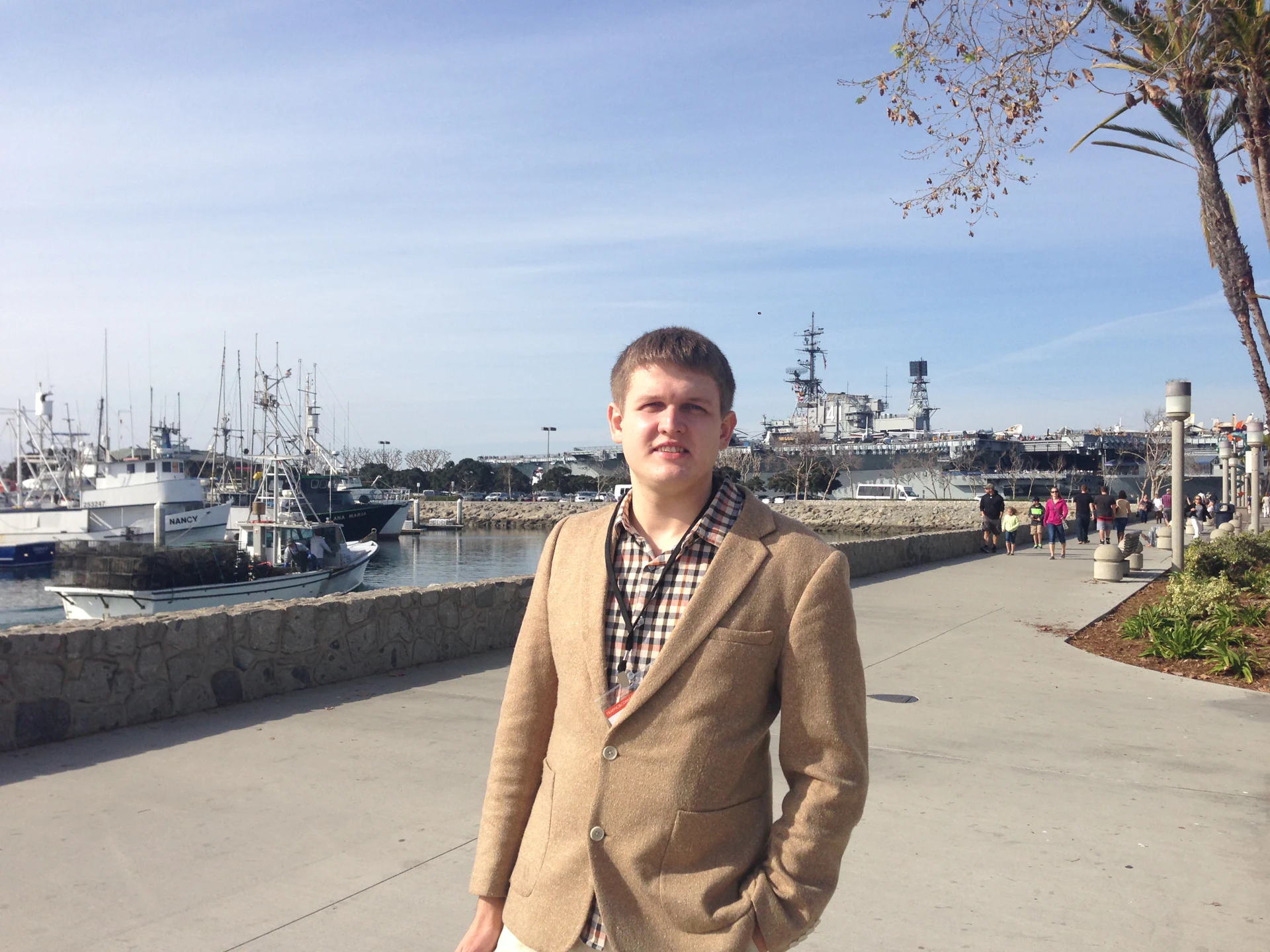
In the evening, from Seaport Village, I could see the Hyatt again, this time all lit up. I’d spent the day switching between two speeds: in the hall one idea came right on the heels of another; by the water you finally stopped rushing. By the next morning I wanted to be back in the room. Frank Kern was speaking.

From Specialist to Someone People Listen To
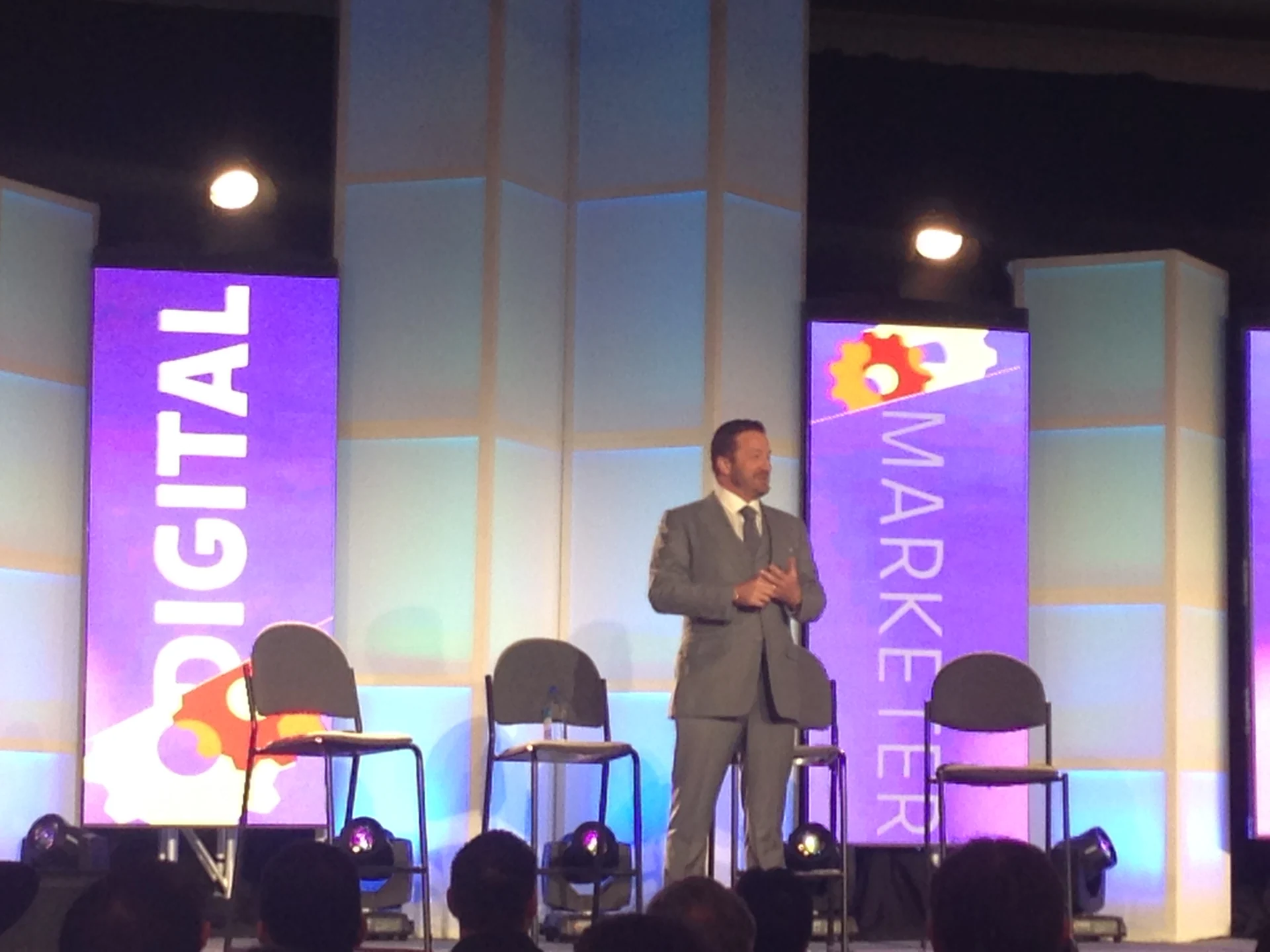
Kern could explain tricky things about what makes a product valuable and make it sound like stand-up. One of the things he covered was how to sell high-priced consulting through webinars. What I liked was that after the laugh there was still something I could take away and use. He’s somebody I want to learn from.
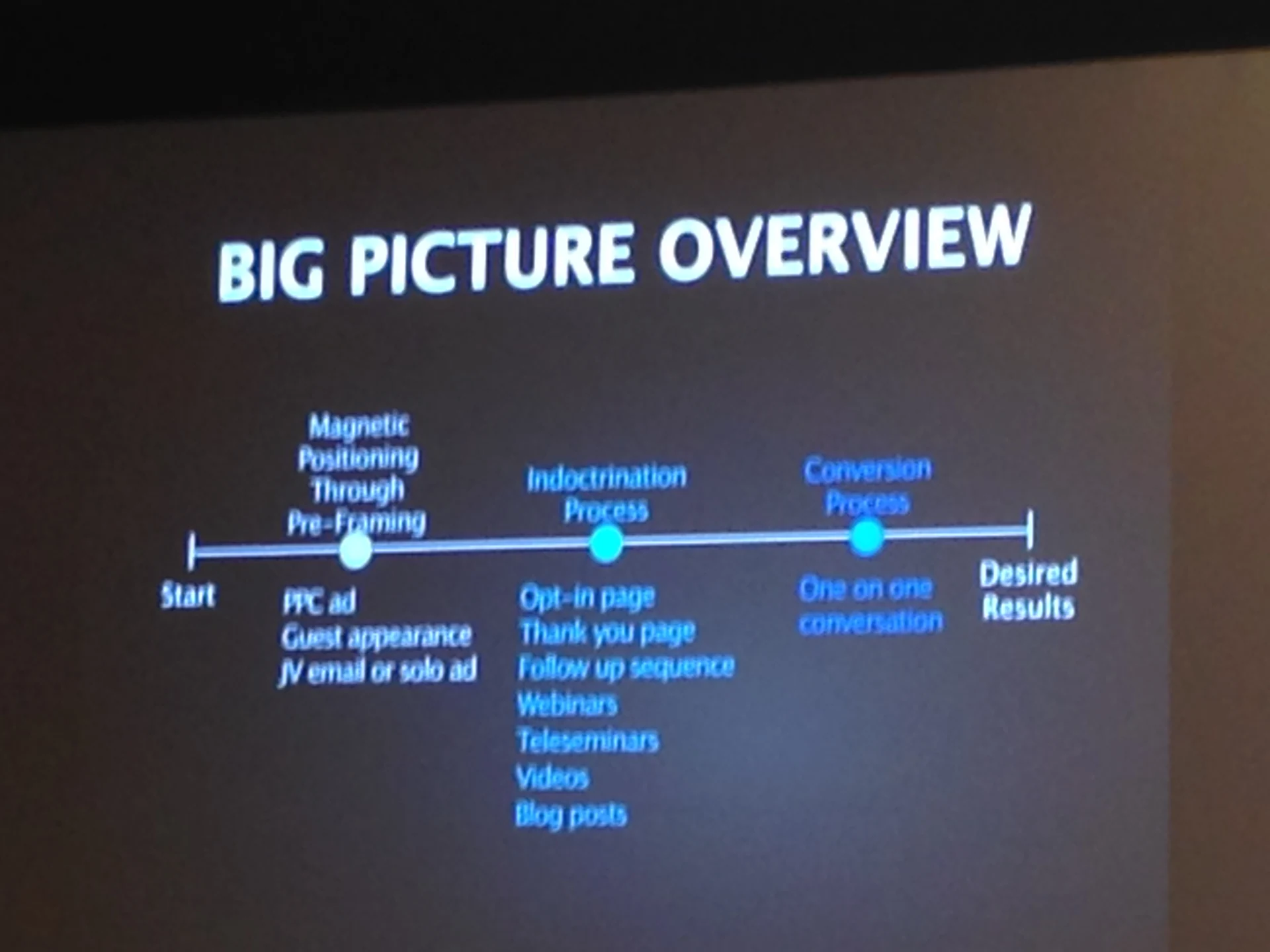
The positioning pyramid stuck with me in particular. At the bottom is the generalist, who does a bit of everything. Next is the specialist you go to for a particular job, then the authority whose judgment you trust, then the celebrity people recognize. And right at the top of the slide is a question mark. I read that as a combination of the last two: people recognize you, and they come to you for your professional judgment. Celebrity Authority. Being recognized doesn’t, on its own, tell you what anyone would pay you for.
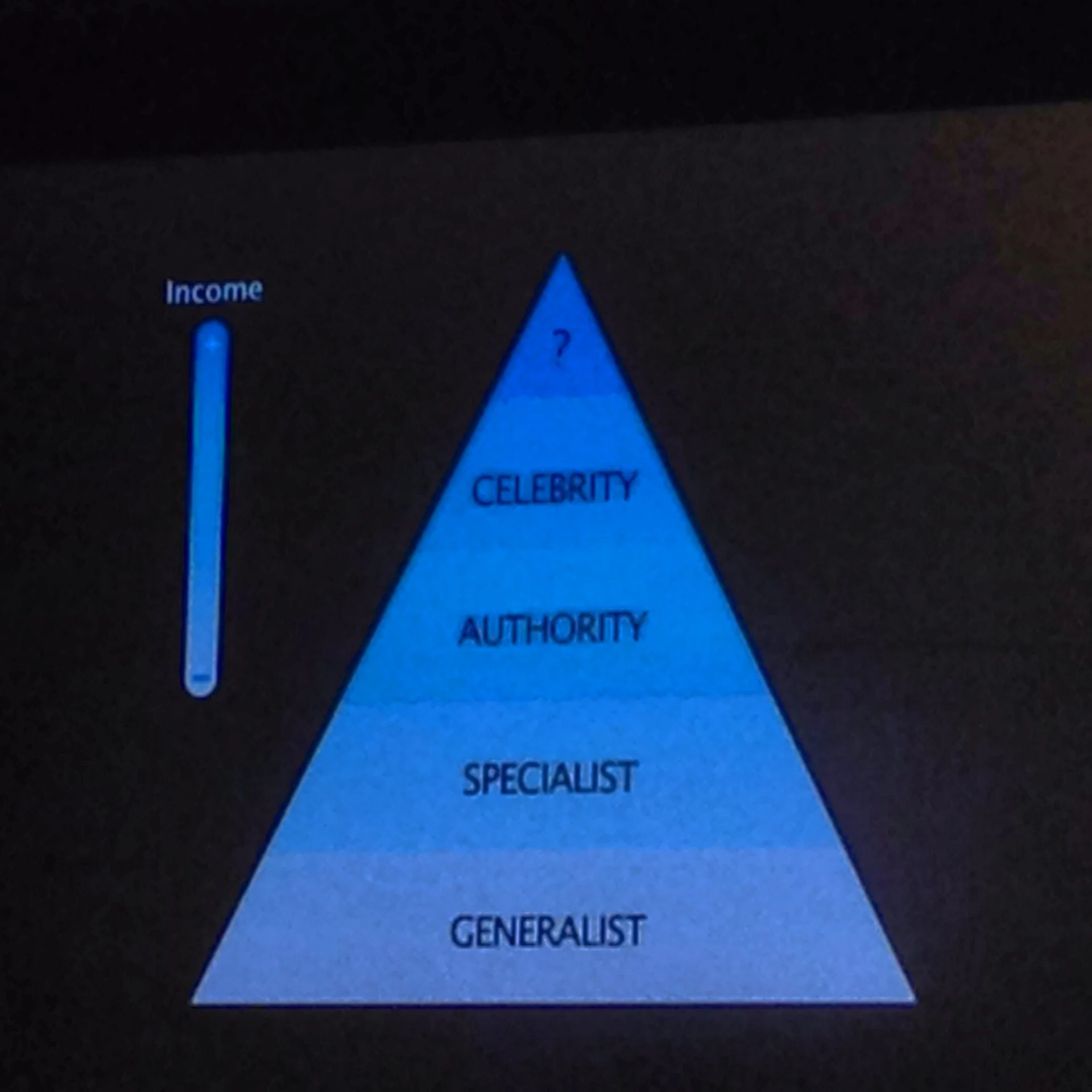
That’s a different question from the five steps of the funnel. The pyramid is about how people see you. The funnel is about what they do next. Another example showed the whole route: different sources of visitors, a page where someone leaves their email address, then emails, videos, or a webinar, and only then a one-on-one conversation. I liked seeing the whole route laid out. The ad, it turned out, was only one place you could improve things.
During a break I went out for seafood by the water. A nice change after all those slides: instead of tracking where someone goes next on a website, I could just look out at the boats in the bay. And in San Diego I didn’t even have to go far from the conference to do it.
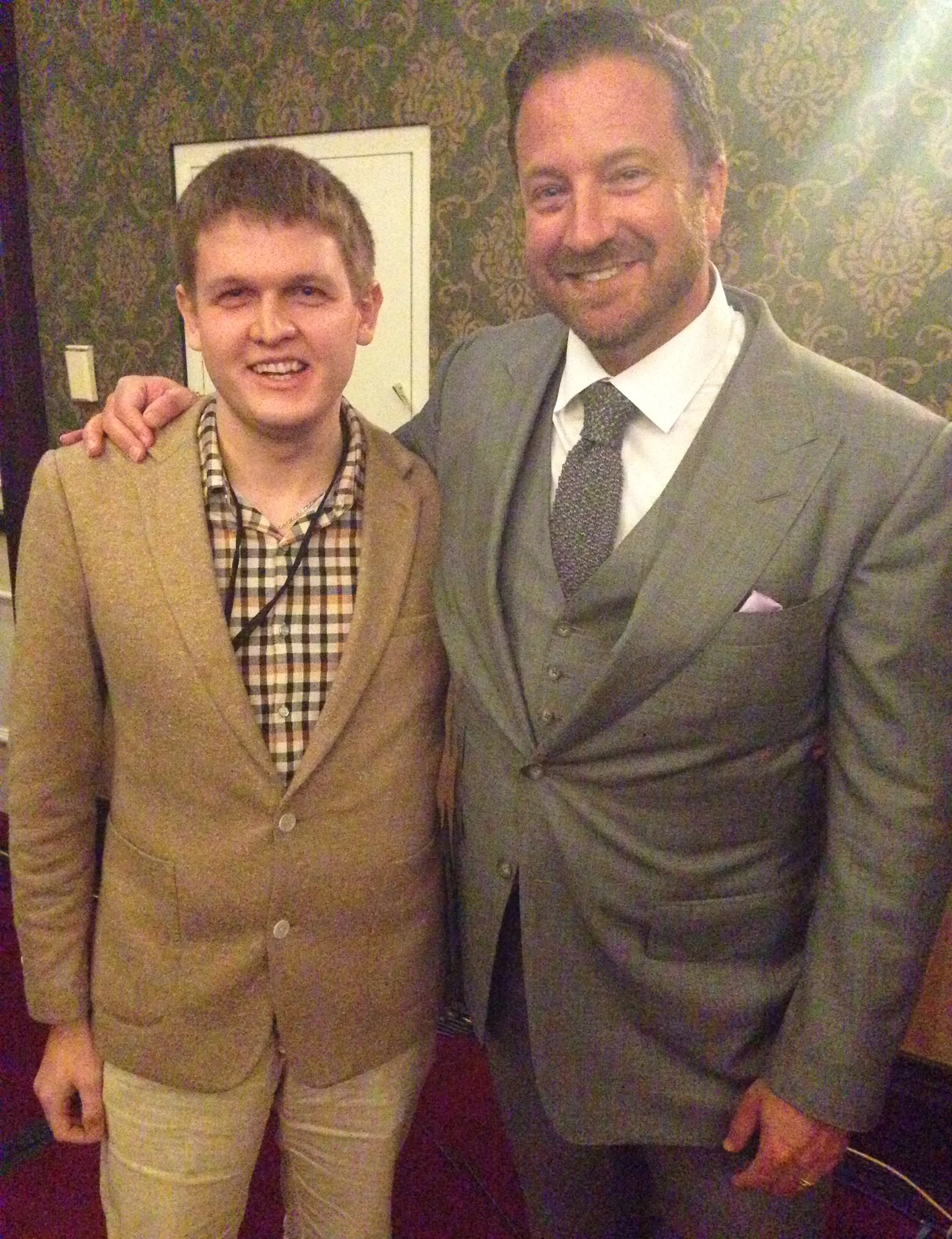
Another thing that surprised me was that I could just walk up to the people I’d seen onstage. I went over to Kern. A moment ago I’d been sitting in the audience listening to him, and now, during the break, I could stand next to him and talk to him like a regular person. Being able to go from the stage to a normal conversation like that meant a lot to me at this summit.
I even tried interviewing Neil Patel. He’d already co-founded Crazy Egg and KISSmetrics and was writing about marketing at Quick Sprout. I was interested in people who could show what visitors actually did on a website, not just how many showed up. And it was with someone like that that I decided to try my first interview in English. It lasted about a minute and a half. For a first go, a minute and a half in English with Neil Patel was plenty.
During another break I went up onstage and sat in the chair. I wasn’t speaking, of course. You can just trade places with the audience for a minute and see what it looks like from the other side.

What You Learn Just Sitting in the Audience
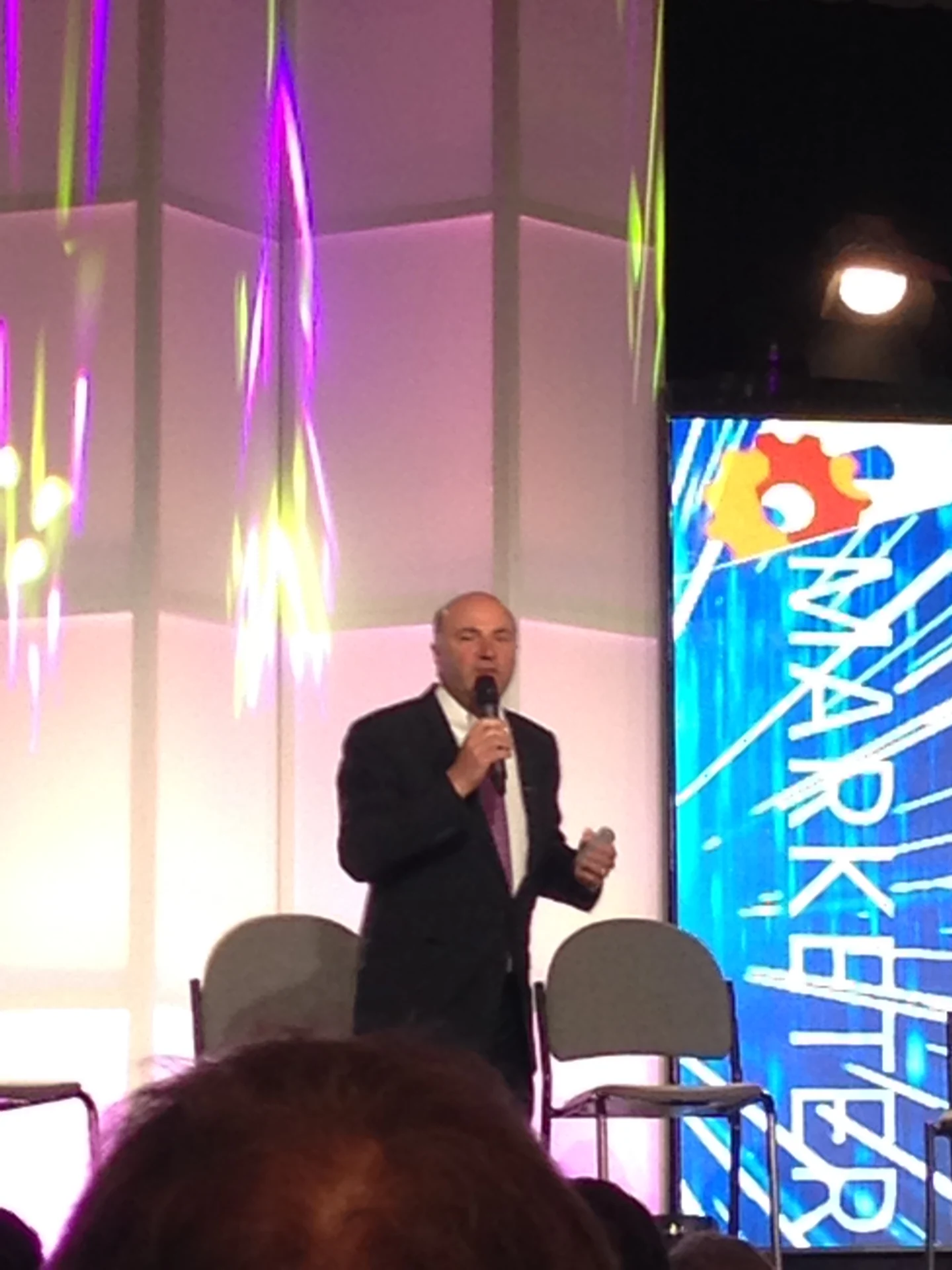
That evening I listened to Kevin O’Leary, Mr. Wonderful from Shark Tank. On the show he sits alongside people like Mark Cuban and Daymond John, hears entrepreneurs out, asks them questions, and decides whether to put in his own money. At the summit it was interesting to pay attention to more than what he said. How he carried himself. How he reacted. How he got a point across to the room. You can learn plenty just sitting in the audience and watching that.
Not long before, I’d been on the Maidan, where people had gathered for entirely different reasons. Now I was sitting in a hotel in California listening to an investor talk about business. Those are two very different worlds, and there’s no need to judge them by the same yardstick. What struck me was how much your surroundings shape the conversations you hear and the things you start to notice yourself.
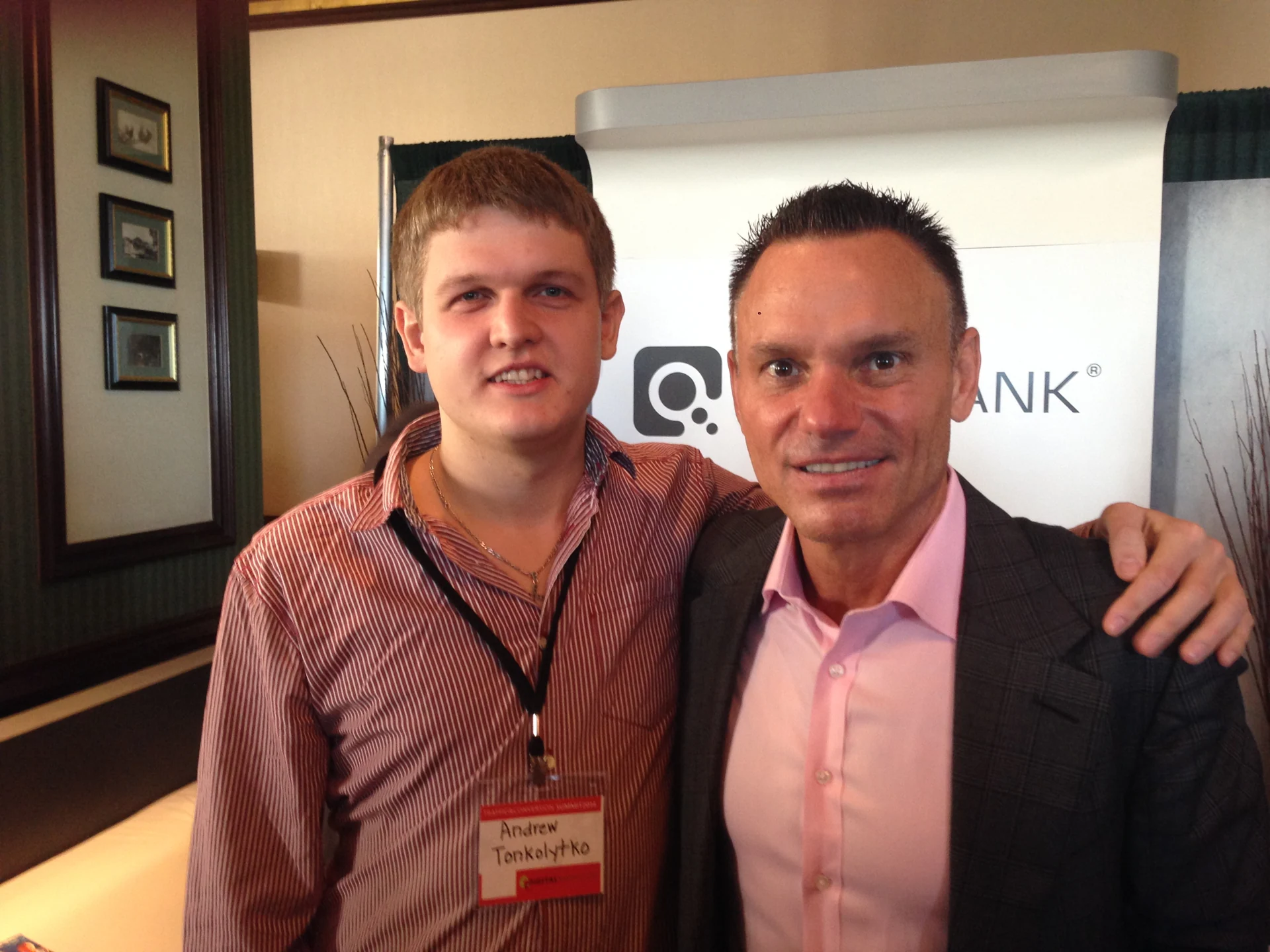
I also got to cross paths with Ryan Deiss briefly. He’d opened the summit onstage, and between talks I could just walk up to him. It wasn’t a long conversation. What I liked was that the chance was there at all.
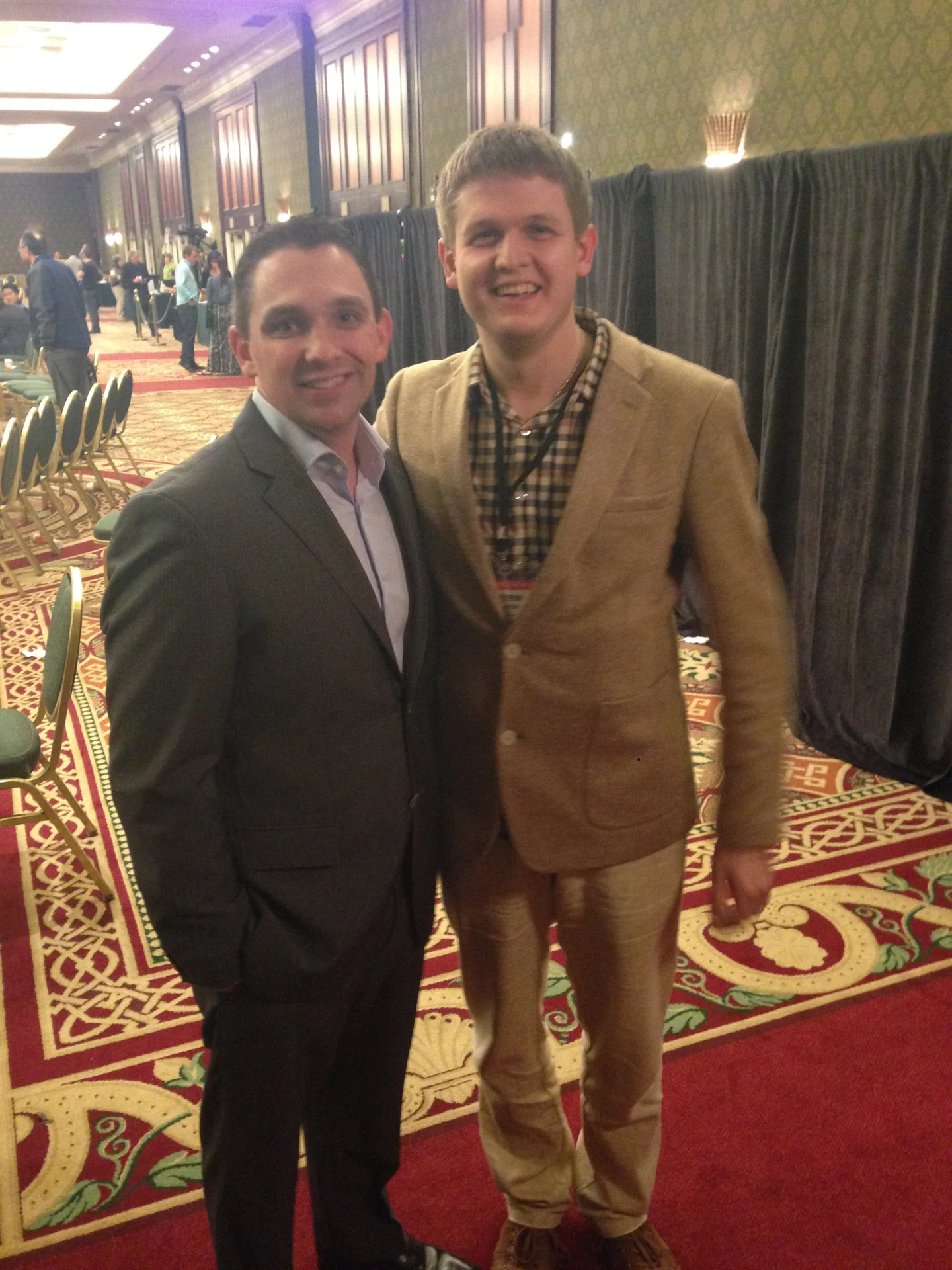
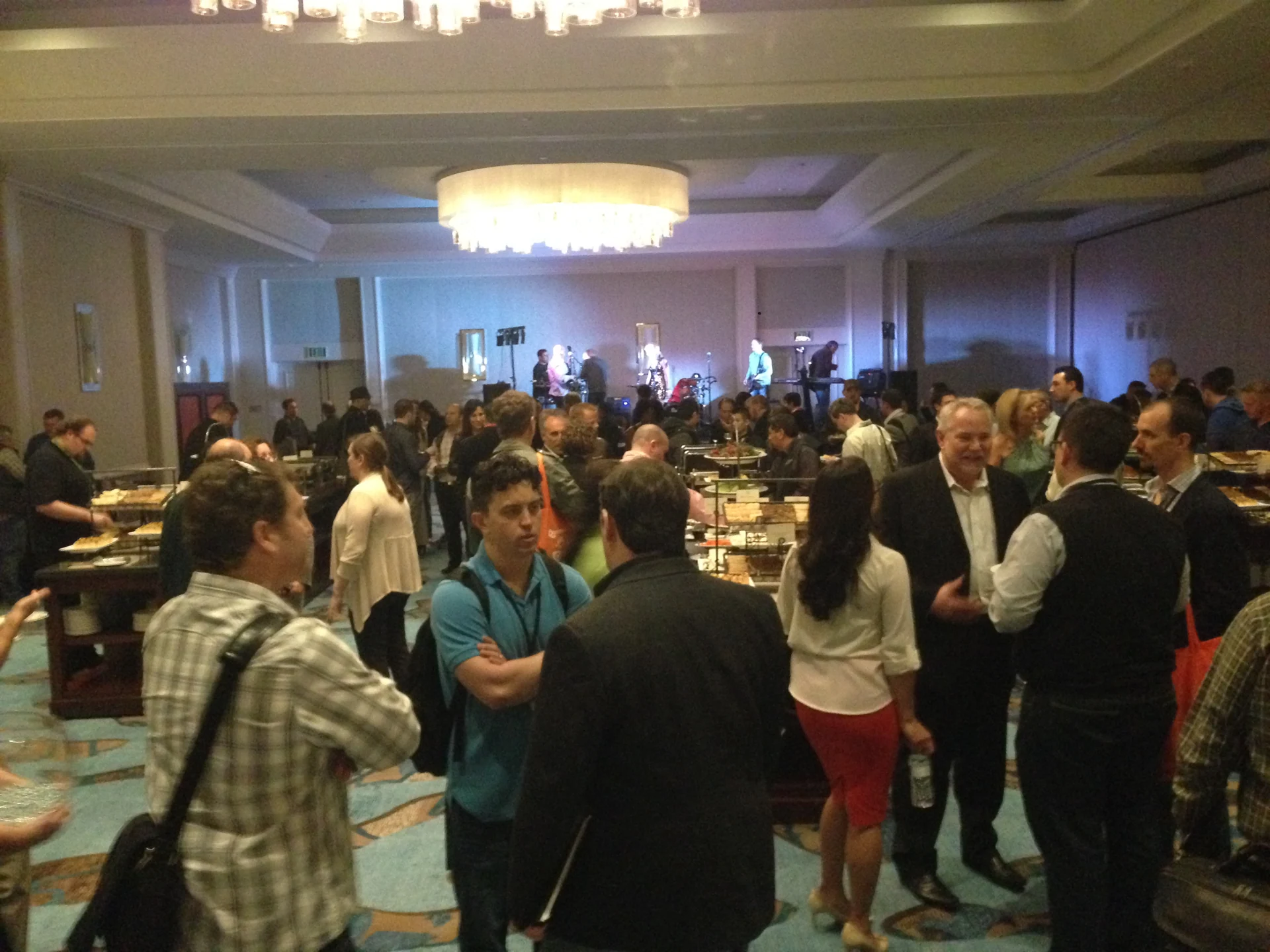
Between talks I could strike up a conversation with people already doing what I wanted to learn. They were from different countries, including some from the CIS. The speakers’ names were on the program, but some of the best things about the summit weren’t on it at all. Between sessions people talked about what they were working on, and I got to hear how someone else approached a problem I recognized.
What to Take Home from the Summit
The next morning, I also got to cross paths briefly with Kevin Harrington. He’s the other Kevin from Shark Tank, one of the show’s original investors. Back in the eighties he produced long TV commercials that showed you a product and let you order it right then. It echoed everything I’d been hearing here. On TV you show someone how a product works and give them a chance to buy. Online you can also see exactly where they changed their mind.
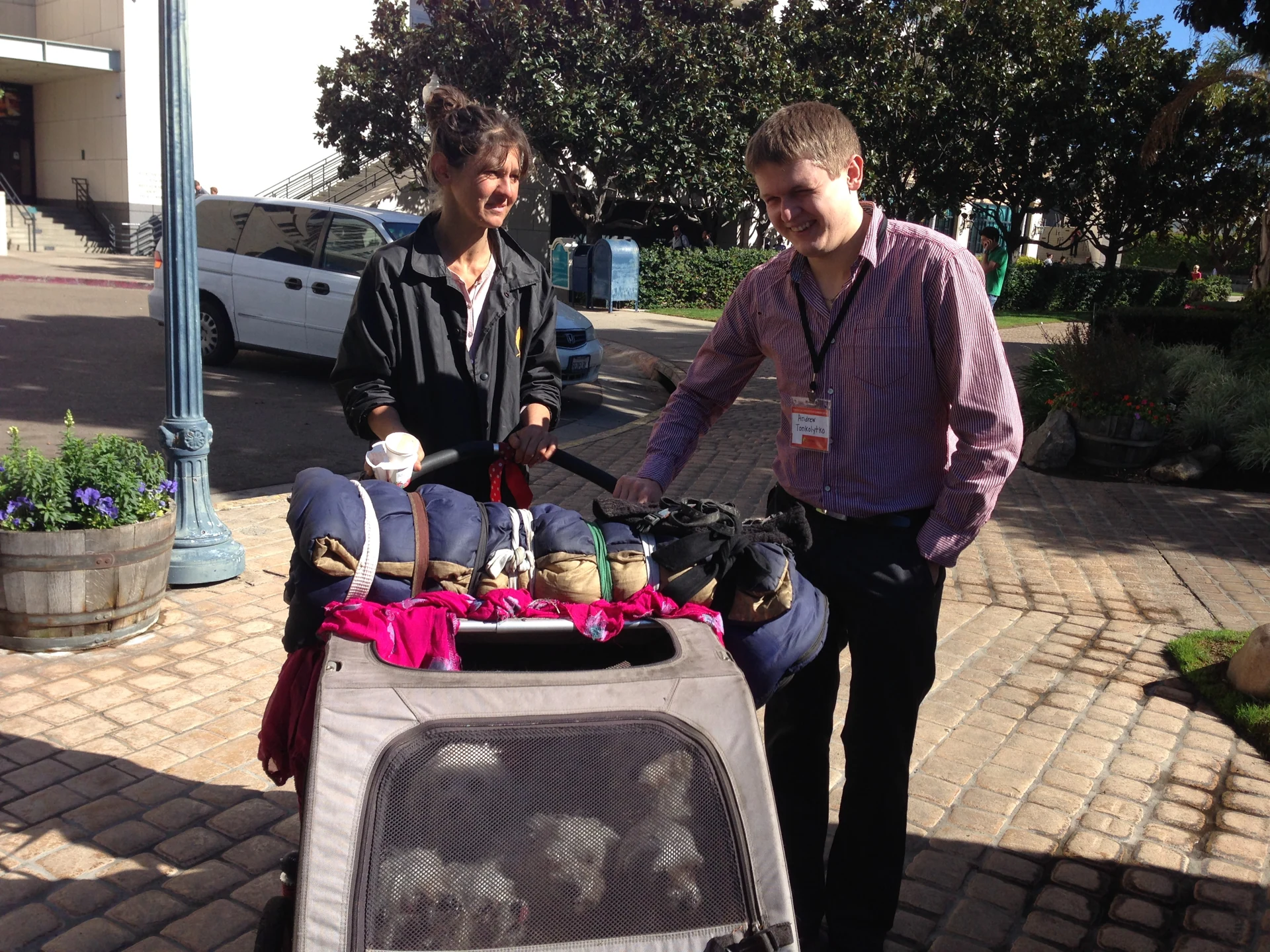
During a break I went back down to the water. Near Seaport Village I saw a woman pushing dogs in a stroller. A baby in a stroller wouldn’t have surprised me. I wasn’t quite used to seeing dogs in one.
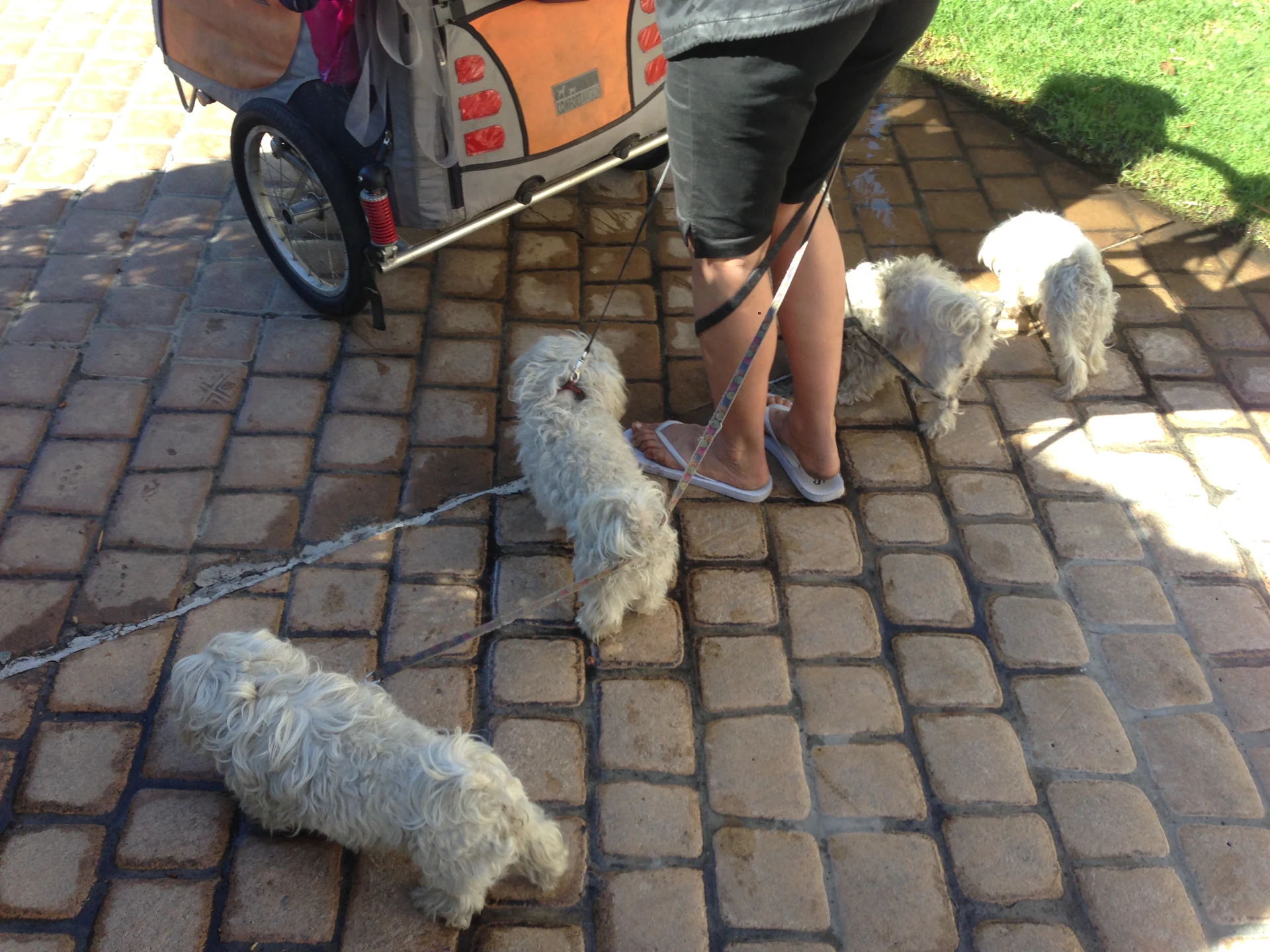
Up close I could see leashes by the stroller, too. At the summit I’d been trying to work out why people make the decisions they do. Here, I think it was simpler: why make the dogs walk the whole way when they can ride?
I kept walking along the water. After the talks I wanted a little time with those thoughts, without the next slide. I’d heard how other people did things. Now I had to figure out what might work for me, what was worth testing, and where I might see things differently. Otherwise all I’d bring home was a notebook full of other people’s conclusions.
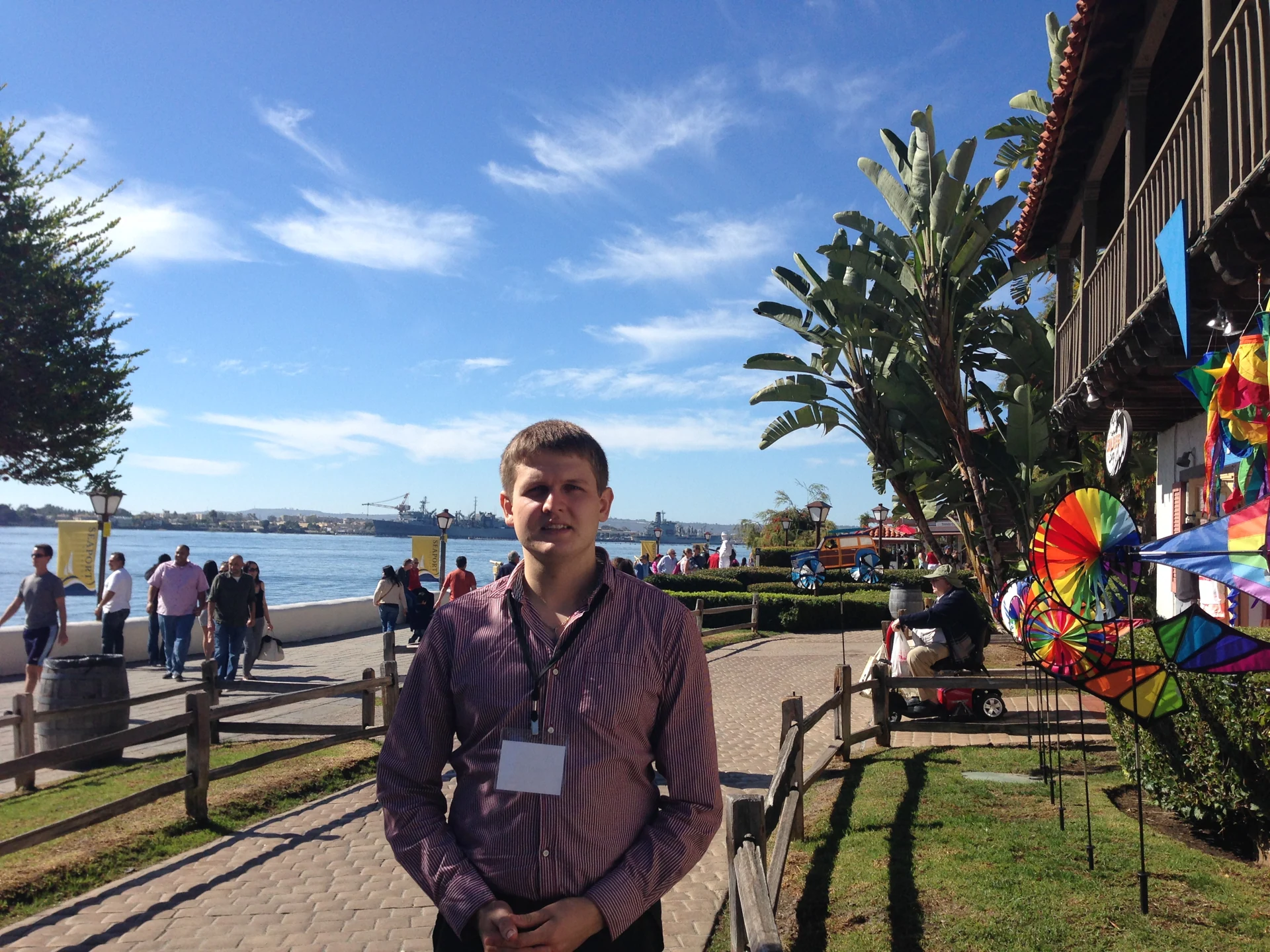
By Pier Café my mind went back to why I’d flown here in the first place. I already wanted to travel a lot, and something very practical had caught my attention: learning to make a good living without tying myself to one city. What I like about this work is that I can take a step, see what happens, and decide what to change next. I want to learn to work that way and find an approach of my own.