
Моя історія
My Story
Будьте самоуками, не чекайте, поки вас навчить життя.
Be self-taught; do not wait for life to teach you.
Станіслав Єжи Лец
Stanisław Jerzy Lec
Початок цієї історії — наче з невеселих анекдотів пізнього радянського періоду: батько інженер, мати вчителька. Власне, це привід не для сміху, а для державної ганьби, але зараз не про це. Я народився в небагатій сім’ї, і мені добре відомий той смак, якого набуває картопля, якщо її подають на сніданок, обід і вечерю.
The beginning of this story sounds like one of those rather unfunny jokes from the late Soviet era: father an engineer, mother a teacher. Actually, that is less a laughing matter than a national disgrace, but that is not what this is about. I was born into a family of modest means, and I know very well the particular flavour potatoes acquire when they are served for breakfast, lunch and dinner.
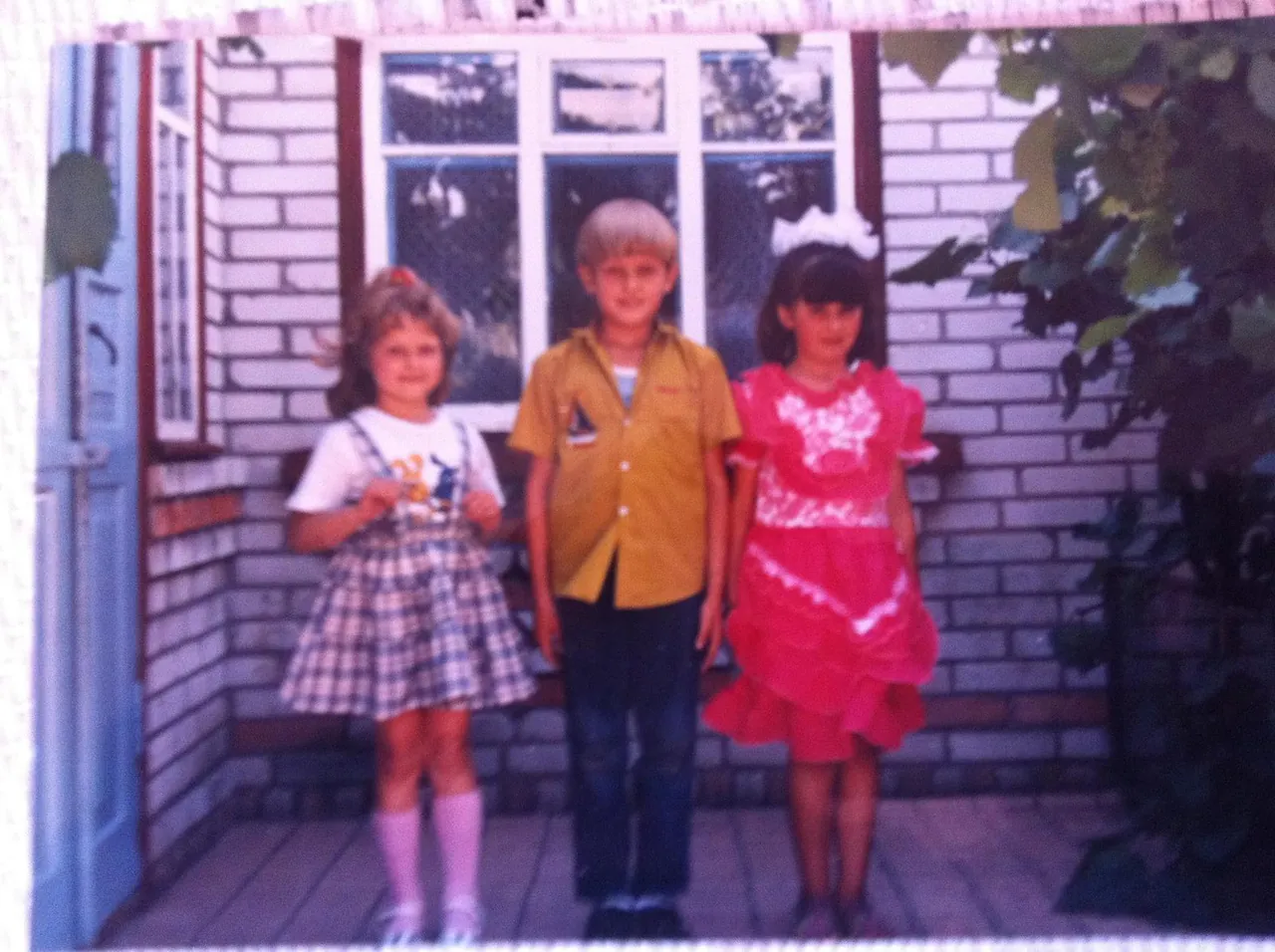
Небагата інтелігентна сім’я з-поміж тих, про які казали: «вони не вміють жити», бо для таких сімей не існувало жодного іншого вибору, крім внутрішньої порядності — і, відповідно, практично жодних шансів «красиво жити» в маразматичній фазі пізнього соціалізму. Чудові в мене батьки, і поважаю я їх по-справжньому, щиро і вдячно. Вони навчили мене НЕ вибирати між порядністю і чимось іще. Точніше, не те щоб якось спеціально «навчили», а просто жодних інших варіантів я не бачив.
An educated family without much money, the kind people described as “not knowing how to live”, because for families like ours there was no alternative to basic decency—and consequently almost no chance of “living the good life” in the senile phase of late socialism. My parents are wonderful people, and my respect for them is genuine, heartfelt and grateful. They taught me NOT to choose between decency and something else. Or rather, they did not exactly set out to “teach” me: I simply never saw any other options.
Але вже що-що, а любити своїх дітей батьки вміли, і тільки вони, — інженер і вчителька, — знають, чого їм це коштувало: виростити й відправити мене після школи до столичного Києва, у «Харчовий», тобто до Національного університету харчових технологій.
But if there was one thing my parents knew how to do, it was love their children. And only they—an engineer and a teacher—know what it cost them to bring me up and, after school, send me to Kyiv, the capital, to “Kharchovyi”: the National University of Food Technologies.
Жив я в гуртожитку.
I lived in a student dormitory.
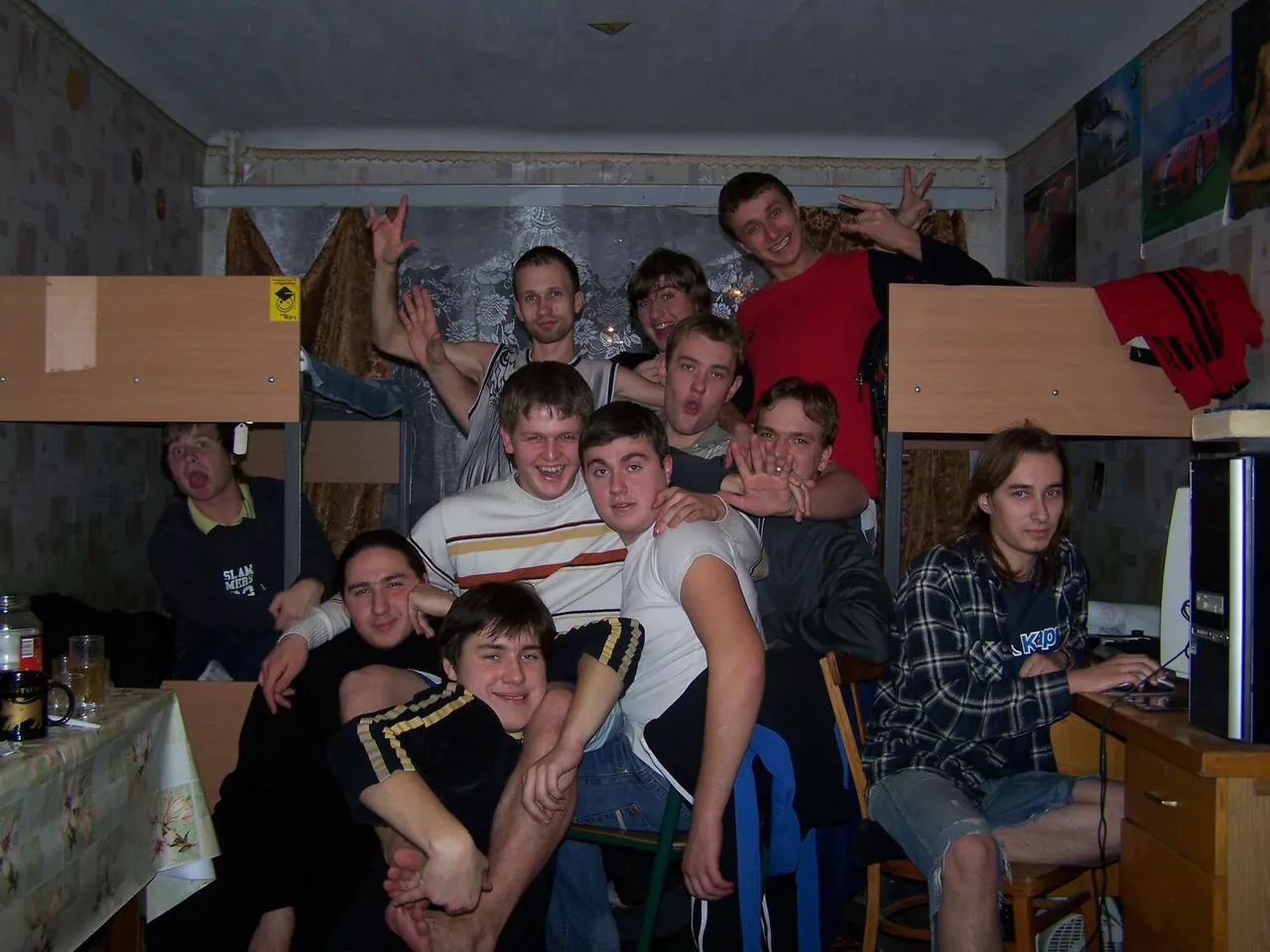
Це добряче змушує подорослішати й чудово позбавляє залишкових інфантильних ілюзій, якщо в когось вони й були. Про користь власне навчання і, зокрема, читання — скажу трохи пізніше. І так зрозуміло, що з цим зараз великі проблеми, що для величезної кількості молодих людей читати — це тяжка й нудна каторга, наприклад, передекзаменаційна. Але навіть у юності мене ще більше дивували люди іншого типу — які прочитали тисячі книжок і навіть не намагаються якось поєднати прочитане з реальним життям.
That does a splendid job of making you grow up and stripping away any lingering childish illusions, if you had any. I will come to the benefits of studying itself, and reading in particular, a little later. It is obvious enough that there are serious problems with both these days, that for a great many young people reading is tedious hard labour—before exams, for instance. But even when I was young, I was more puzzled by another sort of person: someone who had read thousands of books without even trying to connect any of it to real life.
Що стосується мене самого, то, звісно, жив я аж ніяк не за книжками, проте деякі речі врізалися в пам’ять раз і назавжди, ба більше — згодом виявилися правдою. «Знання нічого не варті, якщо у вас немає цілей, яких ви хочете досягти з їхньою допомогою» — за дослівність не ручаюся, але суть фрази саме така. Я прочитав її на другому курсі в книжці Н. Гілла.
As for me, I certainly did not live by the books. Still, some things stuck in my memory once and for all; more than that, they later turned out to be true. “Knowledge is worth nothing if you have no goals you want to achieve with it”—I cannot vouch for the exact wording, but that was the gist. I read it in my second year, in a book by Napoleon Hill.
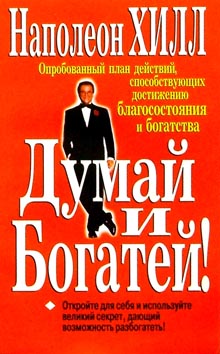
Одразу скажу, я не збираюся рекламувати тут чиїсь теорії або посилатися на якийсь інший досвід, крім власного; взагалі, ця книжка й потрапила до мене випадково. Я майже впевнений, що рано чи пізно дійшов би тієї самої думки й сам. Але все ж фраза запам’яталася: знання передбачають мету, а мета вимагає знань…
Let me say straight away that I have no intention of advertising anyone’s theories here, or drawing on any experience other than my own. The book only came my way by chance in the first place. I am almost certain I would eventually have arrived at the same idea myself. But the phrase stayed with me: knowledge implies a goal, and a goal calls for knowledge…
Моє навчання в «Харчовому», м’яко кажучи, не дуже вписувалося в цю струнку схему. Так, деякі предмети були цікавими (або, радше, їх цікаво викладали), але куди більше мене цікавив той факт, що я, страшенно здоровий і надзвичайно дорослий учорашній школяр, змушений користуватися щомісячною допомогою батьків у 500-1000 грн. Це було дуже незатишно. Ще гірше було з розумінням цілей: я лише знав, що за будь-яку ціну мушу втриматися в гуртожитку, в університеті, та й у Києві теж — малося на увазі, що я мушу втриматися й закріпитися в столиці. Інакше все виявилося б марним, і на мене чекала б у рідному місті нехитра «альтернативна історія», що складалася з майонезу з батоном, незачесаної дружини, горілки, матюків, багнюки, що хлюпає під ногами, та інших легкодоступних компонентів, які не потребують, як то кажуть, ні розуму, ні фантазії (не кажучи вже про цілі чи знання). Не подумайте, я люблю своє Рідне місто і з повагою ставлюся до його мешканців, але перспектив для розвитку молодого й амбітного юнака в ньому справді небагато. Я чітко розумів, що моє майбутнє буде значно кращим, якщо я втримаюся в столиці.
My studies at “Kharchovyi” did not, to put it mildly, fit very neatly into this tidy scheme. Yes, some subjects were interesting—or, more accurately, were taught in an interesting way—but I was far more preoccupied with the fact that I, a tremendously healthy and extraordinarily grown-up former schoolboy, was having to rely on 500–1,000 hryvnias a month from my parents. It was deeply uncomfortable. My understanding of goals was in even worse shape: all I knew was that, at any cost, I had to hang on to my place in the dormitory, at university, and in Kyiv itself. The idea was that I had to stay and establish myself in the capital. Otherwise it would all have been for nothing, and back in my hometown I would have faced an uncomplicated “alternative history” consisting of mayonnaise on white bread, an uncombed wife, vodka, swearing, mud squelching underfoot and other readily available ingredients requiring, as they say, neither brains nor imagination—let alone goals or knowledge. Do not get me wrong: I love my hometown and respect its people, but it really does offer few prospects for a young, ambitious man to develop. I understood very clearly that my future would be considerably better if I could hold my ground in the capital.
Водночас я вже встиг з’ясувати, що робота за спеціальністю обіцяла мені блискучу перспективу у вигляді 500 у.о. на місяць. Це, звісно, більше, ніж 500 батьківських гривень, проте від цих доходів мене відділяли років десять роботи на побігеньках.
By then I had also discovered that a job in my field promised the glittering prospect of 500 conventional units a month. More than 500 parental hryvnias, of course, but between me and that income lay about ten years of running errands.
Тут було над чим замислитися. Теоретично існувало… ну просто мусило існувати інше життя, — забезпечене, щасливе (попри хронічний абсурд навколо), успішне, насичене цікавою діяльністю... словом, як у відомій приказці: «гроші нормальній людині потрібні лише для того, щоб про них не думати». Я розумів, що думати мені доведеться ще довго й багато, і ніхто за мене цього не зробить. Розумів, що мушу вірити в реальність такого dream-life, оскільки без віри і, якщо хочете, без упертості гідної долі собі не змайструєш. Але розумів і те, що самої віри буде все-таки замало.
There was something to think about. In theory, another life existed… well, it simply had to exist: comfortable, happy despite the chronic absurdity all around, successful, full of interesting things to do… In short, as the familiar saying goes, “A normal person only needs money so they do not have to think about it.” I understood that I still had a great deal of thinking to do, for a long time to come, and nobody would do it for me. I understood that I had to believe a dream-life like that was possible, because without belief—and, if you like, stubbornness—you cannot build yourself a decent future. But I also understood that belief alone would not be enough.
Я перечитав безліч усякої всячини, і ще стільки ж переслухав аудіокнижок, ще більше ввібрав тренінгів і семінарів.
I read all sorts of things, listened to just as many audiobooks, and soaked up even more training courses and seminars.

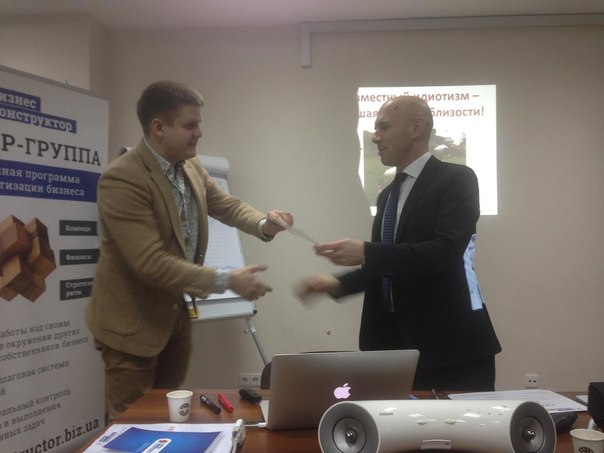

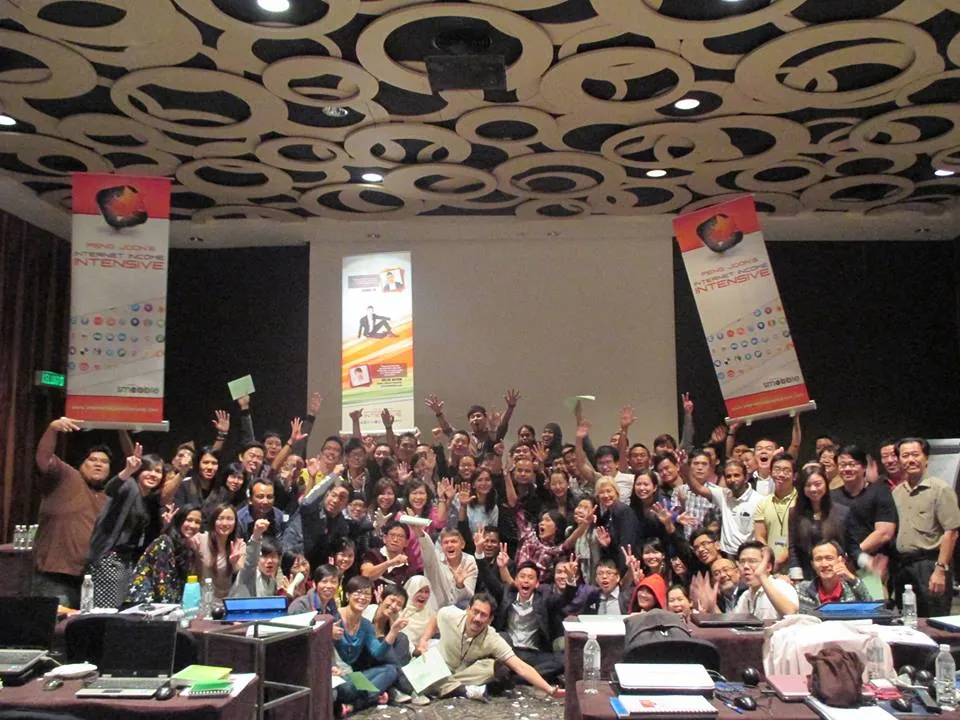
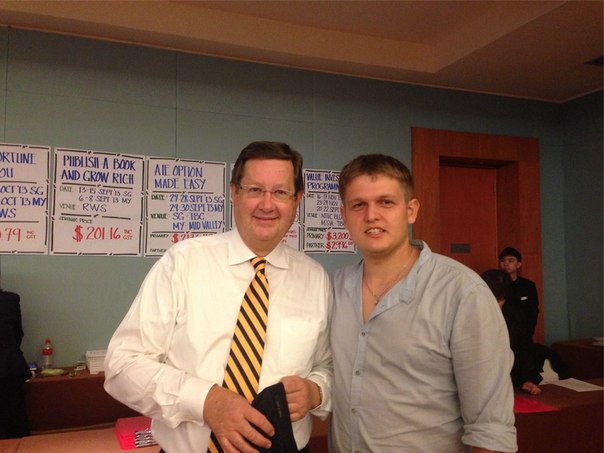

На цьому історію можна було б закінчити, додавши: «…тому я досяг успіху» або «…я виграв у лотерею два мільйони й винятково завдяки знанням досяг мети». Ба більше, у це й повірили б охочіше. Що дурніші дива, то охочіше в них чомусь вірять. Але реальна історія трохи довша.
I could have ended the story there, adding “…and that is why I became successful”, or “…I won two million in the lottery and achieved my goal solely thanks to my knowledge.” People would probably have found that easier to believe, too. For some reason, the more ridiculous the miracle, the more readily people believe in it. But the real story is a little longer.
Ні книжки, ні знання, ні цілі не завадили мені зробити найбанальніший у світі крок: піти працювати. Ось тут, мабуть, історія звичайного столичного студента з провінції перестає бути такою вже звичайною; мені зараз самому трохи дивно читати список своїх студентських робіт і занять. Менеджер із продажу; торговий агент; організатор тисячних мітингів для чесних і мудрих політиків; промоутер; мерчандайзер; роздавач листівок; аніматор;
Neither books, nor knowledge, nor goals stopped me taking the most ordinary step in the world: getting a job. This is probably where the story of an ordinary provincial student in the capital stops being quite so ordinary. Even I find it rather strange now to read the list of jobs and occupations I had as a student. Sales manager; sales representative; organiser of rallies for thousands of people on behalf of honest and wise politicians; promoter; merchandiser; leaflet distributor; entertainer;
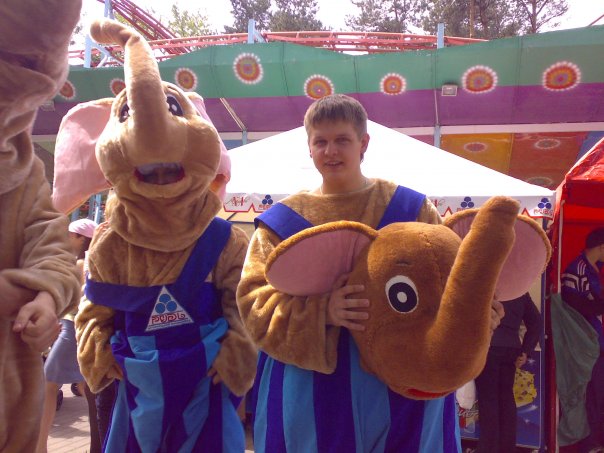
і ще кимось я тоді працював, і ще, і паралельно займався мережевим маркетингом, і вже в студентські роки заробляв від 700 до 1000 доларів на місяць.
and I did other jobs, and then some more, while also working in network marketing. Even as a student, I was earning between 700 and 1,000 dollars a month.

Тут треба згадати, що базувався я все ще в гуртожитку, і на ті часи (та й на нинішні, звісно, теж) це вже не було типовим для студента підробітком. Ще менш типовими були такі проблеми, як «заощадження» чи «інвестиції» — а час було, мабуть, звикати навіть до такої термінології. У той період я вже, мабуть, умів знаходити людей, які розбираються в цікавих мені галузях краще, ніж написано в книжках — і довіряти експертній думці. Так скажімо, іноді корисно вийняти навушники й послухати, що тобі кажуть. Тим часом університет забезпечив мене нарешті дипломом і побажав плідної роботи на благо країни. Я від щирого серця побажав йому того самого (досі не знаю, у кого було більше на те підстав). :)
Remember that I was still based in the dormitory, and by the standards of the time—and today’s, of course—that was no longer a typical student side job. Still less typical were problems such as “saving” or “investing”, but apparently it was time to get used even to that terminology. By then I seem to have learnt how to find people who understood the fields that interested me better than the books did—and to trust expert opinion. Let us put it this way: sometimes it pays to take your headphones out and listen to what people are telling you. Meanwhile, the university finally equipped me with a diploma and wished me a productive career for the good of the country. I wished it exactly the same, from the bottom of my heart. To this day I am not sure which of us had more reason to. :)
Ми з друзями винайняли квартиру неподалік від Палацу «Україна». Я вже знав, що мені час займатися власною справою, і ми, піддавши ситуацію «науковому аналізу», відкрили агентство нерухомості. Хтось, усміхнувшись, припустить, що ми прогоріли вже наступного дня — і буде неправий, бо наше агентство, перш ніж прогоріти, пропрацювало аж три місяці. Без досвіду, без серйозних зв’язків, без потужного стартового капіталу, та ще й у розпал кризи 2008 року… ну, може, хтось протримався б довше.
Some friends and I rented a flat near the Ukraina Palace. I already knew it was time to start my own business, so, after subjecting the situation to “scientific analysis”, we opened an estate agency. Someone will smirk and assume we went bust the very next day. They would be wrong: before going bust, our agency lasted a whole three months. No experience, no serious connections, no substantial start-up capital, and right in the middle of the 2008 crisis… Well, perhaps someone else would have lasted longer.
Далі почалася ринкова економіка, відома в народі під назвою «купи-продай». Особливого заробітку, всупереч думці того самого пострадянського народу про багатіїв-спекулянтів, це не приносило, та й планомірний системний успіх нагадувало мало.
Next came the market economy, popularly known as “buy and sell”. Contrary to the widespread post-Soviet view of rich profiteers, it did not make me much money, nor did it much resemble steady, systematic success.
Була ціла низка цілком передбачуваних запитань, які мав поставити собі молодий знавець Гілла й Кійосакі, що вже непогано розбирався у фінансових інструментах та закономірностях (аж ніяк не таких уже очевидних і простих, як багатьом здається за чаркою чи на лавочці під під’їздом). Щось у мене потроху накопичувалося, але до справжньої фінансової міцності було ще далеко, як до неба… пішки.
There was a whole series of entirely predictable questions that this young connoisseur of Hill and Kiyosaki ought to have asked himself. By then I had a fairly good grasp of financial instruments and patterns—not nearly as obvious or simple as many people imagine over a drink or on a bench outside their apartment building. I was gradually accumulating something, but real financial security was still as far away as the sky… on foot.
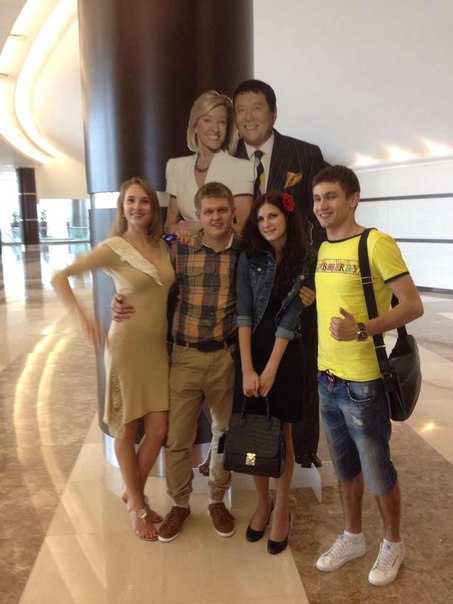
Ловити велику рибу слід там, де вона водиться, чи не так? Заробляти гроші найлогічніше там, де їх багато. Словом, щоб не розмінюватися на дрібниці, подався я одразу на американський фондовий ринок. Якихось років п’ять тому такі абревіатури, як NYSE, NASDAQ чи AMEX, були для мене чистою абстракцією з телевізора, на кшталт приватного реактивного літака (щоб швидше літати по картоплю) або званої вечері в англійської королеви. Але виявилося, що «десь там» можуть знадобитися навіть зелені молоді хлопці, і їх навіщось навчають базових принципів і тонкощів біржової торгівлі, ринкової психології, та й узагалі всієї цієї багатовимірної координатної системи, у якій прокреслюються траєкторії грошей. У таких координатах я існував і мислив приблизно пів року, поступово просочуючись фінансовою гравітацією й виробляючи необхідні інстинкти.
You should fish for big fish where they actually live, should you not? The logical place to make money is where there is plenty of it. In short, rather than waste time on small stuff, I went straight to the American stock market. Only about five years earlier, abbreviations such as NYSE, NASDAQ and AMEX had been pure television abstractions to me, like a private jet—to nip out for potatoes more quickly—or a dinner invitation from the Queen of England. But it turned out that even green young lads could be useful “somewhere out there”, and for some reason people taught them the basic principles and subtleties of stock trading, market psychology and, indeed, that entire multidimensional coordinate system in which the trajectories of money are plotted. I lived and thought in those coordinates for roughly six months, gradually absorbing financial gravity and developing the necessary instincts.


Знань заробив — на двадцять книжок; грошей — на харчування й оплату квартири (хоча у фактичному управлінні були сотні тисяч невидимих чужих доларів). Щось тут було не так. Саме на цьому етапі мені потрапила до рук відома книжка (знову книжка!) Бренсона, найпотужнішою частиною якої була назва: «До біса все, берися й роби!»
I earned enough knowledge for twenty books; enough money for food and rent, although I was actually managing hundreds of thousands of other people’s invisible dollars. Something was not right. It was at that point that Branson’s famous book—another book!—fell into my hands. Its most powerful part was its title: “Screw It, Let’s Do It!”
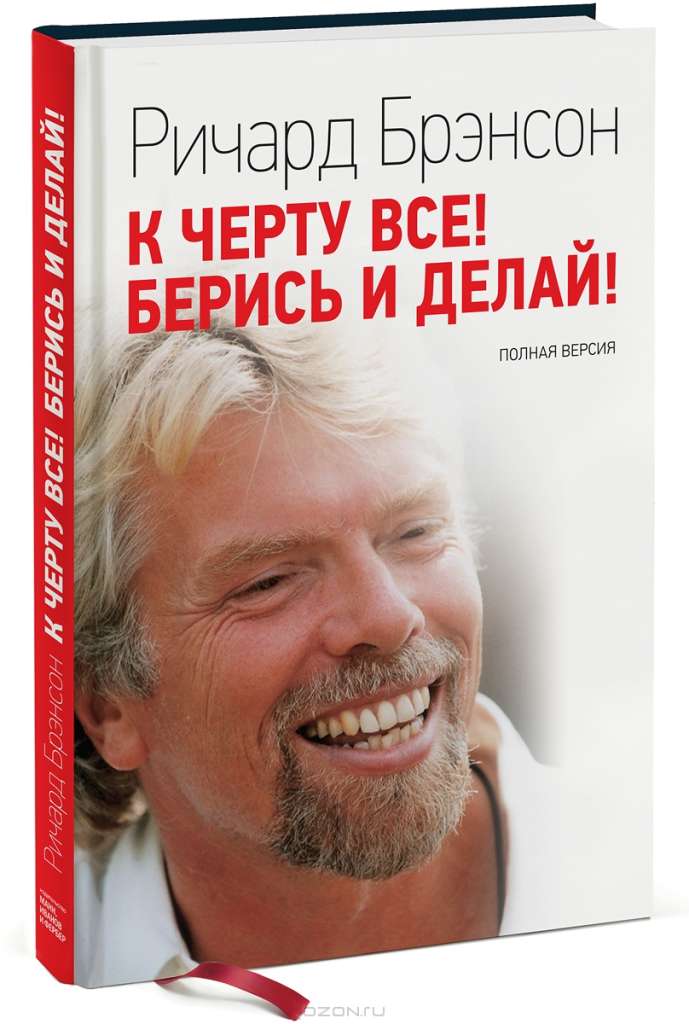
Крім іншого, там пропагувалася нехитра, загалом-то, думка: якщо тобі вже давно не подобається те, чим ти займаєшся — ти все одно не зможеш досягти справжнього успіху, тому кидай і шукай ту справу, яка підійматиме тебе раніше за будильник. Утім, про це говорив іще Конфуцій, причому набагато коротше: знайди собі справу до душі, і тобі ніколи не доведеться працювати.
Among other things, it promoted a fairly simple idea: if you have disliked what you do for a long time, you will never truly succeed at it anyway, so quit and find something that will get you out of bed before the alarm clock. Confucius said much the same thing, only rather more briefly: find something you love doing, and you will never have to work.
Отже, до біса все; час братися й робити. Першу частину цього бізнес-плану, скажу без вихваляння, я здійснив швидко й у повному обсязі. На шляху до другої частини підтвердилася ефективність такого чинника, як ділові зв’язки. У совково-радянському, а за інерцією — і в пострадянському менталітеті слово «зв’язки» має складний і дещо негативний смисловий відтінок. По блату, мовляв, усе робиться, за дзвінком «кому треба». У всьому іншому світі, треба сказати, ділові зв’язки є таким самим корисним, цінним і навіть продаваним продуктом, як нафта, як репутація чи як ноу-хау.
So, screw it: time to get on and do it. Without wishing to boast, I carried out the first part of that business plan quickly and in full. On the way to the second, the effectiveness of business connections became apparent. In the drearily Soviet mindset—and, through inertia, the post-Soviet one too—the word “connections” carries a complicated and somewhat negative meaning. Everything gets done through favours, they say, through a phone call to “the right person”. In the rest of the world, business connections are as useful, valuable and even marketable a product as oil, reputation or know-how.
Так от, попри всю мою молодість, мене вже ніяк не можна було назвати зеленим новачком у цьому світі. Про це знали, це розуміли. І вже не була випадковістю розмова з одним зі знайомих, який сказав мені приблизно таке: відкривається нова масштабна фінансова компанія, і мені потрібен помічник — із твоїм досвідом.
Well, young as I was, nobody could any longer call me a complete novice in that world. People knew that; they understood it. So there was nothing accidental about a conversation with an acquaintance who told me, more or less: a new, large-scale financial company is opening, and I need an assistant—with your experience.
Трохи подумавши, я погодився. Уже за якийсь рік майже цілодобової (по 15-17 годин) роботи я відчув себе значно впевненіше. Те, що я заробив, — причому заробив за всіма правилами fair play, за допомогою тих самих знань і досвіду, — це вже не було заначкою під матрацом «на чорний день». Це вже був перший капітал.
I gave it a little thought and agreed. After only about a year of almost round-the-clock work—15–17 hours a day—I felt considerably more confident. What I had earned, and earned entirely by the rules of fair play, using that same knowledge and experience, was no longer a little stash under the mattress “for a rainy day”. It was my first capital.

Ба більше, заради усмішки уточню, що за підсумками року виграв… та ні, усе ж не мільйон у лотерею, а «Ланос» у конкурсі.
And, just to raise a smile, let me add that at the end of the year I won… no, still not a million in the lottery, but a Lanos in a competition.
Тут просто необхідно зупинитися й уточнити деякі важливі моменти, пов’язані з fair play, «чесною грою». Звісно, я не з Місяця звалився й чудово розумів, що для т. зв. «дикого капіталізму», «базарної економіки» та «періоду первісного накопичення капіталу» чесне ведення справ, та й просто елементарна порядність — усе це не лише нетипово, а й викликає якісь співчутливі, здивовані й навіть насторожені погляди. Простіше кажучи, на тебе дивляться, як на блаженного: мовляв, тобі більше за всіх треба, чи що? Усі по поняттях, а цей, бачте, по-чесному-благородному… Спочатку мене це навіть забавляло, потім набридло. Мабуть, річ тут у тім, що світ не обмежений рамками однієї пострадянської країни. І в тому великому світі, який побудований за законами логіки, який живе за цими законами, вести справи якось інакше (по-сірому, по-чорному, по-подвійному, по-лохотронному) просто економічно неможливо. Невигідно. Як явище — усе це, безумовно, удосталь водиться й «там» теж. Аякже! Але «там» це можна зробити один раз; ну два, ну три… після чого доведеться просто зникнути десь на тихоокеанському острові, якщо вкрав або накомбінував достатньо багато. Адже не заради красного слівця сказано: ділові зв’язки, ділова репутація — це теж товар, точніше, фінансовий інструмент, що продає, причому інструмент дорогий і дуже ефективний. Не тому, що «там» усі чесні, а тому, що така логіка грошей.
This is where I need to pause and clarify a few important things about fair play. I had not just fallen off the Moon, of course. I understood perfectly well that in so-called “wild capitalism”, the “bazaar economy” and the “period of primitive accumulation”, doing business honestly—or simply behaving decently—was not just unusual: it drew looks of sympathy, surprise and even suspicion. Put simply, people looked at you as if you were a holy fool: what, do you need to be better than everyone else? Everyone else follows the unwritten rules, and here comes this one, all honest and noble… At first I even found it amusing; then I grew bored of it. Perhaps the point is that the world does not end at the borders of one post-Soviet country. And in that larger world, built on logic and living by it, doing business any other way—in grey areas, in the shadows, by double-dealing or scamming—is simply economically impossible. It does not pay. Of course, as a phenomenon, all of that exists in abundance “over there” too. Naturally! But “over there” you can do it once; well, twice, three times… after which you have to disappear somewhere on a Pacific island, assuming you have stolen or schemed your way into enough money. It is not just a pretty phrase: business connections and business reputation are commodities too—or, rather, financial instruments that help you sell, expensive and highly effective ones. Not because everyone “over there” is honest, but because that is the logic of money.
А може, усе набагато простіше; можливо, у мене самого просто не виходить інакше, тому тільки й залишається, що проповідувати фейр-плей. Не навчили мене, чи що, «чисто конкретного, як у всіх» бізнесу, чи надто вже він неприємний… Повірте, нічого в мене над головою не світиться, і крил за спиною теж немає, і юродивим жебраком я не є. Але от наймаю я, наприклад, двох хлопців, і заробляємо ми втрьох, припустімо, бублик. Заробляємо на моїх грошах, знаннях, досвіді й інтуїції, — хай навіть так, — але ж і на їхній праці все-таки! Як ділити цей бублик? Одному віддати від нього дірку, другому целофанову обгортку, решту забрати собі… От від такого способу мені завжди ставало якось нудотно, чи що. Знаєте, є такі люди, які з апетитом їдять і навіть плямкають від задоволення, коли на них хтось поруч дивиться голодними очима, а є такі, які фізично не здатні жувати в цій ситуації. Несмачний він мені, такий бублик, і сам я собі якось не подобаюся (а люблю подобатися), і якась скалка починає свербіти. Іноді кажуть, що це совість, що це в мене вроджене й що позбутися цього не так-то просто — хоча багатьом, звісно, вдається. Але мені от комфортніше, спокійніше й приємніше, коли всі задоволені й усі зі смайликом, і коли сам собі я теж подобаюся, тож вважайте цю позицію чистим егоїзмом. Є такий погляд на речі: жодного альтруїзму, мовляв, насправді не існує, а чинить порядно людина лише заради власного задоволення. Ну, значить, так і є.
Or perhaps it is much simpler. Perhaps I just cannot do it any other way, which leaves me with nothing to do but preach fair play. Perhaps nobody taught me the “proper, hard-nosed, just-like-everyone-else” sort of business, or perhaps I find it too unpleasant… Believe me, nothing is glowing above my head, I have no wings on my back, and I am no penniless holy fool. But suppose I hire two guys and the three of us earn, say, a bagel. We earn it using my money, knowledge, experience and intuition—let us grant all that—but their labour went into it too! How do we divide this bagel? Give one of them the hole, the other the cellophane wrapper, and keep the rest… That approach has always made me feel slightly sick. You know how some people can eat with gusto, even smack their lips with pleasure, while someone beside them watches with hungry eyes? And how others physically cannot chew in that situation? That sort of bagel does not taste good to me. I do not much like myself either—and I like liking myself—and something starts to nag like a splinter. People sometimes call it a conscience, say I was born with it and that it is not so easy to get rid of—though plenty of people manage, of course. But I feel more comfortable, calmer and happier when everyone is satisfied and smiling, and when I like myself too, so feel free to call that pure selfishness. There is a school of thought that altruism does not really exist, that people only behave decently for their own pleasure. Well then, so be it.
Отже, з чистого егоїзму за останні кілька років я допоміг дуже багатьом людям. Комусь просто грошима, комусь дав заробити, комусь не дав втратити… Це настільки очевидний факт, а люди ці настільки матеріальні й настільки численні, що я навіть не соромлюся про це говорити. На якомусь етапі спробував прикинути, яку частину із зароблених грошей я витрачаю особисто на себе. Відсоток вийшов невеликий і при цьому цілком достатній, та ще й душевний комфорт; інакше кажучи, коефіцієнт корисної (для інших) дії в мене виявився не гіршим, ніж в електричного трансформатора.
And so, out of pure selfishness, I have helped a great many people over the past few years. Some with money, some by helping them earn it, some by stopping them losing it… This is such an obvious fact, and those people are so real and so numerous, that I am not even embarrassed to say so. At one point I tried to work out how much of the money I earned I spent on myself. The percentage was small but quite sufficient, with peace of mind thrown in. In other words, my efficiency—in terms of usefulness to others—turned out to be no worse than that of an electrical transformer.
Але я відволікся, пояснюючи цілком природні для мене речі, які, як я бачив, багатьом незрозумілі. Повернімося до історії, далі буде цікавіше.
But I have wandered off, explaining things that seem perfectly natural to me but that, as I have seen, many people do not understand. Back to the story. It gets more interesting from here.
У компанії я пропрацював пару років. Знову ж таки, досвід, відсутність крилець за спиною, знання й усе таке. Але, хай як смішно це звучить, далеко не відразу я почав розуміти, що компанія (на яку працює такий от розумник) являє собою один із модифікованих варіантів фінансової піраміди й нічого більше. Це було дивне відкриття й дивне відчуття; залишалося тільки знизати плечима й чемно попрощатися: дякую, джентльмени, але це не моє. Компанія, як неважко здогадатися, розвалилася.
I worked at the company for a couple of years. Experience, no wings on my back, knowledge and all that. Yet, ridiculous as it may sound, it took me a while to realise that the company employing such a clever fellow was nothing more than a modified version of a pyramid scheme. It was a strange discovery and a strange feeling. All I could do was shrug and politely say goodbye: thank you, gentlemen, but this is not for me. The company, as you can probably guess, fell apart.
Або взяти от історію про те, як я відмовився в одній із компаній від величезної суми грошей. Ті, хто знає мене досить давно й добре, досі піджартовують, — мовляв, інший би влаштував про себе шоу під назвою «Як відмовитися від мільйона», а ти навіть дверима як слід не грюкнув; та й нові знайомі іноді дивуються: то це був ти?! Отак просто взяв і відмовився від такої суми?!?! — і дивляться, як на ненормального. Ну, не зовсім уже «просто взяв і відмовився», усе-таки роботи було шкода, і часу, і хлопців із моєї команди… але — так, це був я, і мільйон горезвісний був мій, причому на той момент єдиний. Працювали ж ми на повну силу, проте ніхто із зовнішніх інвесторів не мав постраждати через те, що працювати довелося, як то кажуть, не в той час і не в тій компанії. Тому рішення було якимось… автоматичним, чи що, буденним, без особливих емоцій. відмовився та й відмовився, що тут згадувати.
Or take the story of how I walked away from an enormous amount of money at one company. People who have known me well for long enough still tease me: someone else would have put on a whole show called “How to Walk Away from a Million”, they say, and you did not even slam the door properly. Even new acquaintances sometimes react in surprise: that was you?! You just up and walked away from that much money?!?! And they look at me as if I am mad. Well, it was not quite “just up and walked away”. I regretted the work, the time and the guys on my team… but yes, it was me, and that much-discussed million was mine—the only one I had at the time, too. We had worked flat out, but no outside investor should have suffered because we had happened to work, as they say, at the wrong time and for the wrong company. So the decision felt rather… automatic, I suppose. Ordinary, without much emotion. I walked away, that was that. What is there to talk about?
А ви б не відмовилися?
Would you not have walked away?
Отже, знову «до біса все — берися й роби». Команда була, причому цілком працездатна, тому ми взялися й зробили квітковий магазин. Це була перша всерйоз організована (на відміну від злощасного агентства нерухомості), ретельно продумана й заздалегідь проаналізована власна інвестиція. Паралельно з цим щось мені вже підказувало, що горезвісні «знання-досвід» насправді здобуваються дещо інакше (принаймні не лише набиванням ґуль на лобі), і є безліч речей, яких треба вчитися довго, уважно й серйозно — як то кажуть, не для диплома, а щоб знати. Відтоді я взяв за правило частину прибутку вкладати у власне навчання. І жодного разу про це не пошкодував. Це окупається.
So, once again: “Screw it—let’s do it.” There was a team, and a perfectly capable one at that, so we got on and opened a flower shop. It was my first properly organised, carefully thought-out and thoroughly analysed investment of my own, unlike the ill-fated estate agency. Meanwhile, something was already telling me that this celebrated “knowledge and experience” could actually be acquired in other ways—not just by collecting lumps on your forehead, at any rate—and that there were many things you had to study for a long time, carefully and seriously. Not for a diploma, as they say, but to actually know them. From that point on, I made it a rule to invest part of my profits in my own education. I have never regretted it. It pays off.
Я пішов навчатися до Української Вищої Школи Бізнесу.
I enrolled at the Ukrainian Higher School of Business.

Маркетинг, фінанси, реклама, тимбілдинг, планування, управління, створення системного бізнесу, стратегія, тактика… Найцікавішим для мене на той момент був інвестиційний бізнес, і саме він став темою мого дипломного проєкту в УВШБ. Я створив у партнерстві групу компаній, яку для себе визначив як інвестиційний фонд: фінансові активи, високоризикові активи, роздрібний бізнес, патенти… такий от фонд. Мені, зауважте, ще не було 23 років. На чомусь заробляти виходило, на чомусь — ні; на те вони й високоризикові, активи ці. І все ж приблизно раз на рік (а таких років було чотири) капіталізація збільшувалася більш ніж на порядок. Принципи були прості й зрозумілі, майже як заповіді: діяльність активів не повинна порушувати законів території, де вони працюють; діяльність не повинна порушувати моральних законів соціуму; діяльність не повинна суперечити правилам тієї конкретної системи, у якій працює конкретний актив. Можу лише сказати, що всіх цих правил — можна дотримуватися. Згодом до цього фонду увійшли: мережа продуктових магазинів, мережа хостелів, виробництво плитки, продаж кави й кавомашин ресторанам і супермаркетам, сервіс-центр мобільних телефонів, інтелектуальна настільна гра Вікеномі, проп-центр із торгівлі на «Форекс», адвокатське об’єднання та ін. У мене розвинулося портфельне інвестиційне мислення.
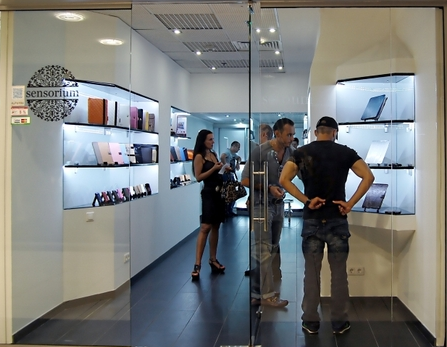
Marketing, finance, advertising, team-building, planning, management, building a systematic business, strategy, tactics… What interested me most at the time was investing, and that became the subject of my graduation project at the Ukrainian Higher School of Business. Together with partners, I created a group of companies that I thought of as an investment fund: financial assets, high-risk assets, retail businesses, patents… that sort of fund. Bear in mind that I was not yet 23. Some things made money, others did not; that is why they call them high-risk assets. Nevertheless, roughly once a year—and there were four such years—capitalisation increased more than tenfold. The principles were simple and clear, almost like commandments: the assets’ activities must not violate the laws of the territory where they operate; they must not violate society’s moral laws; and they must not go against the rules of the particular system in which each asset operates. All I can say is that these rules can be followed. Over time, the fund came to include a chain of grocery shops, a chain of hostels, tile manufacturing, sales of coffee and coffee machines to restaurants and supermarkets, a mobile-phone service centre, the intellectual board game Vikenomy, a Forex proprietary trading centre, a law firm and more. I developed a portfolio-investment mindset.
Зізнаюся, усе-таки бували спокуси йти звичною стежкою «швидкого бізнесу», та й запрошення надходили — наприклад, приєднатися до когось із ділових партнерів у хитромудрому проєкті, заробити 100-200 тисяч доларів за пів року, а потім… Але робити цього я не став тоді й не збираюся надалі; такого досвіду мені, здається, достатньо. Як казав один із викладачів в УВШБ, «головна проблема українського бізнесу в тому, що бізнесмени гроші люблять більше, ніж власний бізнес».
I admit there were temptations to take the usual “fast business” route, and invitations too: join one of my business partners in an ingenious scheme, for instance, make 100–200 thousand dollars in six months, and then… But I did not do it then, and I have no intention of doing it in future. I think I have had enough of that sort of experience. As one of our teachers at the business school used to say, “The main problem with Ukrainian business is that businesspeople love money more than they love their businesses.”
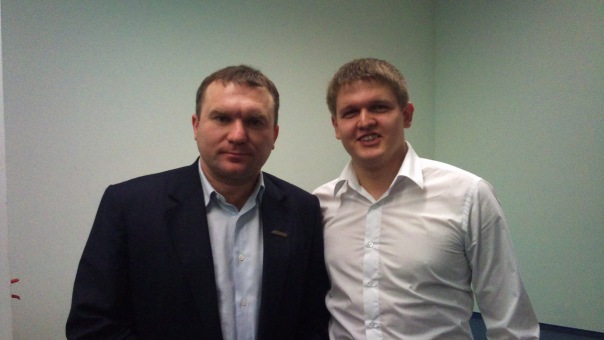
Це сказано влучно й із гіркотою; мабуть, так воно і є, і має минути час, — багато часу, — щоб цей спосіб мислення хоч трохи змінився. Але мені хочеться щось робити, мені справді подобається вчитися й розвиватися, і я справді волію приносити людям реальну користь… мабуть, це смішно? Десь я чув: «зараз стало соромно соромитися й усерйоз говорити про серйозні речі». Мені не соромно. Узагалі, на мій погляд, соромитися треба тоді, коли ти жива людина, а тобі нудно. Чимало ж таких: нудно жити, нудно починати щось нове, нудно читати, нудно мати совість і думати про інших, узагалі думати нудно… Оце, як на мене — соромно.
A sharp observation, and a bitter one. It is probably true, and it will take time—a great deal of time—for that way of thinking to change even a little. But I want to do things. I genuinely enjoy learning and developing, and I genuinely prefer to be of real use to people… Is that funny, perhaps? Somewhere I heard: “These days it has become embarrassing to feel embarrassed, or to talk seriously about serious things.” I am not embarrassed. In my view, what you should be ashamed of is being alive and bored. There are plenty of people like that: bored with life, bored with starting something new, bored with reading, bored with having a conscience and thinking about others, bored with thinking at all… That, to my mind, is shameful.
Але по-своєму мали рацію й ті, хто казав мені: «Тут такі, як ти, мрійники просто не виживають». Щоб якось проілюструвати цю тезу, наприкінці 2012 року життя показало мені смугу серйозних неприємностей, цілком типових для нашого затяжного «перехідного періоду». Я вже не був таким самовпевненим і наївним, але — як це часто буває з «багатодосвідченими» й уже начебто не дуже довірливими людьми, — підвела мене саме довірливість. «Фонд» мій, мабуть, був усе-таки зроблений міцно й багатьом здавався ласим шматком. Зі мною уклали дуже вмілий, дуже грамотний контракт на постачання мобільних телефонів Iphone 5 із Гонконгу, внаслідок якого я ще й тут позбувся левової частки капіталу. Натомість набув «головного болю» у зв’язку з гарно розіграною виставою шахраями-професіоналами, метою яких було витягти з моєї кишені й покласти у свою якомога більше активів і коштів.
But in their own way, the people who told me, “Dreamers like you simply do not survive here”, were right too. As if to illustrate the point, at the end of 2012 life presented me with a run of serious troubles, quite typical of our prolonged “transition period”. I was no longer quite so self-assured or naive, but—as often happens to “highly experienced” people who supposedly no longer trust so easily—it was my trust that let me down. My “fund” had apparently been put together well enough to look like a tempting prize to many people. I entered into a very skilfully and competently drafted contract for the supply of iPhone 5 mobile phones from Hong Kong, as a result of which I lost the lion’s share of my capital here as well. In return, I acquired a “headache” thanks to a beautifully staged performance by professional fraudsters, whose aim was to take as many assets and as much money as possible out of my pocket and put them into theirs.
Такі події, мабуть, і справді можуть збити з ніг. Зараз я згадую себе в ті дні — так, схоже, це була справжня клінічна депресія. Як потім, через рік, охарактеризував мій стан один психолог, він сказав, що цей стан можна порівняти з переломом хребта. Коли ти вирощуєш свій бізнес, вкладаєш у нього всі свої мізки, знання, душу й серце, а потім через велику несправедливість, обман і зраду «близьких» людей втрачаєш практично все. Але в ті часи знайомих психологів у мене ще не було, тому, щоб устояти на ногах (валитися в нокаут я все ж не збирався), я обрав «суто англійський» спосіб відновитися: подорож, причому подорож разом із коха… утім, неважливо, особисте життя на те й особисте.
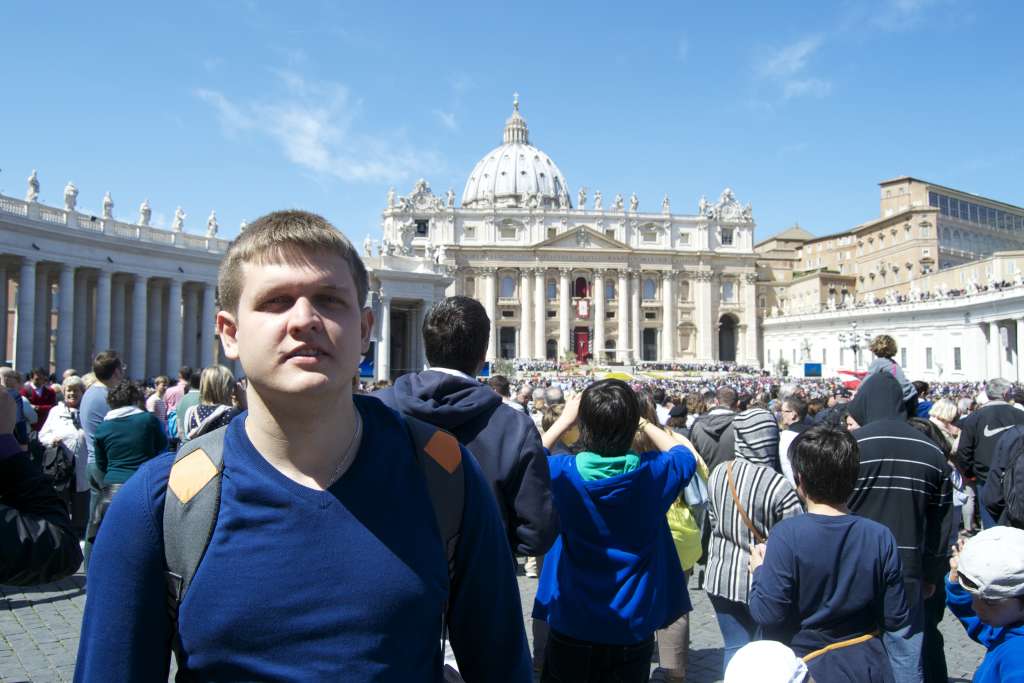
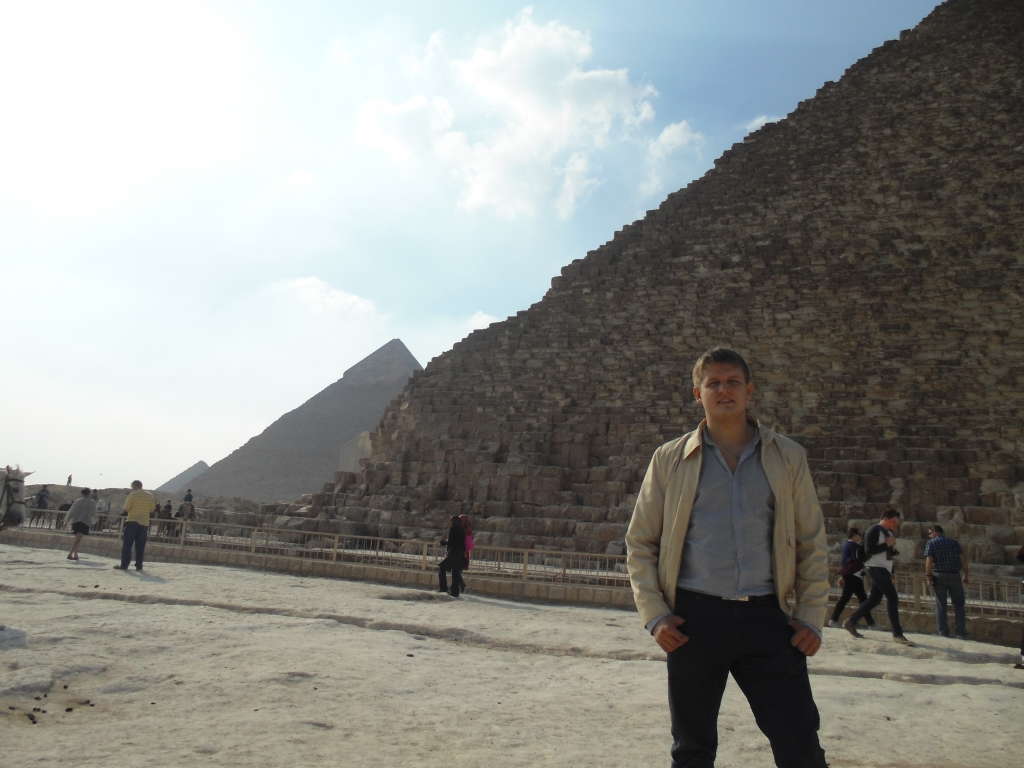
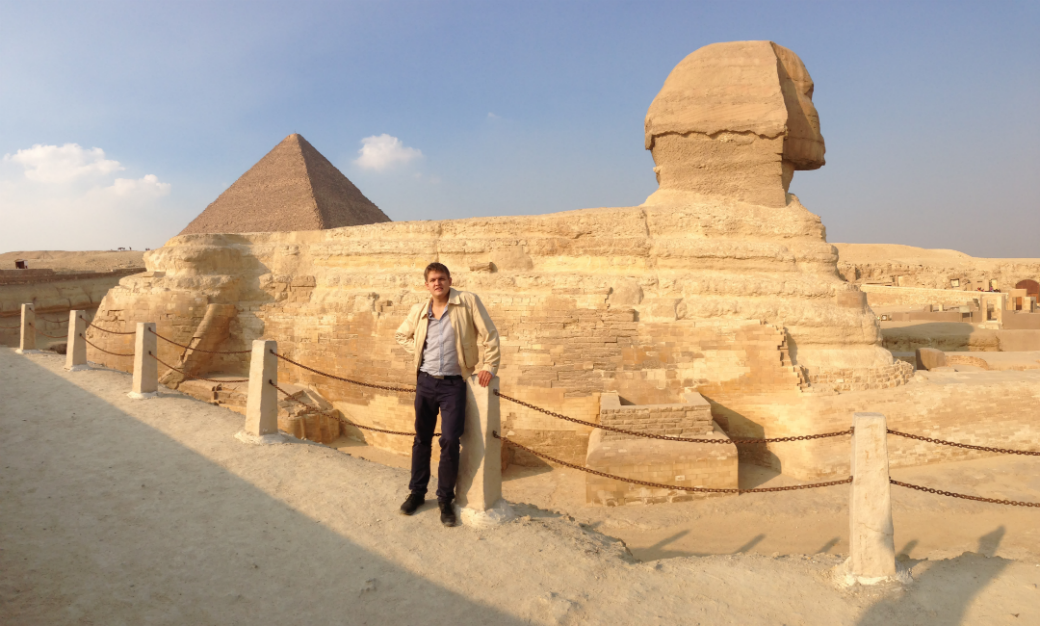
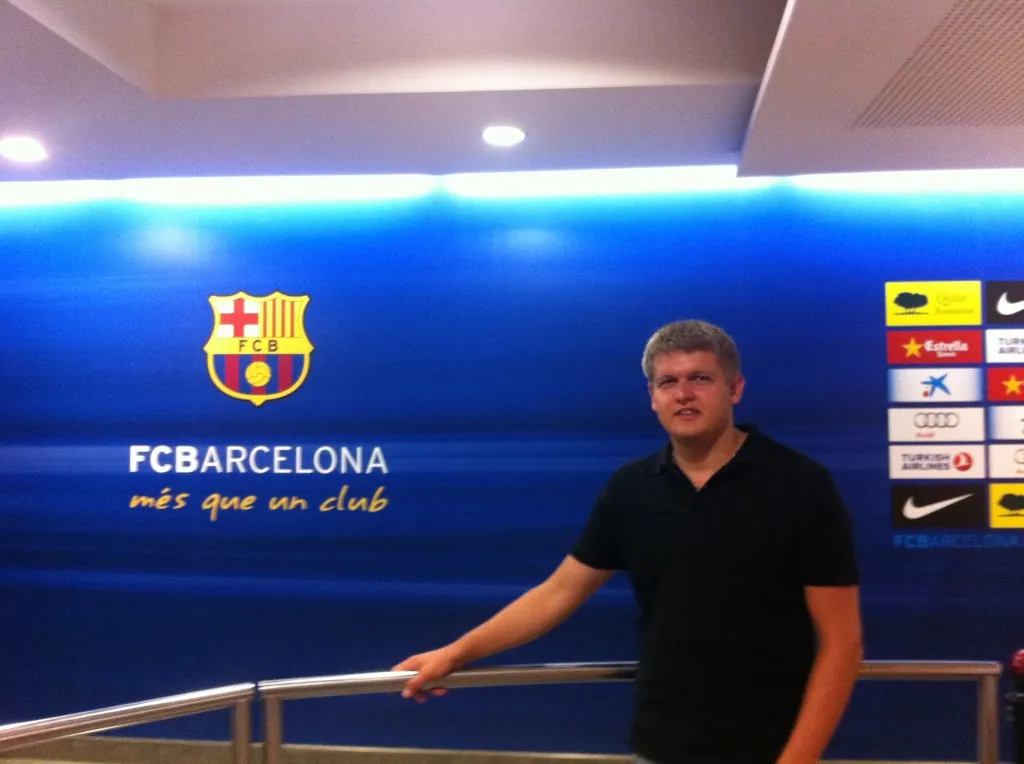
Events like that really can knock you off your feet. Looking back at myself in those days, yes, it seems to have been genuine clinical depression. A year later, a psychologist described my condition as comparable to a broken spine. You grow your business, put all your brains, knowledge, heart and soul into it, and then lose practically everything through gross injustice, deception and betrayal by people “close” to you. But back then I did not know any psychologists, so, to stay on my feet—I had no intention of going down for the count—I chose a “quintessentially English” way to recover: travel. And travel with my belo… Actually, never mind. A private life is private for a reason.
Подорожувати мені надзвичайно сподобалося, і дай боже, щоб така можливість була й надалі. Ба більше, це справді допомогло. Встиг першим серед усіх моїх знайомих здійснити навколосвітню подорож. Світ, як і раніше, виявився великим і цікавим, попереду, як і раніше, були цілі галактики ненудної роботи, а в голові було вже не тільки «до біса все», а й якісь ідеї щодо продовження цієї фрази…
I enjoyed travelling enormously, and God willing I will be able to keep doing it. More than that, it really helped. I became the first among all my friends and acquaintances to travel around the world. The world was still vast and interesting, there were still whole galaxies of absorbing work ahead, and my head now held not only “screw it all” but also a few ideas about how to finish that sentence…


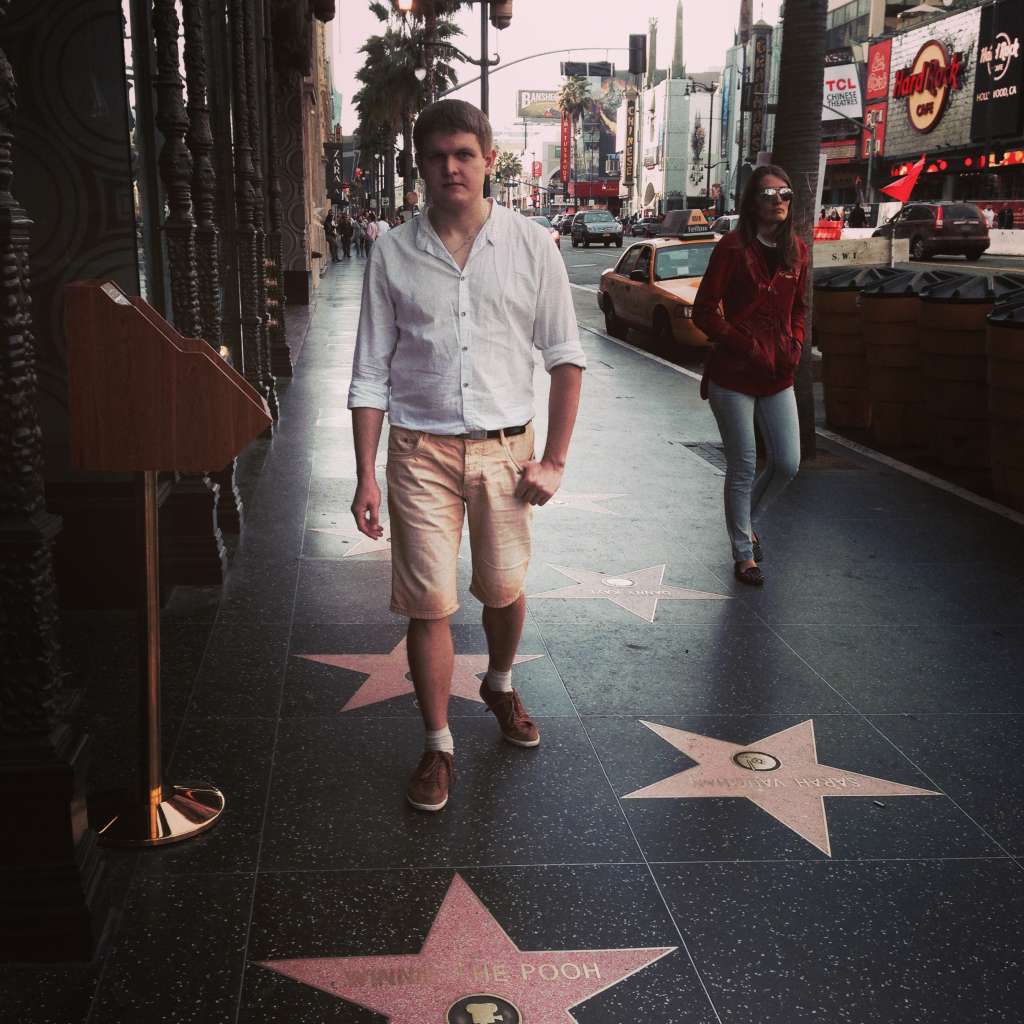
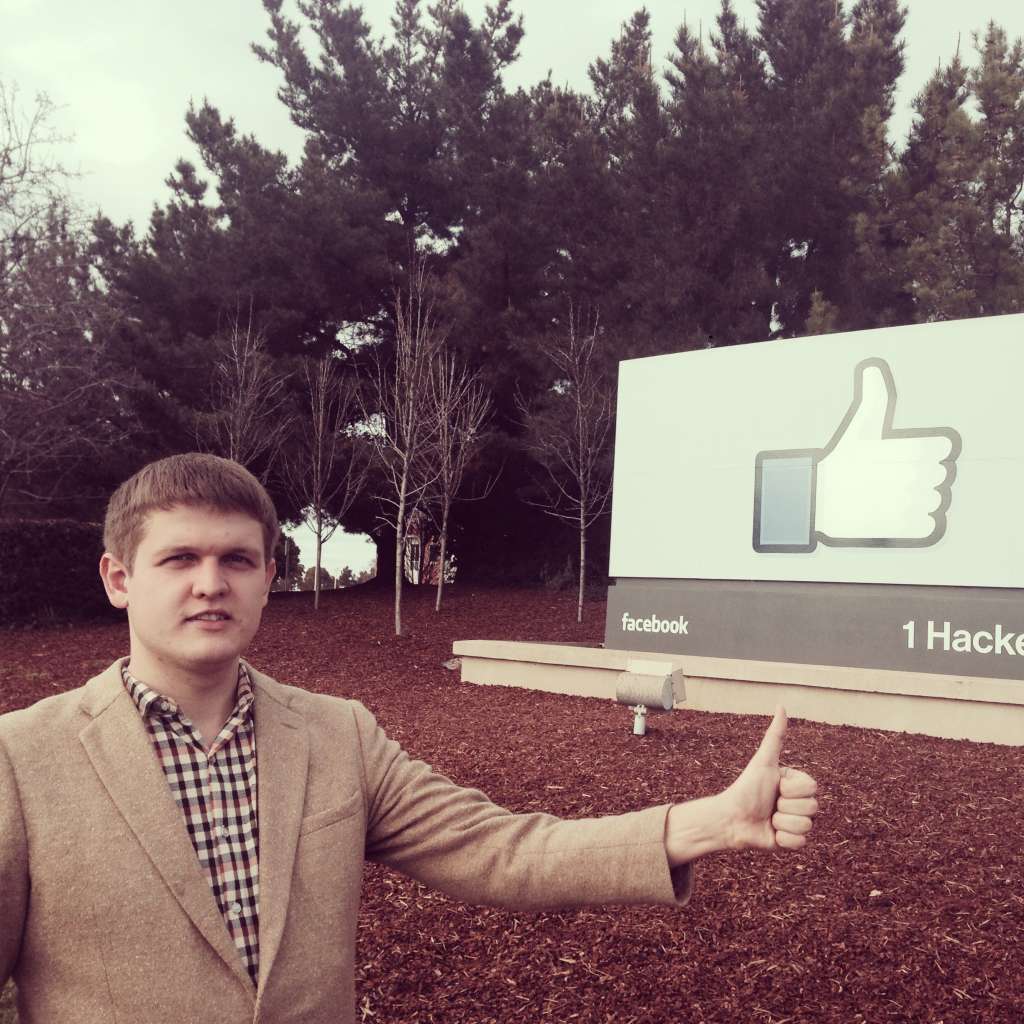






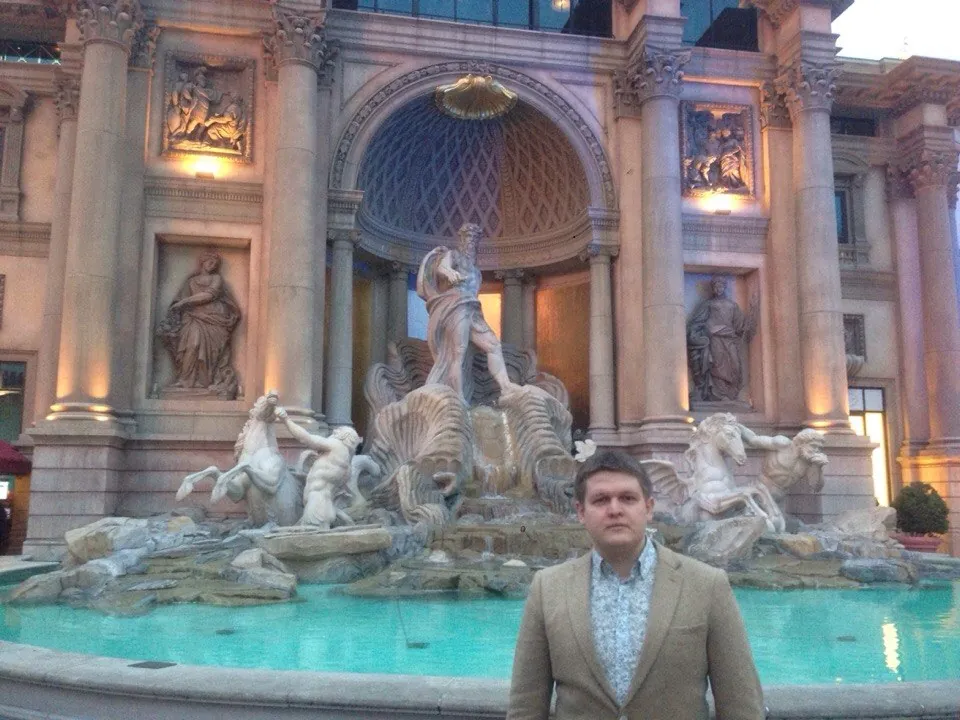











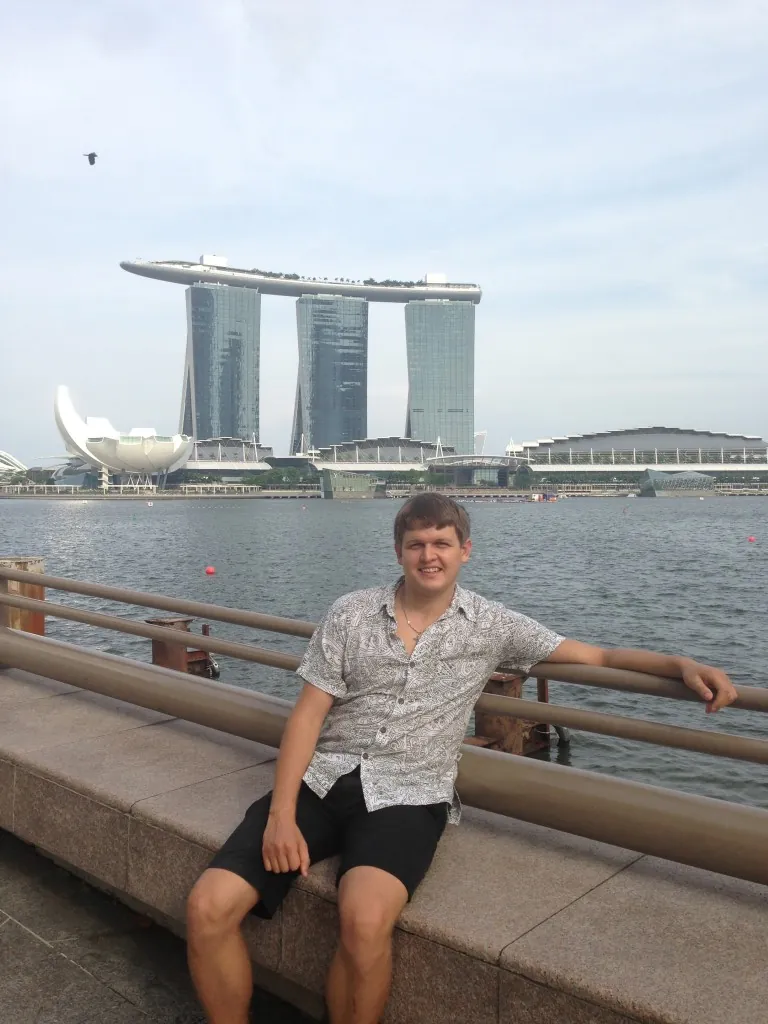

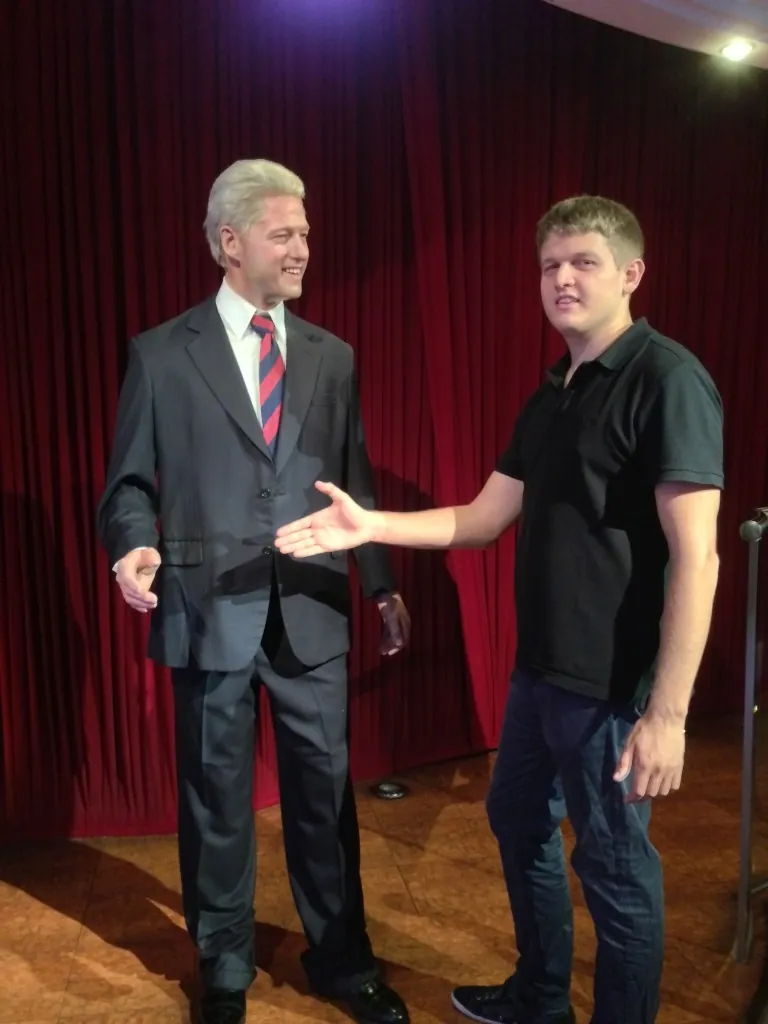
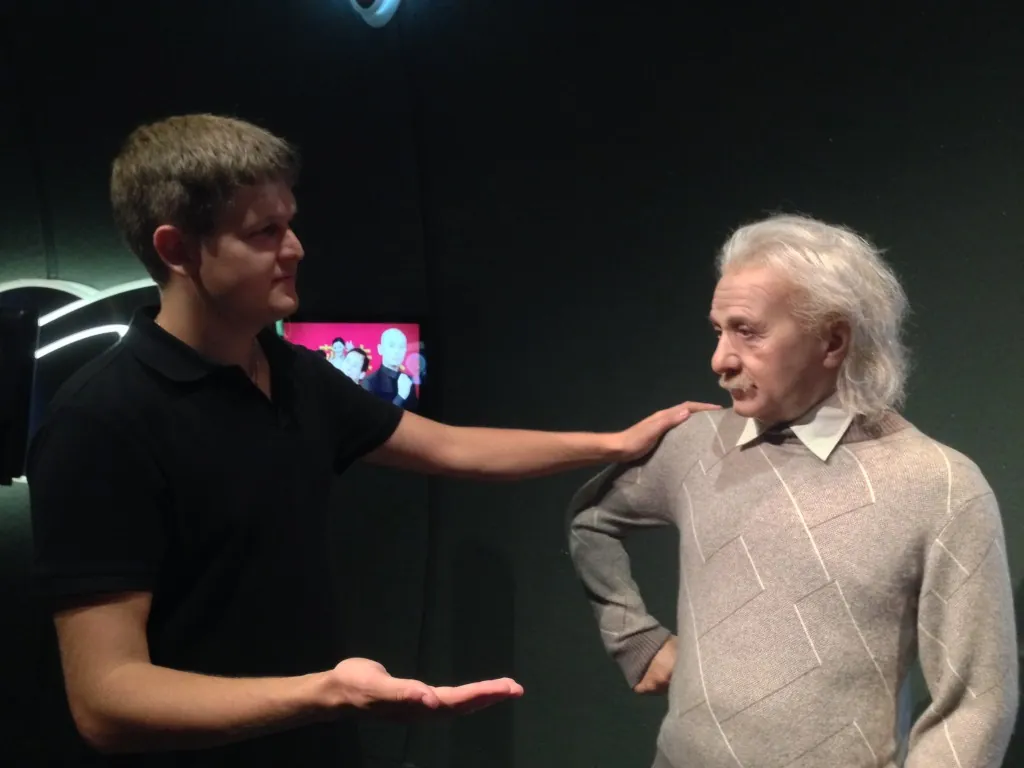



Словом, повернувся я тим самим мрійником; проте, коли мене так називають, я особливо не сперечаюся, просто додаю: «Від інших мрійників я відрізняюся тим, що мені вдається втілювати…».
In short, I came back the same dreamer. When people call me that, I do not particularly argue. I simply add: “What makes me different from other dreamers is that I manage to make things happen…”
Озирнувшись, так би мовити, на згарищі, я виявив таке. Те, що приносило або й далі приносить дохід, мені не подобається, а якщо вже зовсім бути із собою чесним, то й раніше особливо не подобалося; справа, яка могла б мені сподобатися й захопити по-справжньому — я її уявляю і знаю, але тільки на прикладах, а сам поки що не дуже вмію.
Looking around the ashes, so to speak, I discovered the following. I do not like the things that brought in money, or continue to bring it in; if I am completely honest with myself, I never particularly liked them. As for work that I might enjoy and find genuinely absorbing, I can picture it and know what it is—but only from other people’s examples. I am not very good at it myself yet.
А стогонів на кшталт «раніше треба було…» чи «ну чому я одразу не…» — такого я взагалі не розумію. Усьому свій час, до всього треба дорости.
And wailing along the lines of “I should have done it sooner…” or “Why did I not just…”—I do not understand that at all. Everything has its time; you have to grow into things.
Займатимуся нарешті тим, чим давно вже збирався.
At last, I will do what I have been meaning to do for a long time.
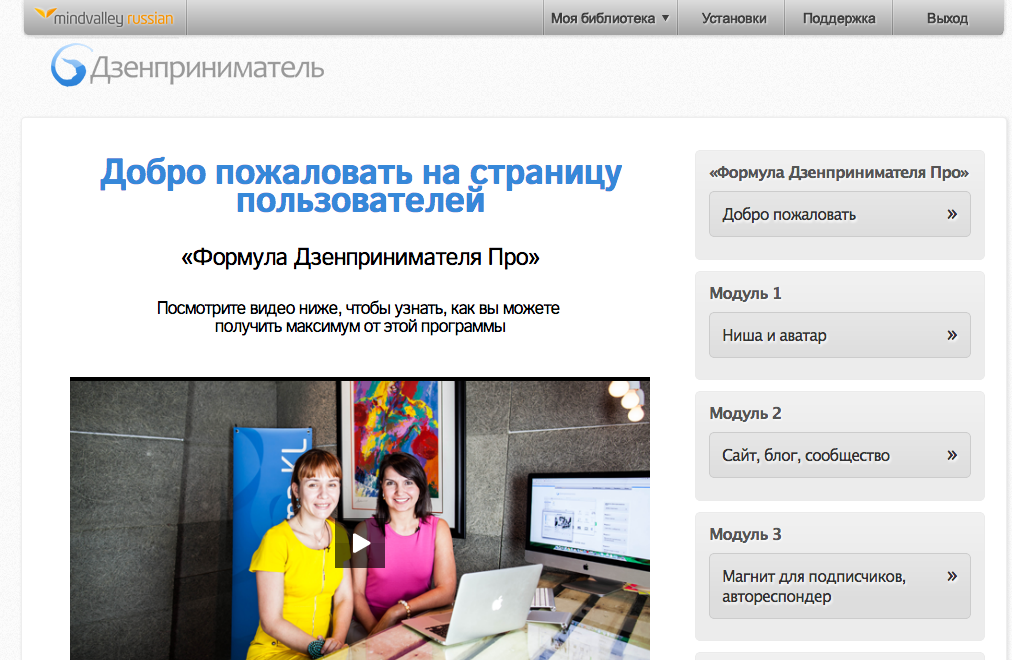
Власне, чому «займатимуся» — уже займаюся. Три інтернет-проєкти. Одразу три, і все це вже або на старті, або працює. Це класно, це дуже здорово, за цим майбутнє, бо ефективно, дуже зручно й приносить реальну користь юзерам. Останнє для мене, ідеаліста й мрійника, як і раніше, важливе. Але ж усе найкраще в інтернеті зробили захоплені хлопчаки-мрійники, хіба ні?
Actually, why “will”? I am already doing it. Three internet projects. Three at once, all either launching or already running. It is brilliant, it is wonderful, and it is the future, because it is effective, very convenient and genuinely useful to users. That last point still matters to me, idealist and dreamer that I am. But all the best things on the internet were made by enthusiastic boys with dreams, were they not?


Щоб заробити (не виграти, не вкрасти, не вициганити)… словом, щоб заробити dream-life, знадобиться dream-team. Мені потрібні найкращі, потрібні профі — і майже всі, хто потрібен, уже поруч зі мною. Я буквально чую, як мовчки й трохи нетерпляче барабанять їхні пальці по столу. Такі люди теж не вміють нудьгувати, вони теж створені для того, щоб працювати.
To earn—not win, not steal, not wheedle your way into… In short, to earn a dream-life, you need a dream-team. I need the best, I need professionals—and almost everyone I need is already beside me. I can practically hear their fingers drumming silently and a little impatiently on the table. People like that do not know how to be bored either. They too are made to work.
Є мета, потрібні знання; а спеціальних знань у мене на той момент було малувато. Що ж, учитися не вперше, і якщо вже вчитися, то в найкращих. У цій сфері найкращі — американці… поки що. «Ну, значить, нехай вони й навчають», — подумав я, розвернувся й полетів до Сан-Дієго, на семінар-конференцію інтернет-маркетологів.
There is a goal; knowledge is needed. And at that point I was rather short on specialist knowledge. Well, learning was nothing new, and if you are going to learn, learn from the very best. In this field, the best are the Americans… for now. “Well then, let them teach me,” I thought, turned around and flew to San Diego for an internet-marketing seminar and conference.



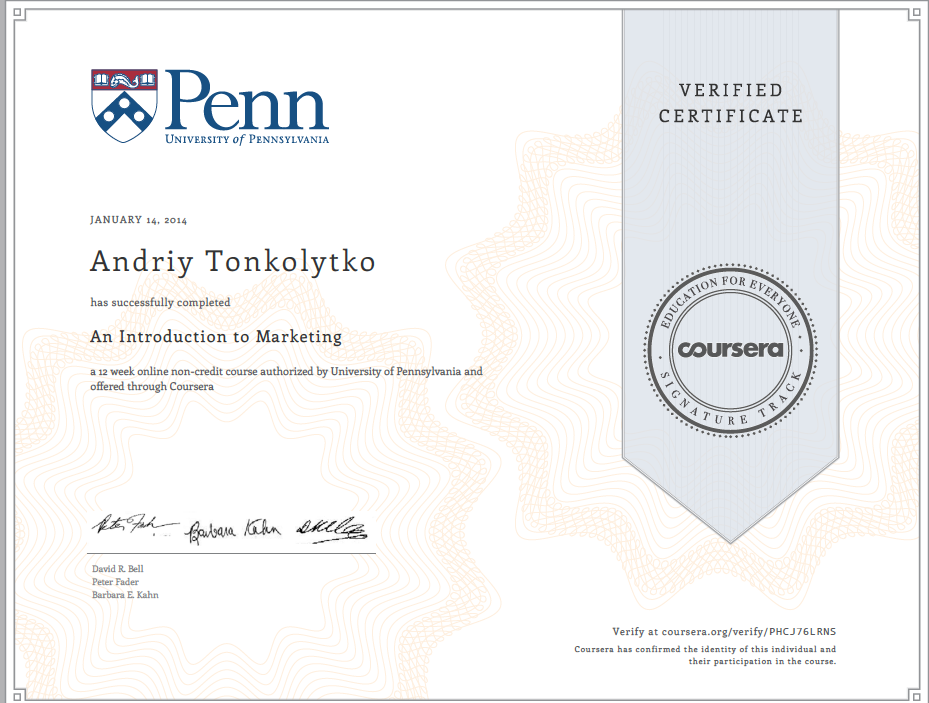
Пройшов курс в Університеті Пенсильванії, у Вортон Скул… так-так, у тій самій Wharton School, яка в рейтингах іде одразу за Гарвардом і Стенфордом.
I took a course at the University of Pennsylvania, at Wharton… yes, that very Wharton School, the one that comes just behind Harvard and Stanford in the rankings.

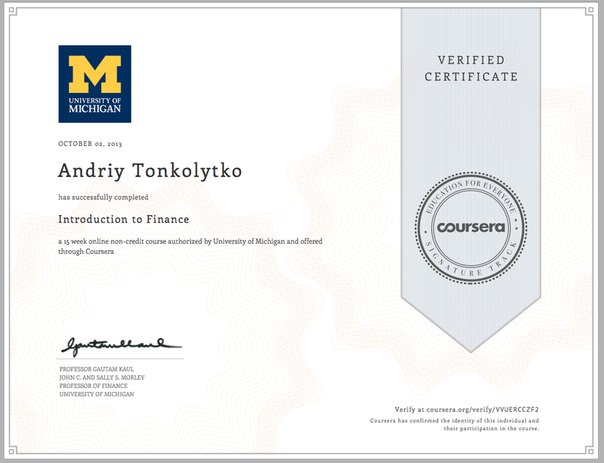
Оскільки інвестиційна діяльність усе ще є для мене дуже цікавою, я вирішив пройти курс із фінансів від університету штату Мічиган. Ба більше, закінчив цей курс із відзнакою і став набагато досвідченішим у сфері фінансів та інвестицій.
Since investing still interested me greatly, I decided to take a finance course at the University of Michigan. Not only did I finish it with distinction, I became a good deal more knowledgeable about finance and investment.
Воно того було варте. Це ВЖЕ окупається. Зараз закінчую курс Стенфордського Університету зі створення стартапів із погляду проджект-менеджера.
It was worth it. It is ALREADY paying off. I am now finishing a Stanford University course on creating start-ups from a project manager’s perspective.
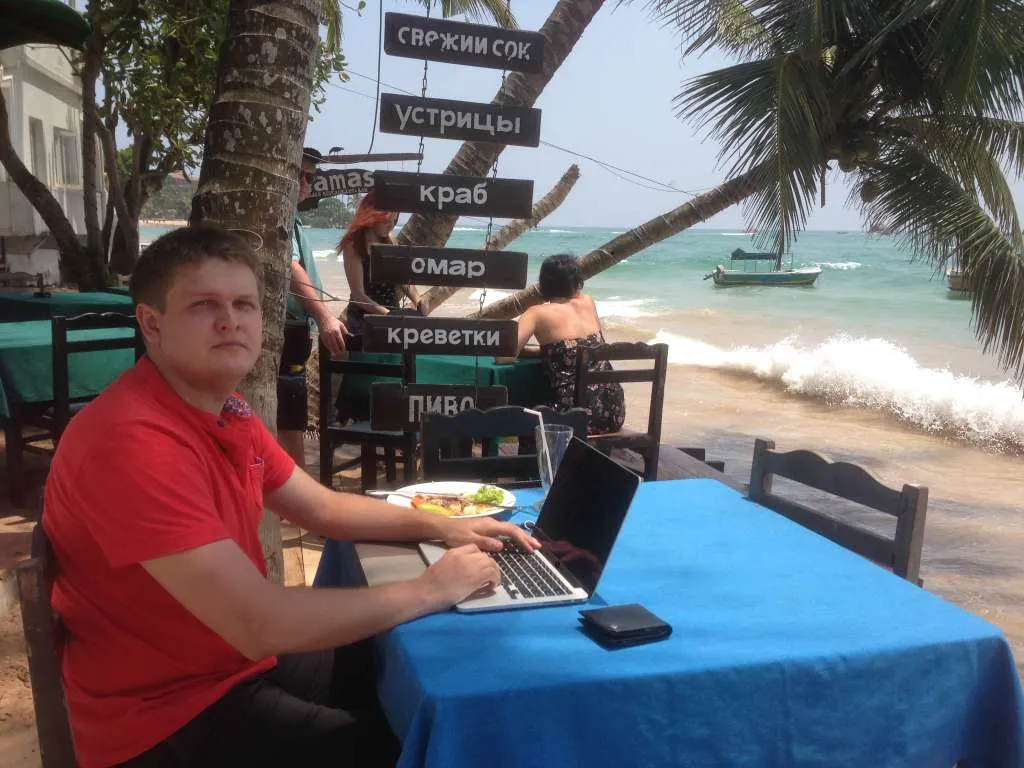
Чим особливо гарний інтернет-бізнес — де б ти не був, ти всюди вдома й усюди на роботі. Це одна з головних причин того, що для себе я обрав саме такий рід діяльності й такий спосіб життя: це дає змогу подорожувати, бути «людиною світу» й пристойно заробляти.
What is especially good about internet business is that, wherever you are, you are both at home and at work. That is one of the main reasons I chose this particular line of work and way of life: it lets me travel, be a “citizen of the world” and earn a decent living.

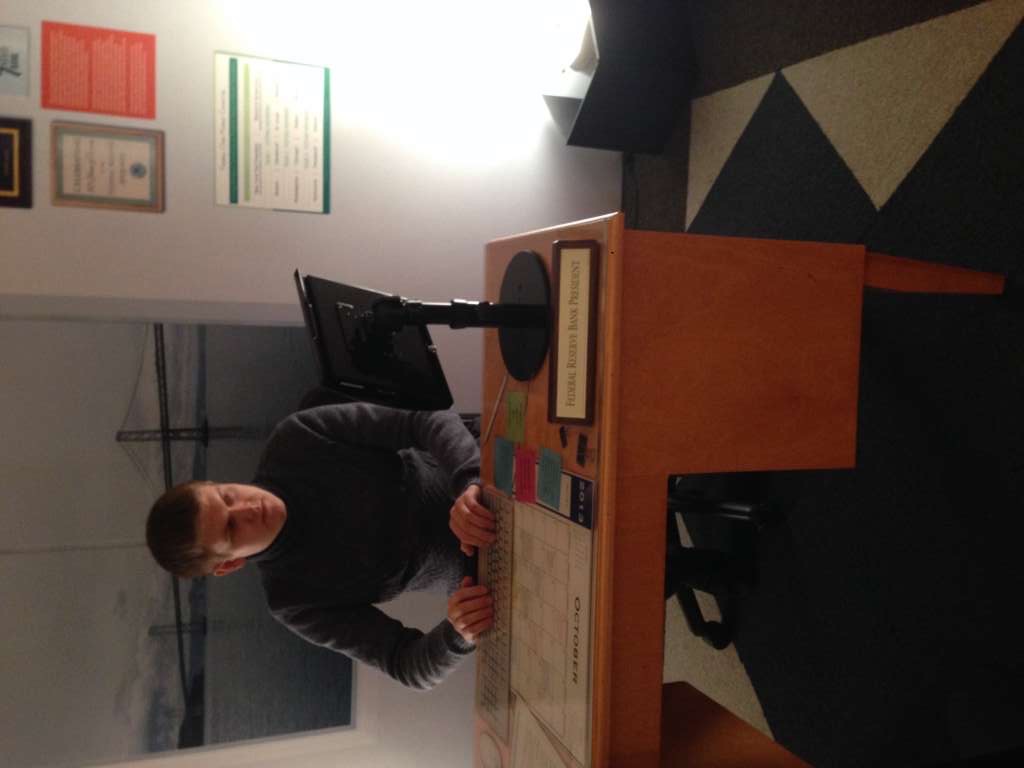
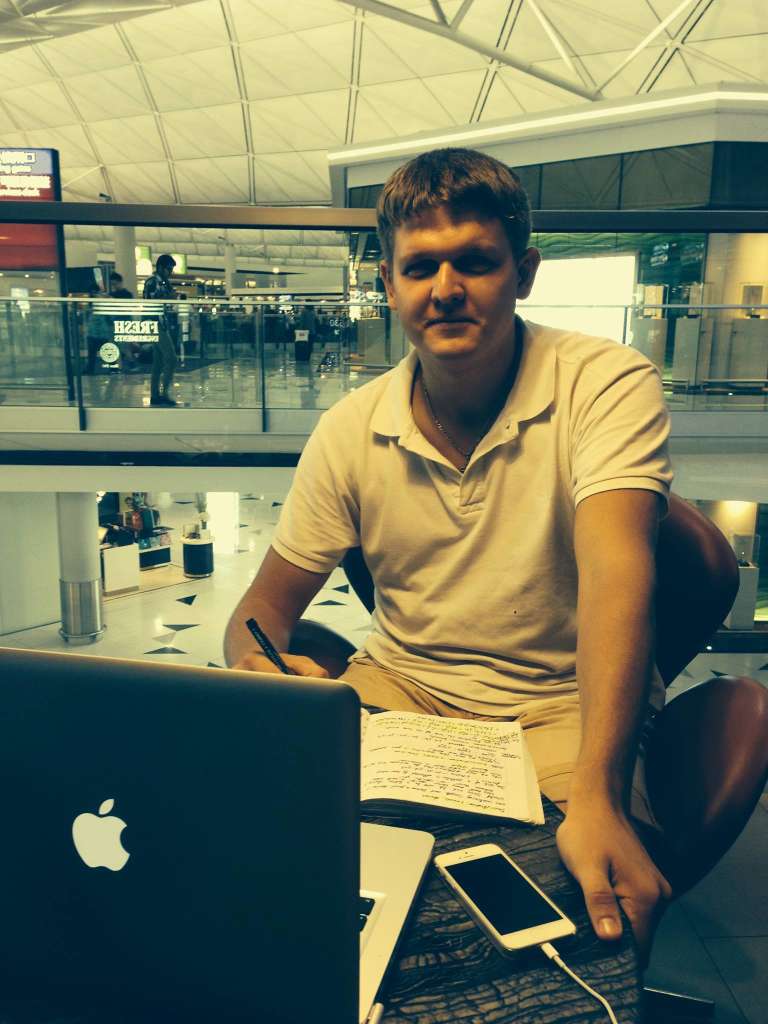
Мені це дуже подобається. Я знаю, чого хочу і який вигляд матиме мій венчурний інвестиційний фонд в інтернет-просторі на планеті Земля. Я це зроблю!
I like it very much. I know what I want and what my venture investment fund will look like in the internet space on planet Earth. I will make it happen!
В англійській мові є дуже гарний вислів, у буквальному розумінні слова, крилатий: self-made man, тобто «людина, яка зробила себе сама».
There is a very fine expression in English, a phrase that has quite literally taken flight: self-made man—a man who has made himself.
Берися — і роби!
Get on with it—and do it!
Озвучення · новий голос — українською · повна біографія · акустична синхронізація абзаців
Перевіряємо запис…
Точний текст озвучення